

Major Show Features Rare Display Cases and Paintings
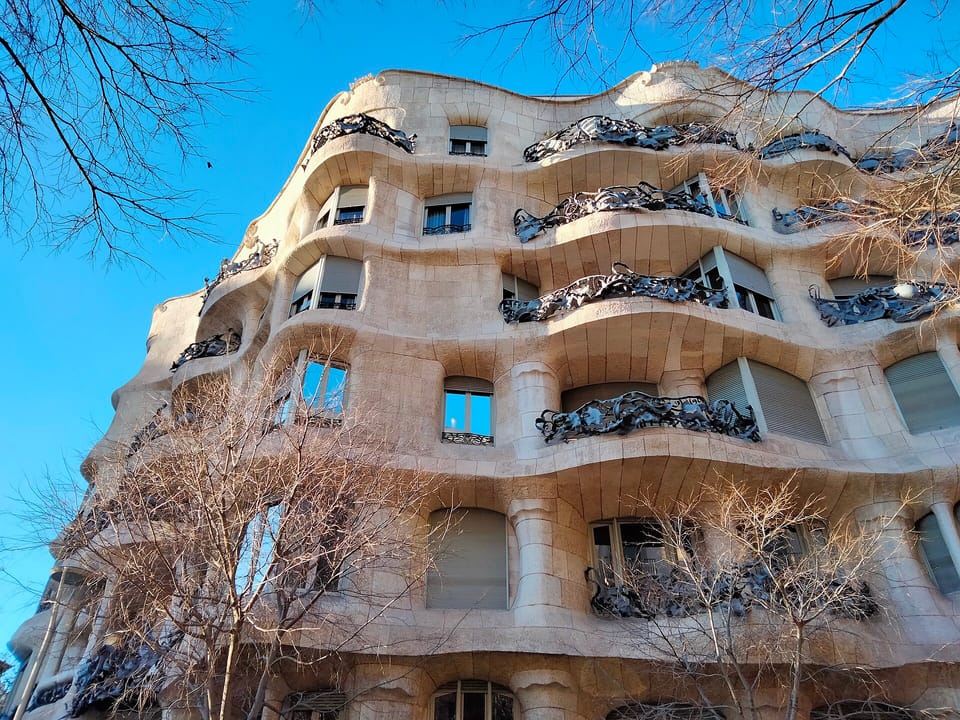
Anselm Kiefer’s first major monographic exhibition in Barcelona, titled The Secret Life of Plants. Anselm Kiefer in the Grothe Collection, opens today at the Catalunya La Pedrera Foundation. The show runs until 24 January 2027 and features around 70 works, including 40 from the collection of German businessman Hans Grothe. It marks one of the first times that Kiefer’s cycle of 23 monumental display cases and six photographs, Opus Magnum, enters into dialogue with his large-scale paintings. Curator Walter Smerling describes the glass cases as "poetic spaces" and "memory archives", contrasting analog depth with today’s digital knowledge systems.
Kiefer’s Art as a Lifeline
For Kiefer, born in March 1945 in a bombed hospital in Donaueschingen, art is essential. As stated in a wall text at the exhibition’s end: "I only have faith in art, without it I am lost." This sentiment frames the show, which explores trauma, myth, alchemy, Jewish mysticism and philosophy. Smerling notes that Kiefer sees art as the only force capable of looking simultaneously toward the past and future. The artist has long confronted the legacy of Nazism, seeking to understand what lies beneath its surface and how creativity can exist in its aftermath.
Symbols and Sources in the Work
The exhibition includes the titular series of paintings dedicated to 17th-century English physician Robert Fludd, who viewed the world as an interconnected system linking plants, stars and human consciousness. Sunflowers symbolise heaven-earth connections; straw evokes historical fragility; ash refers to both alchemical transformation and the Holocaust. Snakes represent danger and regeneration. The works draw from Wagner, the Old Testament, Heidegger, Hölderlin, Goethe, Celan and Bachmann. Kiefer intentionally leaves interpretation open: visitors are expected to contribute 40% of the understanding through personal recognition.
Visitor Information and Parallel Events
The exhibition will be accompanied by a visit to the Kiefer pavilion at the Plana del Corb gravel pit, part of the Sorigué Collection, displaying three monumental paintings. Meanwhile, the Hortensia Herrero Museum in Valencia recently opened a separate Kiefer exhibition featuring works like the 13-metre-wide Danaë. Hans Grothe, whose father was a miner, built one of the world’s most significant collections of post-war German art. In 2004, he sold his entire collection except for Kiefer’s works, which he described as a "piece of homeland". His relationship with the artist was one of quiet mutual respect, with Kiefer viewing Grothe as almost a collaborator. Visitors can learn more about the exhibition via the Thaddaeus Ropac gallery's official page, which represents the artist and co-organised the presentation.
Reported by ara.cat, en.ara.cat, elmundo.es, elperiodico.com, ropac.net, Artdaily, Ara Cat.




.jpg)