Security, Housing and Tourism Top Concerns
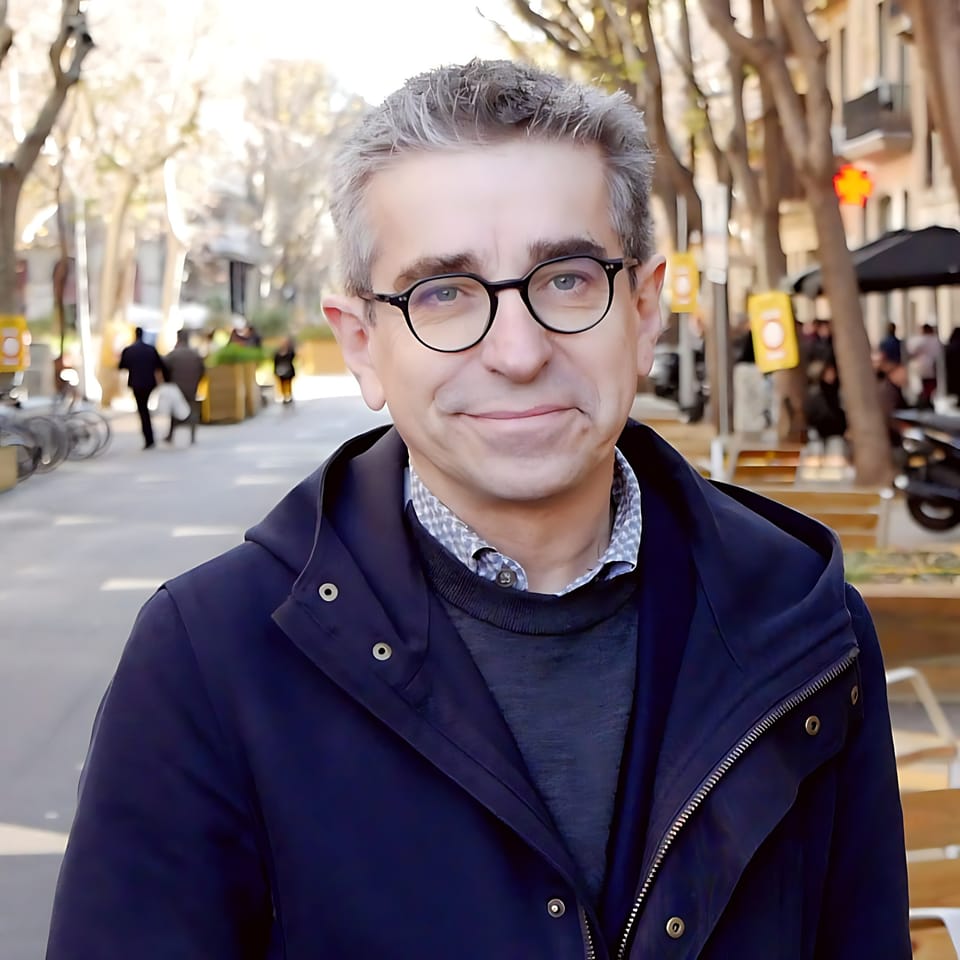
In a wide-ranging interview published Monday 12 October 2026, Junts candidate Jordi Martí identified public security as the foremost concern for Barcelona residents, followed by housing and tourism. According to the latest Municipal Services Survey, insecurity remains the top issue for citizens, with Martí blaming the Colau-Collboni administrations for mismanagement and a lack of visible policing.
"Security and prevention are social policy; there is no freedom without security," Martí said. He proposed taking direct political control of the Guardia Urbana, increasing foot patrols by uniformed officers, and enforcing city ordinances consistently. He cited areas like Sant Antoni as examples where drug use, homelessness and mental health crises go unaddressed, contributing to public disorder.
Housing Policy and the 30% Social Reserve
Housing ranked second in citizen concerns, with Martí acknowledging Junts held a decisive role in stalling the reform of the 30% social housing reserve in new developments. The policy, intended to ensure affordable units, has yielded only 34 homes in eight years. While Junts supported making the rule more flexible, Martí claimed Mayor Jaume Collboni was not interested in reaching an agreement.
He also criticised the national government's recent 'Maricarmen decree' on rental protections, arguing it would discourage small landlords from renting out properties, ultimately reducing supply and driving up prices. "Pedro Sánchez has been President for eight years," Martí said. "They should take more responsibility."
"Buying buildings because of protests is populist and unfair to those waiting through official channels."
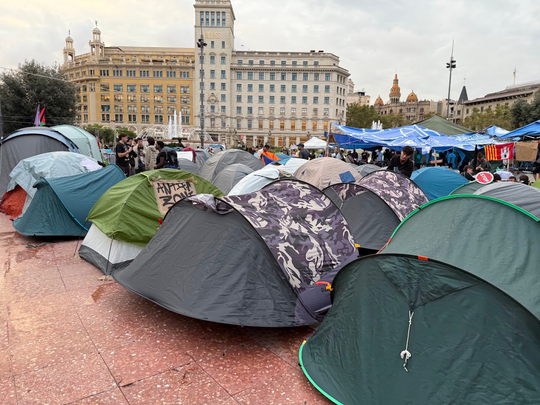
Martí opposed the city’s recent move to purchase occupied properties to prevent evictions, calling it "regrettable, populist, and unprecedented." He argued it undermines the formal social housing waiting list and sets a precedent of rewarding protest over procedure.
Tourism: Manage, Not Ban
On tourism, Martí rejected both restriction and expansion. He confirmed that, if elected, he would maintain the current 10,000 licensed tourist apartments but not issue any new ones. These licences, frozen since 2014 under the Special Urban-Development Plan for Regulating Tourist-Use Accommodation, represent just 1% of the city's housing stock.
"The prohibition of tourist apartments is a trap by Mr. Collboni to disguise his failure in housing," Martí said. He stressed the need for diverse accommodation to support major events like the Mobile World Congress and trade fairs, warning that losing such events would be a direct consequence of poor city management.
While acknowledging public frustration, 75% of respondents in a recent municipal barometer supported withdrawing tourist flat licences, Martí argued that sentiment stems from overcrowding, not the licences themselves. He advocated for better management through Turisme de Barcelona, a public-private consortium, to achieve similar economic benefits with fewer visitors.
Budget and Cleaning Plans
Martí also criticised the Pla Endreça, the city's cleanliness initiative, for spending heavily on marketing while failing to improve overall street conditions. The 2026 municipal budget allocates €39.5 million to the plan, part of a broader €200 million investment by 2026. Martí called for stricter enforcement against littering and more accountability from cleaning concessionaires like Barcelona de Serveis Municipals (BSM), which is set to receive €41.2 million in municipal investment in 2026.
Primary sources: ajuntament.barcelona.cat. Reported by El Periódico Barcelona.