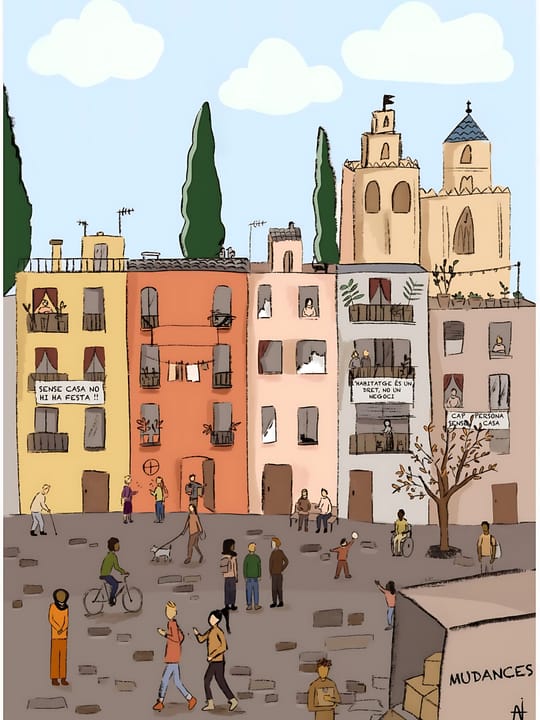
Barcelona City Council and the Generalitat de Catalunya have reached a preliminary agreement to purchase the building at Llenguadoc 74 in the Sant Andreu district, halting a planned eviction of 32 residents including six minors. The move follows a protest of around 300 people outside the property on Wednesday, 7 October 2026, and marks the first use of the newly established Housing Emergency Fund.
The acquisition, financed through the €25 million Housing Emergency Fund announced by Catalan President Salvador Illa on 29 September 2026, will allow the current occupants to remain in the property. According to the Generalitat, the fund is intended as a last resort to prevent evictions of vulnerable individuals and families. The purchase agreement was confirmed late on 7 October, prompting the suspension of the judicial eviction order and the withdrawal of police forces from the site.
The building, a block of 20 homes, has been occupied since 2017. Eighteen of the flats are currently inhabited. A previous eviction was carried out in 2021, but the properties were reoccupied shortly after. None of the current occupants hold rental contracts or formal vulnerability reports recognised by the High Court of Justice of Catalonia (TSJC), though the City Council states that several families are under monitoring by social services.
Under the terms of the new scheme, the property will be incorporated into the public housing stock to meet the residential needs of vulnerable individuals and cohabiting units at risk of eviction. The exact purchase price has not been disclosed by either administration.
Political and Public Backlash
The decision has drawn criticism from local residents and political groups. Some neighbours in the quiet pedestrian street expressed concerns about noise and transient activity, with one shopkeeper comparing the comings and goings to an informal Airbnb operation.
"I pay over fifteen hundred euros in rent a month and I work a lot," said a local business owner. "Three or four hundred people have come out; we'll buy it for you and you can keep living there."
"Someday we'll all do it this way."
Others questioned the fairness of using public funds for this case. "It's a disgrace, they did it under media pressure. Why them and not the rest?" said one resident who declined to be named. The Comuns party also raised concerns, pointing out that 2,500 families remain on the housing emergency waiting list, arguing that the allocation of funds amounts to only €10,000 per family.
Precedent and Broader Housing Measures
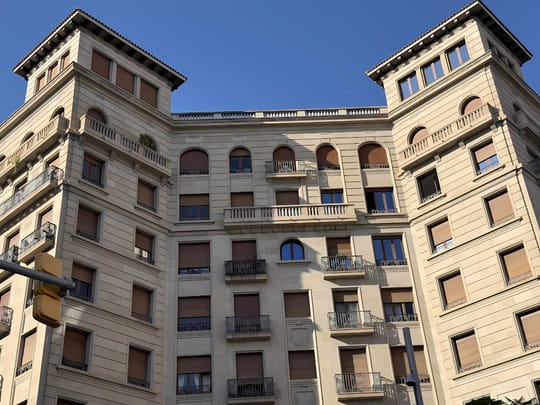
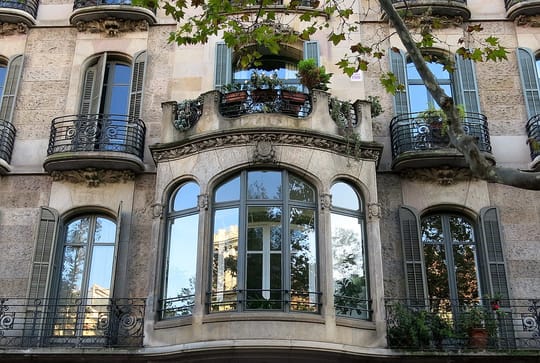
The Llenguadoc 74 purchase follows the 2025 acquisition of Casa Orsola in Eixample, which cost the City Council €9.2 million and was similarly controversial due to the high property value in the area. That building has since been repurposed for affordable housing, as confirmed on the Ajuntament's official website.
President Illa's broader housing strategy, unveiled during the General Policy Debate in Parliament on 29 September, includes a €100 million shared ownership programme for Catalans aged around 40 with stable incomes but difficulty securing mortgages. Under this model, the Generalitat would co-own 50% of the property for 40 to 50 years, after which the resident must either buy the remaining share or return the property to the social housing pool.
The Housing Emergency Fund, created by Generalitat resolution on 28 September 2026, is expandable beyond its initial €25 million and invites contributions from other local administrations. It forms part of a wider response to rising housing pressures, with 1,373 evictions recorded in Barcelona in 2025 alone and an estimated 140,000-unit housing deficit across Catalonia since 2021.
Primary sources: ajuntament.barcelona.cat. Reported by abc.es, en.ara.cat, 20minutos.es, catalannews.com, Marta Puig i Vidal, Aldia, rtve.es, laciutat.cat, ABC Cataluña.