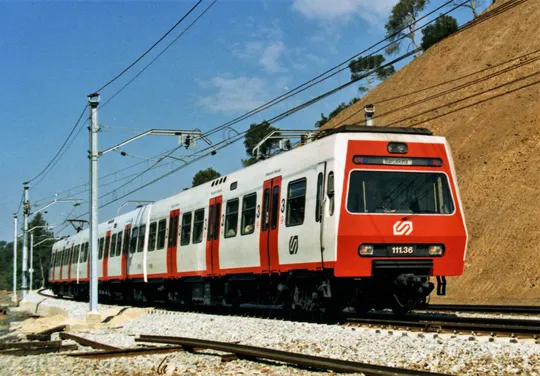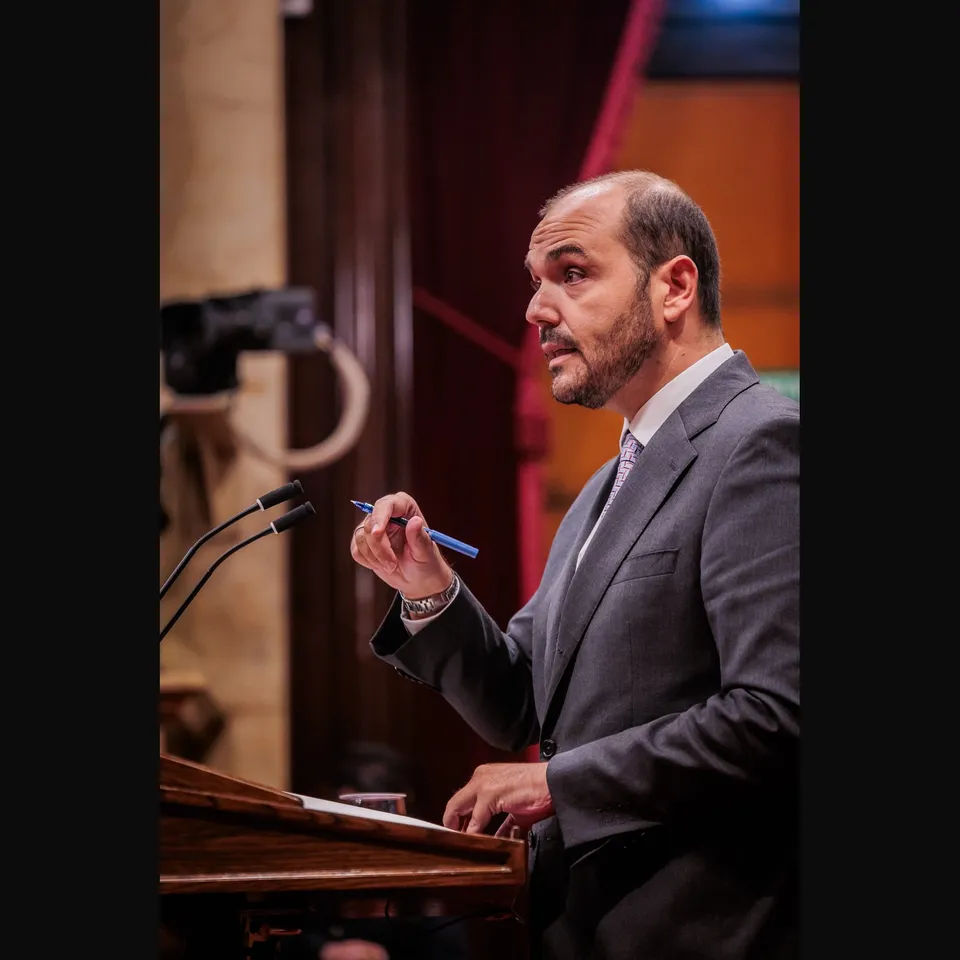
Catalan presidency minister Albert Dalmau has accused a group of train drivers of a boycott on Rodalies, Catalonia’s commuter rail network, after several days of severe disruption. He said the service began Thursday 19th November with 95% of its usual train provision, although some trains were cancelled.
For commuters, the disruption has meant fewer trains and a greater reliance on alternative transport. Dalmau said bus capacity had been doubled on some corridors, without naming the routes.
Speaking to SER Catalunya’s Aquí Catalunya programme, Dalmau said his accusation did not apply to all drivers. He described the previous days on the network as “regrettable” and said the service was stabilising.
The Generalitat, Catalonia’s government, has opened an information-gathering file concerning Renfe, Spain’s state-owned rail operator. Dalmau said the government would take a firm approach to failures to provide the minimum services required during strike action.
Minister draws a distinction over strike rights
Dalmau said workers were entitled to strike but argued that required minimum services had to be maintained. Those are the services set to continue during industrial action.
“People have the right to strike, but what they do not have the right to do is to skip minimum services and boycott the system, because those who pay the consequences are the citizens.”
The minister said Renfe had a few days to hold discussions with its workforce before opening disciplinary cases concerning employees who may have failed to comply with minimum-service requirements. He also called on the operator to take a firmer approach in its dealings with workers.
Asked whether the disruption had a political motive during an electoral period, Dalmau said he did not know why the situations were concentrated at that time. He said he did not want to add fuel to the fire.
Rodalies recommended that passengers plan their journeys and consider alternative transport during the drivers’ strike on Tuesday 17th November, according to SER Catalunya. Dalmau’s account of Thursday’s service concerned how the network began the day, rather than a guarantee that every scheduled train would run.
Renfe’s service agreement runs until 2028
Dalmau said the network was already weakened by long and complex infrastructure works. He did not identify particular works or routes in his interview.
A separate Generalitat notice published on 27th October set out the agreement governing Renfe’s Rodalies and regional rail services in Catalonia until 31st December 2028. It provides for €1.4076 billion in compensation to the operator over 2026–2028.
The agreement also establishes a committee to monitor compliance and the service’s operational and financial performance. Territory minister Sílvia Paneque said the contract defined the operator’s commitments and the Generalitat’s powers to supervise the service.
Sources: CatalunyaPress, catalunyapress.cat, cadenaser.com.