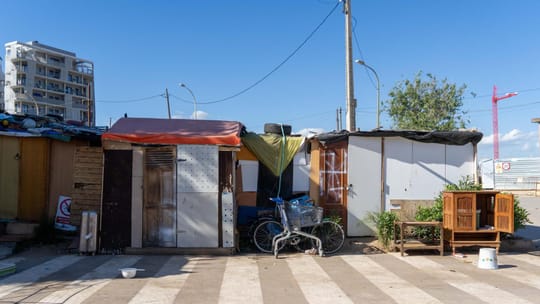
A new "Zero Street Plan" initiative aims to halve the number of people sleeping rough in Barcelona and potentially L'Hospitalet de Llobregat within just over a year. This ambitious goal seeks to significantly reduce homelessness across the metropolitan area.
The plan emphasises a collaborative approach. It requires municipal authorities, charity organisations, and the private sector to work together. Advocates for the initiative stated, "It is key to involve three sectors, the municipal, the charity and the private, and ensure they do not work in parallel, but jointly, with the common goal of eradicating homelessness in our home." This integrated strategy is critical for success.
A major challenge remains finding suitable housing. Many individuals are ready to transition from the streets. They possess stable incomes, employment, and even savings of up to 7,000 euros. However, they struggle to find landlords willing to rent them a flat. Advocates highlighted this issue, stating, "We have many people ready to move out, with income, with employment, even with savings of up to 7,000 euros, who cannot find someone to rent them a flat."
Addressing Barcelona's Homelessness Challenge
Homelessness remains a persistent social issue in Barcelona, affecting thousands of individuals. The city has various support services, but the demand for stable housing often outstrips availability. This new Zero Street Plan initiative represents a focused effort to tackle the problem head-on. It acknowledges the complex factors contributing to rough sleeping.
L'Hospitalet de Llobregat, Barcelona's immediate neighbour, also faces similar challenges. Extending the plan's scope there could create a more coordinated regional response. Both cities experience high housing costs and a competitive rental market. These factors make it particularly difficult for vulnerable individuals to secure accommodation.
The Role of Cross-Sector Collaboration
The proposed collaboration model is central to the Zero Street Plan. It moves beyond traditional siloed approaches. By bringing together city councils, non-governmental organisations, and private landlords, the initiative hopes to create a more effective support network. This includes identifying available properties and connecting them with suitable tenants. The private sector's involvement is particularly important for increasing housing options.
Achieving the goal of halving rough sleeping in just over a year presents a significant task. The success of the Zero Street Plan will depend on strong commitment from all involved sectors. It also requires new solutions to overcome rental market barriers. This initiative aims to provide a clear path towards greater housing stability for many residents.
Come and join our Barcelona English Speakers community on WhatsApp.
Originally published by Diari Catalunya. Read original article.