Tram Expansion Reshapes Diagonal Access
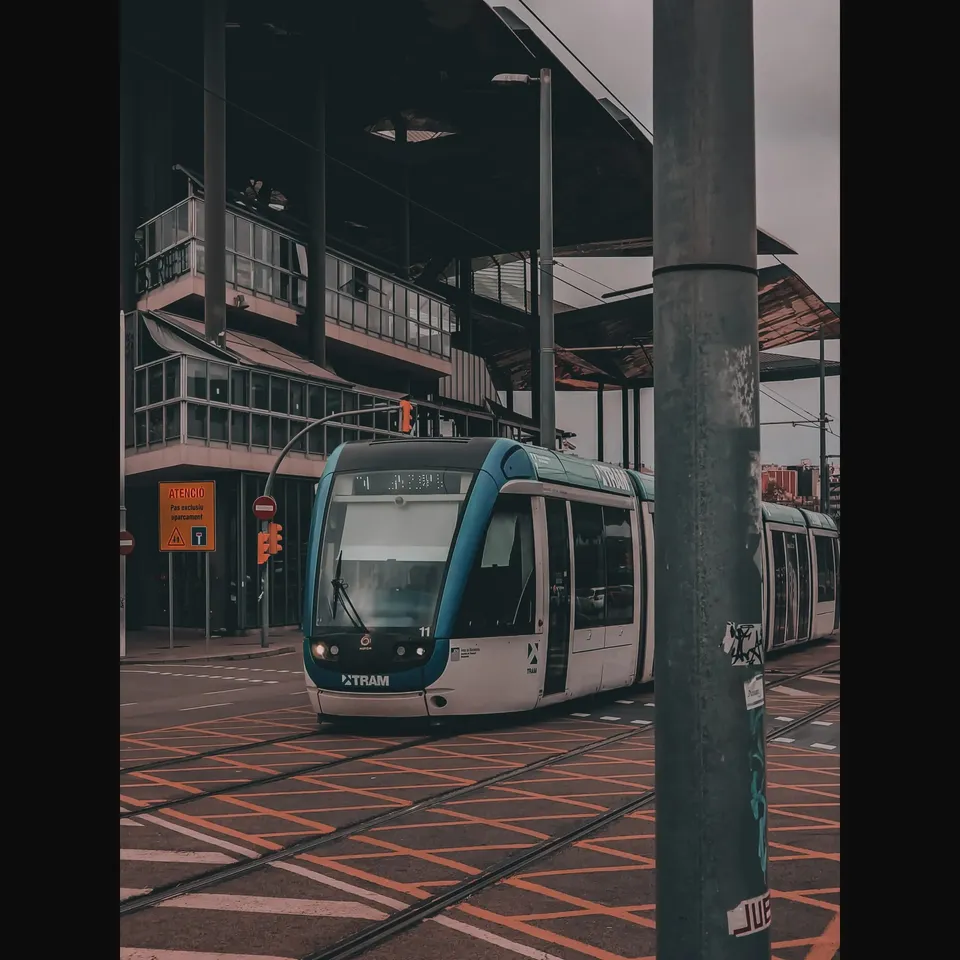
Starting in 2031, the Avinguda Diagonal entrance to Barcelona via the B-23 will lose a vehicle lane as part of the definitive connection of the city’s two tram branches. The change will divert incoming traffic to the side at Carrer de Doctor Marañón, freeing up space for two exclusive bus lanes. This move mirrors the 2023 introduction of a cycle lane on Via Augusta, which reduced car lanes for vehicles entering through the Vallvidrera tunnel. The upcoming adjustment aims to prioritise reliable public transport and reduce congestion caused by the growing metropolitan population.
Metropolitan Growth Pressures Infrastructure
The Metropolitan Area of Barcelona (AMB), which includes 36 municipalities, has grown from three million to nearly four million residents. Growth has been uneven: while Barcelona’s population has stagnated, surrounding areas like Sant Cugat del Vallès have seen significant increases. According to Idescat’s Population Estimates for S2/2024–S1/2025, Sant Cugat had 98,000 residents in 2025, up 54% since 2001. Sant Just Desvern has grown by 35% to 21,000 residents, while L’Hospitalet de Llobregat and Cornellà have increased by 6% and 7% respectively. These shifts place greater strain on transport networks designed decades ago.
Without an efficient and reliable public transport alternative, many metropolitan residents continue to rely on their cars daily.
Public Transport Lags Behind Population Rise
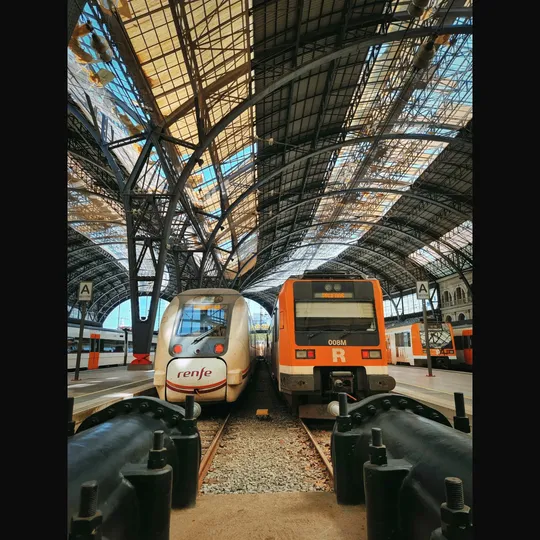
Despite population growth, the road network has remained largely unchanged since the 1990s. The Trinitat junction, critical for connecting the ring roads, C-58, C-33, B-20 and C-32, is at capacity, according to Trànsit authorities. Rodalies commuter rail operates on a network built for a population of six million, not the current eight million. Meanwhile, intercity bus services grow despite a lack of dedicated stations, with most operating on city streets. In contrast, internal mobility within Barcelona is increasingly sustainable: 55.2% of journeys are made on foot, 12.5% by private vehicle, 34.2% via collective transport and 3.8% by bicycle or scooter, according to the 2023 Weekday Mobility Survey (EMEF) conducted by the Institut Metròpoli for the ATM. However, when entering or leaving the city, car use jumps to 41.5%, while public transport leads with 52.5% of trips. On average, across all journeys, 19.9% use cars or motorcycles, 42.1% walk, 34.2% use public transport and 3.8% cycle or use scooters.
- 900,000 vehicle journeys occur daily between metropolitan areas and Barcelona
- Congestion peaks between 7:30 AM and 10:00 AM
- Evening traffic remains heavy from 5:00 PM to 8:00 PM
Future Mobility and Integration Challenges
Barcelona has added nearly 300 kilometres of cycling infrastructure and expanded sidewalks and bus lanes, but integration remains limited. The metropolitan AMBici bike-sharing system is incompatible with the city’s Bicing network, a situation not expected to change until 2029. The tram’s full connection by 2031 is part of a broader effort to realign infrastructure with current needs. Yet, without parallel improvements in regional rail and bus reliability, many commuters may continue to depend on private vehicles, a tension between urban pacification and metropolitan accessibility that defines today’s planning debates.
Sources: La Vanguardia, Generalitat de Catalunya, atm.cat, Àrea Metropolitana de Barcelona, idescat.cat.