Union Files Formal Complaint Over Rail Safety
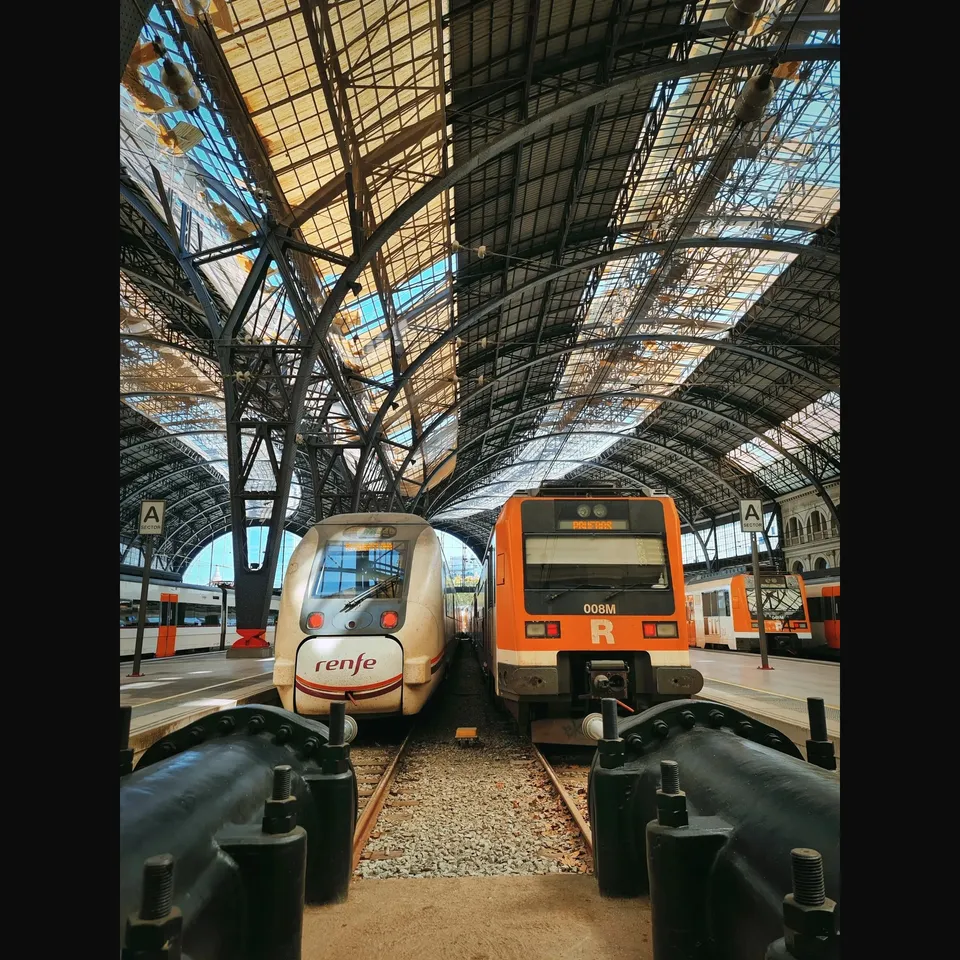
On Wednesday 4th November 2026, renewed attention was drawn to the safety of Spain's high-speed rail network after the train drivers' union Alferro revealed it had formally petitioned the European Union for intervention. The move follows the deadly Adamuz train collision in Andalusia on 20th January 2026, which killed 46 people, and a separate fatal incident in Gelida, Barcelona, two days later that claimed the life of a trainee driver. Alferro submitted its formal complaint to the European Parliament's Committee on Petitions on 18th March 2026. The petition, signed by general secretary Alfonso González Arias, warns of a deterioration in railway safety across Spain, citing structural deficiencies in maintenance, risk control, public supervision, and response to safety alerts.
Call for EU Oversight and Concrete Action
The union is urging EU institutions to investigate whether Spain is failing to properly implement European rail safety law. It calls for the adoption of concrete, verifiable, and time-bound measures in line with existing EU obligations. In the petition’s statement of reasons, Alferro stressed that rail safety is a core priority of EU transport policy and essential to protecting passengers’ lives and physical integrity. The union described its appeal as a necessary step to activate legal mechanisms for protection and compliance, not a political gesture. The Committee on Petitions accepted the complaint and debated it in July 2026. This committee has previously launched investigations into other Spanish issues, including the management of the Amnesty Law and the treatment of civil guards in Barbate.
Drivers Link Safety Failures to Investment Priorities
During a Committee on Petitions meeting on Wednesday 4th November 2026, a speaker highlighted concerns over how EU infrastructure funds are being used in Spain. They noted that maintenance spending per high-speed rail passenger dropped from €15 to under €10 between 2023 and 2025, while €2.1 billion was allocated to building new high-speed lines, projects often accompanied by political photo opportunities. The speaker argued that investment in new infrastructure, which generates political visibility, is prioritised over the repair and maintenance of existing lines, where safety risks are accumulating. They called on the European Railway Agency to audit ongoing safety investigations and ensure compliance with EU standards.
The search for protection at the European level is not for rhetorical or political purposes, but stems from the need to activate the instruments of protection, supervision, and compliance enforcement that Union law recognizes when railway safety and risk management are at stake.
Sources: El Mundo, contexte.com.