City-Led Mobility Review Targets Key Entry Corridors
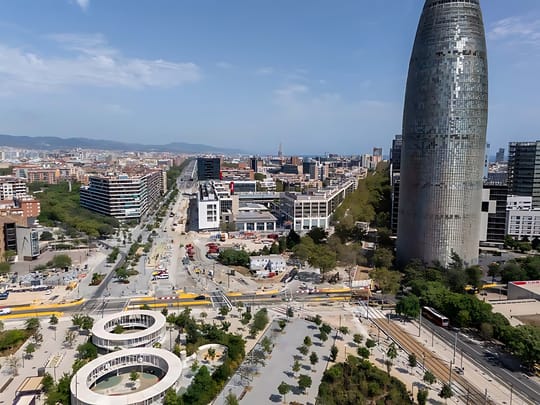
The Barcelona City Council is launching a comprehensive series of studies to assess how residents from across the metropolitan region enter and leave the city, particularly those commuting by private vehicle. The initiative, announced on Wednesday 30 September 2026, aims to produce a data-driven diagnosis of current and future mobility needs, with findings due by the end of 2027. According to reporting by El País and La Vanguardia, the studies will focus on four main access corridors: Avinguda Meridiana, Gran Via North, Gran Via South along the Litoral ring road, and Diagonal. These routes link central Barcelona with surrounding municipalities and are critical for interurban mobility involving over two million daily journeys, as reported by the Autoritat del Transport Metropolità (ATM).
Supramunicipal Coordination and Long-Term Vision
The research will examine strategic infrastructure questions, including whether the second railway tunnel between Barcelona and Vallès should run through Sant Cugat or Cerdanyola, and whether a proposed third tunnel into the city should follow the Diagonal corridor. It will also assess whether such projects should belong to the Rodalies or FGC commuter rail networks. These analyses form part of a broader vision extending to 2050, with interim targets set for 2030 and 2040. The work aligns with the Àrea Metropolitana de Barcelona’s (AMB) Sustainable Mobility Transition Strategy and supports the goals of the new Urban Mobility Plan (PMU) 2025–2030, which aims for 85% of trips in Barcelona to be made via sustainable modes.
The transformation of the next decade must be studied and defined now.
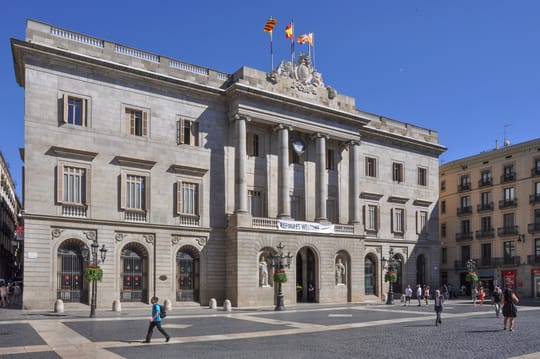
The Mobility Department at Barcelona City Hall stresses that while the council is leading the planning phase, implementation depends on cooperation with supramunicipal bodies including AMB, ATM, and the Generalitat. Prior consultations with these institutions have reportedly been met with positive feedback.
Focus on Public Transport Integration
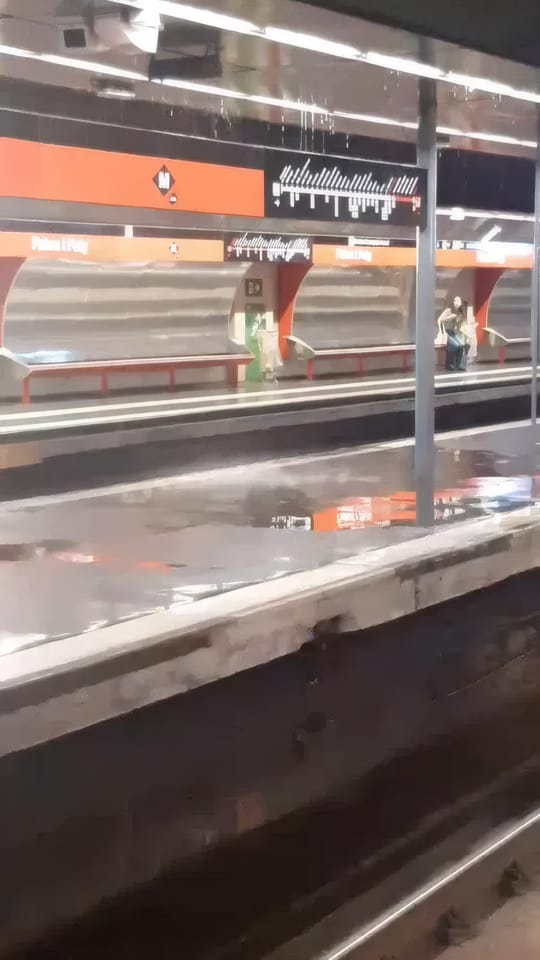
Particular attention is being given to Avinguda Meridiana, where advanced planning is already underway for redevelopment between Fabra i Puig and the Sarajevo bridge. This project will establish road design principles prioritising public transport, aiming to increase its use in cross-municipal travel. A key unresolved issue highlighted in AMB’s strategic documents is the lack of a coordinated model for interurban buses entering Barcelona, including unclear terminal locations and integration challenges with the city’s urban network. The upcoming studies aim to address such gaps, factoring in emerging trends like electric mobility and teleworking.
Residents and commuters from surrounding areas such as Badalona, l’Hospitalet, Cornellà, and Sant Cugat will be directly affected by the outcomes. Final recommendations will include short-, medium- and long-term proposals, with actionable steps expected to inform future investment decisions across the metropolitan transport network. More information on the Urban Mobility Plan 2025–2030 is available at barcelona.cat.
Primary sources: barcelona.cat. Reported by lavanguardia.com, recam.amb.cat, www3.amb.cat, elpais.com, atm.cat, institutmetropoli.cat, La Vanguardia Barcelona.