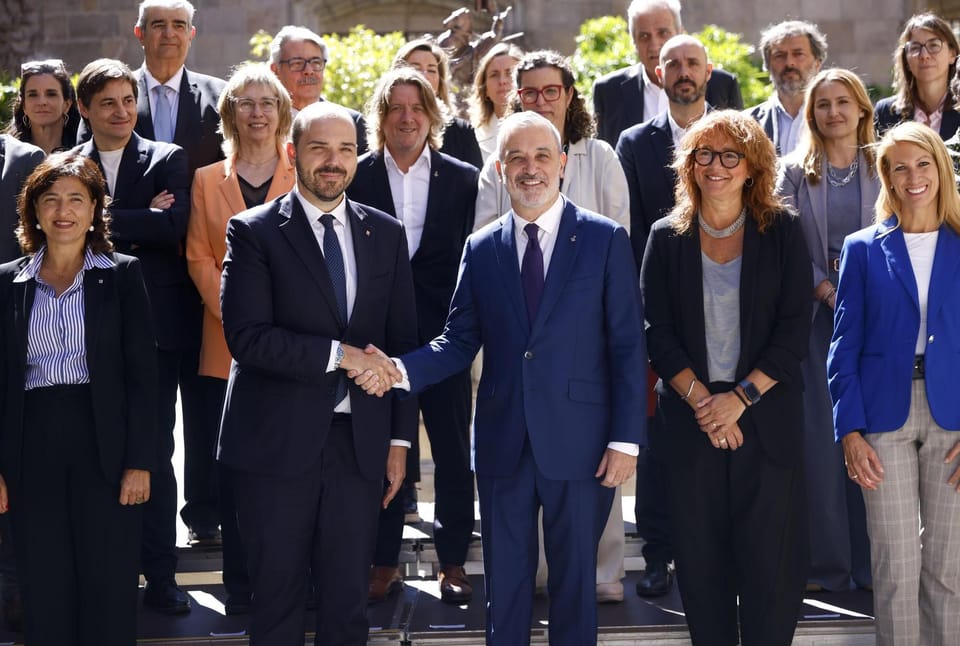
The Generalitat de Catalunya and Barcelona City Council have committed over €470 million to significantly upgrade public services across the city. This substantial investment targets new elderly care homes, modern school buildings, and critical housing rehabilitation in the Besòs i el Maresme district. The agreement emerged from a joint commission meeting held this morning at the Palau de la Generalitat, involving Generalitat President Salvador Illa and Barcelona Mayor Jaume Collboni.
Major Housing Rehabilitation in Besòs
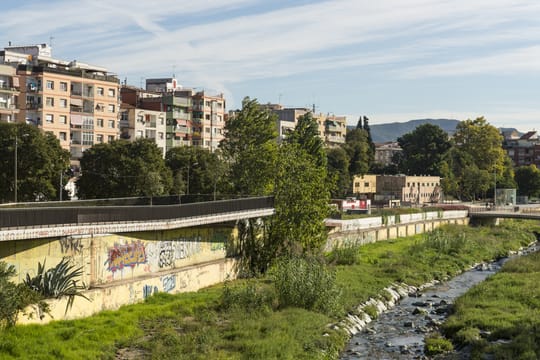
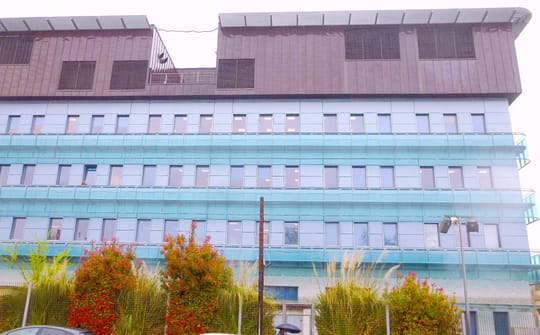
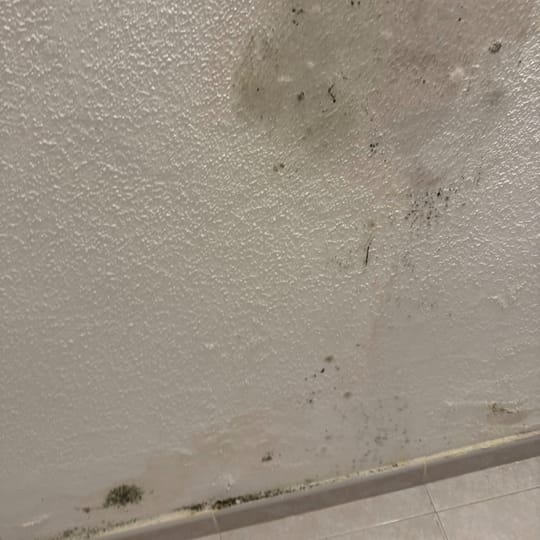
Both administrations will allocate €415 million over the next decade to accelerate and expand the rehabilitation plan for blocks affected by aluminosis and other structural issues in the Besòs i el Maresme district. This initiative, which began in 2020, has only completed reforms on 24 flats, with 192 more currently under construction. Mayor Jaume Collboni described this progress as "extraordinarily little." He added that "thousands of families live in a level of precariousness unworthy of a city like Barcelona."
Conseller de Presidència Albert Dalmau called the effort an "operation for the country," aiming to settle a "historic debt" with the Besòs area. An estimated 4,000 homes across 200 buildings in the zone require urgent reform to prevent damage. Public funding will cover a significant portion of the costs, ranging from 80% to 100%, depending on the repairs needed and each household's income. To help unblock the rehabilitation process, the Generalitat and City Council will establish a public company, with the City Council holding a majority stake. This company, part of an agreement with the Comuns political party, should start operations by the end of 2026.
New Elderly Care Homes Planned
Barcelona will see the construction of four new elderly care homes, addressing the city's insufficient public provision for a growing demand. These new facilities will be located in Sant Andreu, at Passeig de Torras i Bages, 135, on the site of former barracks. Another home will be built in the Nova Esquerra de l’Eixample district, at Viladomat, 149-151. The Marina del Port district will gain a new residence at Foc, 95, and a fourth will be situated near Glòries, at the intersection of Diagonal, Clot, and Badajoz streets. The exact number of beds and operational timelines for these new homes remain to be confirmed.
Both institutions acknowledged the current public offering in the city is insufficient for the continuously growing demand. They will establish a working group to study the specific needs for residential places in Barcelona's 10 districts. This group will also analyse the requirement for adapted flats to assist elderly residents across the city.
Boosting School Infrastructure
The Generalitat and City Council will also invest €17.5 million in reforms and expansions at various educational centres over the next four years. The Generalitat will contribute €10.5 million, with the City Council adding €7 million. Additionally, a convention will see the Generalitat provide €33.2 million and the City Council €7.8 million, totalling €41 million, for the construction of new buildings. These new facilities will house the Entença and Gaia schools and the Institut Escola Xirinacs, all located in the Eixample district.
The City Council will front the €41 million payment for these three properties between 2027 and 2029. The Generalitat will then repay its share between 2030 and 2032. Furthermore, both executives agreed to accelerate the construction of the 30 Passos school in Sagrera, which has operated from temporary modules since 2016. A construction project is now available, and officials expect its approval within approximately three months.
Enhancing Catalan Language and Social Services
Barcelona City Council plans to increase its contribution to the Catalan language courses offered by the Generalitat in the capital. This aims to reduce the current waiting list of approximately 2,300 students each quarter. The City Council intends to add €1.1 million to its annual contribution to the Centre de Normalització Lingüística, increasing it from €1.94 million to €3.09 million. This additional funding is expected to create 5,000 new places annually.
In social services, the City Council has offered to increase staff and resources. This will help reduce delays in drafting Individual Attention Programmes (PIA), which are essential documents for determining a person's degree of dependency and accessing legal aid. This reinforcement should be in place before the end of 2027. The Generalitat and City Council have also agreed to share databases and procedures for their respective social services, aiming to streamline administrative processes.
Addressing Public Safety Concerns
The joint commission also addressed public safety, referencing the new framework agreement for collaboration between the Mossos d’Esquadra and the Guardia Urbana. Conseller Dalmau and Mayor Collboni discussed recent knife crimes, including the deaths of a man in Ciutat Vella and a woman in Esplugues de Llobregat. Dalmau expressed "zero tolerance" for insecurity, a sentiment echoed by Collboni. The Mayor reaffirmed his confidence in the municipal security department. He stated that "crime data has fallen to levels of 10 years ago," and that "the Penal Code has changed to work more effectively against repeat offending, end the feeling of impunity, and ensure those who commit crimes will pay."
Moving forward, the Generalitat will transfer €15 million annually for a decade to the new public company managing the Besòs rehabilitation. This first year's transfer remains conditional on the pending approval of the Generalitat's budget. The City Council will provide €265 million to the project over its duration. The Generalitat's participation will free up municipal funds to finance rehabilitation projects in Trinitat Vella and La Pau. Working groups will continue to refine plans for elderly care and school infrastructure, with definitive measures awaiting their conclusions.
Sign up for our new entrepreneurs community Bizcelona, now accepting our second wave of applicants.
Originally published by El Periódico Barcelona. Read original article.