747 Religious Sites Across Metropolitan Area
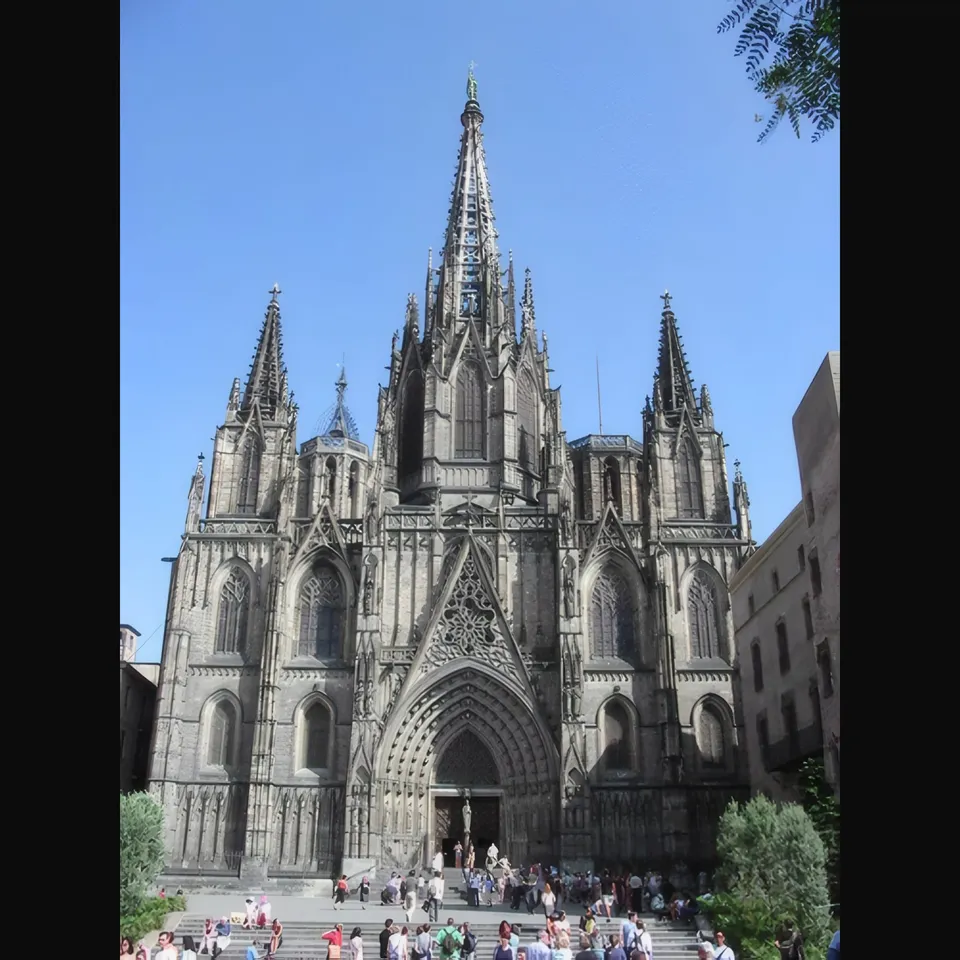
Barcelona is home to 584 places of worship representing 15 different religious confessions, according to the latest data from the Mapa Religiós de Catalunya, a tool developed by the Generalitat’s Directorate General for Religious Affairs. Across the wider metropolitan region, that number rises to 747. The data, collected in 2024, highlights a significant increase in evangelical churches and Muslim prayer rooms, largely driven by immigration. The growth presents a challenge for urban planning, particularly around location and construction of new religious buildings.
Urban Plan Review Must Address Integration
Ramon Bassas, Director General for Religious Affairs at the Generalitat, stated on Friday 6th November 2026 that the ongoing revision of the metropolitan urban development plan must address these changes. Speaking at the 'Fet religiós i metrópoli' conference, part of the Fem metrópoli cycle organised by Rethink Barcelona, Bassas called the issue an "urgent and key debate". "One of the problems for the city of Barcelona in the coming years is knowing what to do with places of worship," Bassas said. He urged the integration of religious spaces into mixed-use urban areas, comparing it to the reintegration of non-polluting industry into city centres.
There are security studies that affirm that criminal activity significantly decreases near a place of worship.
Bassas cited research indicating that crime levels fall significantly near places of worship, reinforcing their potential role in community safety.
Combating Prejudice Through Dialogue
Rosa Martínez-Cuadros, a researcher at Oslo Met University and member of the UAB’s ISOR research group, highlighted persistent prejudice, particularly around the opening of Muslim prayer rooms. She referenced the controversy in 2016 over a prayer space on Carrer de Japó in Nou Barris, where opposition from residents and far-right groups led to legal action. Initiatives like Nit de les Religions, launched in Barcelona in 2016 and now active in cities like Girona, aim to counter stereotypes by inviting the public to engage with diverse religious communities. Jaume Angelats, president of the Fundació Joan Maragall, stressed that interreligious dialogue is essential for social cohesion. Foment del Treball president Josep Sánchez Llibre added that a metropolis must be built not just on infrastructure, but on mutual respect, shared values, and the integration of cultural diversity as a driver of progress. Felipe Campos, director of Social Action and Sustainability at Veolia Spain, echoed this, stating that Barcelona’s future depends on building community through diversity, not just transforming physical space.
Sources: La Vanguardia, Generalitat de Catalunya.