City Seeks Exemption from New DGT Rule
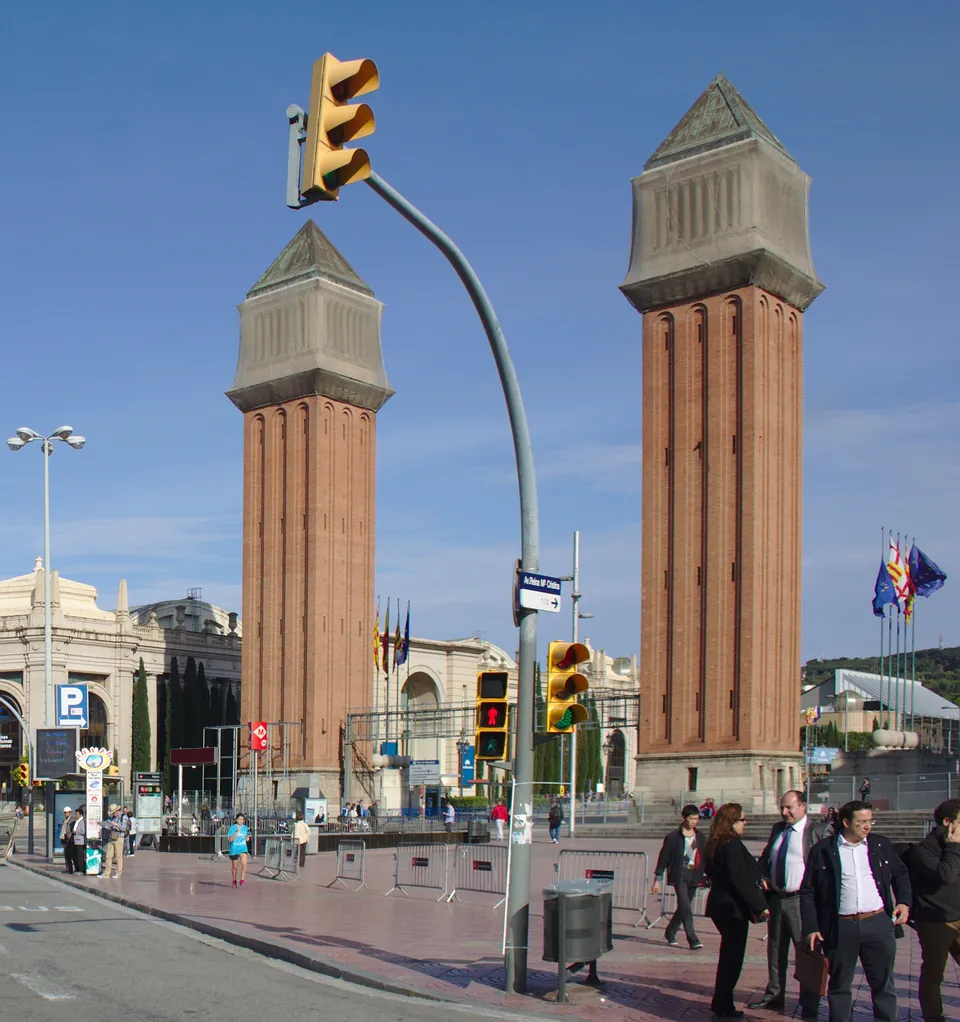
Barcelona is pushing back against a national traffic regulation change that could disrupt traffic flow across the city. The reform of the General Traffic Regulations, introduced by Spain's Directorate-General for Traffic (DGT) and effective from 1st October 2026, prohibits the simultaneous use of a flashing amber light for vehicles and a steady green light for pedestrians. This combination currently operates at approximately 1,550 intersections in Barcelona, where it allows drivers to proceed with caution when no pedestrians are present.
Concerns Over Congestion and Safety
Municipal sources warn that strict enforcement of the rule would reduce road capacity and increase congestion. They argue that the flashing amber light provides important benefits, including better visibility for pedestrians, a warning to drivers, and reinforcement of the obligation to yield. Barcelona City Council has been in ongoing discussions with the DGT for weeks, requesting clear criteria to apply the rule without compromising traffic fluidity or safety.
The strict application of the rule would imply a reduction in road capacity and an increase in congestion.
Flexibility Offered Amid Negotiations
In response to concerns from major cities, the DGT has relaxed its stance. Director-General Pere Navarro confirmed on Thursday 22nd October 2026 that local authorities may request exceptions if supported by a conclusive technical report. On the same day, the DGT issued an official instruction allowing city councils to defend their requests for exemptions. This opens the door for Barcelona to maintain the current system at key intersections. Navarro acknowledged the shift in national traffic policy: while past rules prioritised traffic flow, current regulations prioritise pedestrian safety. He stated that the coexistence of flashing amber lights for vehicles and green lights for pedestrians creates a potential risk.
Local Support for Current Model
The Gremi del Motor of Barcelona and the Catalan employers' association Fecavem have voiced strong concerns. President Jaume Roura described the rule change as potentially paralysing for the city and stressed the need for decision-makers to consult industry professionals. He reiterated this position during the inauguration of the Saló Ocasió last Thursday, urging that both the Barcelona City Council and the DGT rely on expert input to balance vehicle movement and pedestrian safety. Barcelona will now study which intersections require the current light configuration to be preserved, aiming to prevent unnecessary modifications that could worsen traffic conditions.
Sources: Metrópoli Abierta (CA), Metrópoli, Ara.