Unanimous support on metro, majority backing on FGC and Rodalies
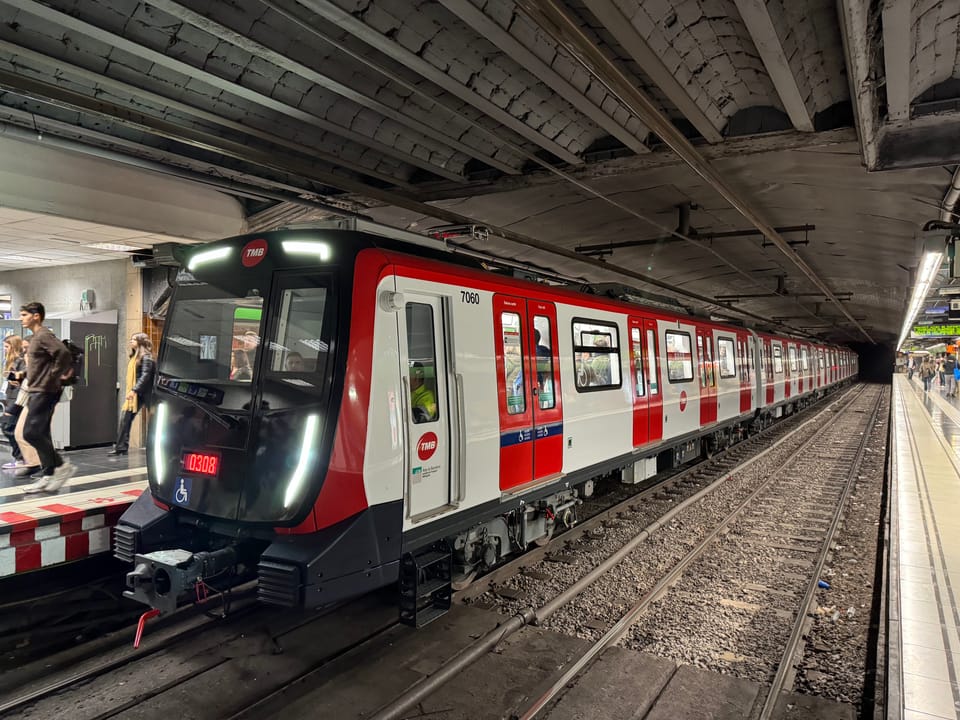
Workers at Ferrocarril Metropolità de Barcelona (FMB), the company managing Barcelona Metro and part of Transports Metropolitans de Barcelona (TMB), will join the 11 November strike with full agreement from all employee representative groups. This decision was confirmed by members of the CGT union on the FMB works council, as reported by Metrópoli. The Barcelona metro system will fully halt operations in solidarity with the 24-hour general strike called over rising living costs and housing insecurity.
Differing union stances on Rodalies and FGC
On Rodalies and Ferrocarrils de la Generalitat de Catalunya (FGC), the picture is more varied. While UGT, CCOO and CGT have all backed the strike, not all unions are taking a collective position. Sources from UGT on the Renfe works council told Metrópoli that the majority of representative groups have decided to support industrial action. "We are going all out for the strike. We understand that housing is a super important issue and we have to be there. We are class unions and we have to be there," they stated. However, some groups, including Semaf, are not issuing a collective stance. Teo Moreno, national spokesperson for Semaf, explained that while the union does not oppose the strike, it leaves the decision to individual members. "By statute, we are a free, independent, and apolitical union. We are essentially a professional union, and our scope of action is limited to professional and labour matters concerning train drivers in the exercise of their duties," Moreno said. The union respects workers’ individual right to strike.
FGC strike coordination through union sections
At FGC, coordination operates through individual union sections, granting greater autonomy. Although not all 23 committee members are from strike-supporting unions, the overwhelming majority belong to UGT, CCOO or CGT, which have formally registered strike notices. UGT sources, who hold the presidency of the committee, said they are actively encouraging staff to participate, while acknowledging personal circumstances may affect individual decisions.
We are class unions and we have to be there
Strike driven by housing, wages and cost of living
The 11 November strike was formally registered by CCOO, UGT and CGT between 19 and 20 October. Union leaders cite stark disparities between wage growth and housing costs. Belén López, regional secretary general of CCOO, noted that since 2013, house prices in Catalonia have risen by 96%, rents by 56%, while wages have increased by only 26%. The unions are demanding political and employer action to cap prices and secure indefinite rental contracts. Camil Ros of UGT described the strike as focused on raising wages, lowering housing costs, and controlling prices for essentials like food, fuel and energy.
Central demonstration at Jardinets de Gràcia
The main rally for the strike will take place at Jardinets de Gràcia in Barcelona at 5:30 PM on Wednesday 11 November, organised by the platform Ens Costa la Vida, the Tenants’ Union (Sindicat de Llogateres), and the Trade Union Table of Catalonia. Commuters are advised to expect full suspensions on metro, FGC and Rodalies services on the day. No alternative transport arrangements are expected. What this means for you: If you rely on metro, FGC or Rodalies services in Barcelona and surrounding municipalities, plan for complete service disruption on Wednesday 11 November. Further updates will be published via rodalies.gencat.cat and official TMB channels.
Sources: Metrópoli.