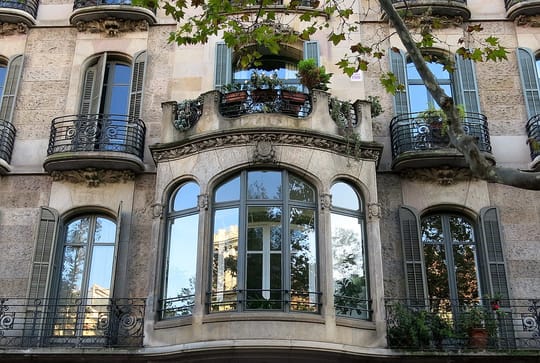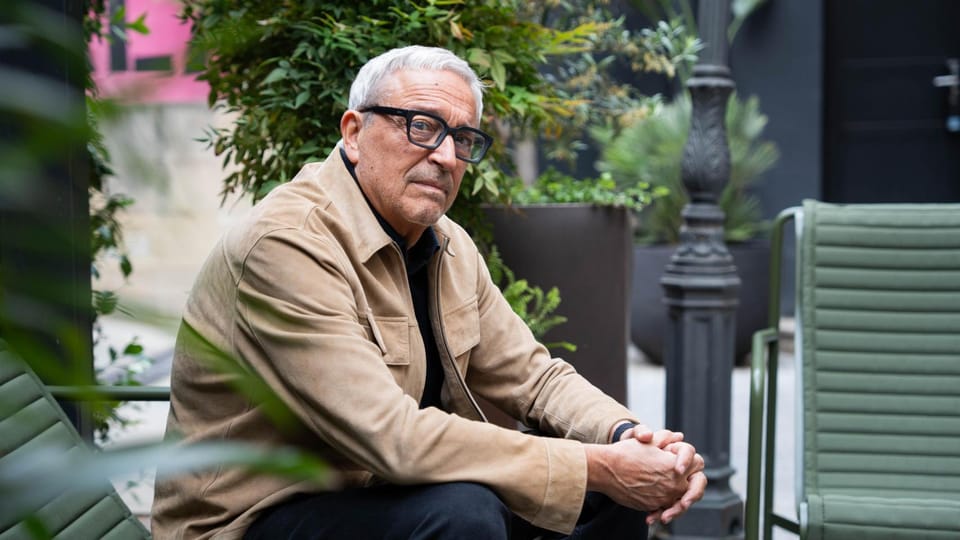
Prominent Barcelona lawyer and writer Javier Melero has sharply criticised the city's transformation, asserting that "in very many streets, Barcelona has simply ceased to exist." His remarks follow the publication of his new judicial novel, "Crímenes decentes" (Decent Crimes), which explores the city's power dynamics and its changing identity.
Javier Melero, a lawyer for former Barcelona City Council member Joaquim Forn during the independence process, argues Barcelona has become overly reliant on tourism. He describes this industry as "the only legal toxic industry" the city has embraced. This shift has profoundly impacted residents, particularly regarding housing affordability.
"We have given ourselves over to the only legal toxic industry, which is tourism," Melero stated in an interview with Metrópoli. He highlights a growing disparity, where a "rentier class" thrives while a "service sub-proletariat" struggles to afford living in the Catalan capital. Many service workers may need to relocate to areas like Teruel to maintain their jobs in Barcelona, he suggested.
The City's Post-Olympics Transformation
Melero traces Barcelona's current state back to the 1992 Olympic Games. He believes the event beautified the city and successfully marketed "the Barcelona brand." However, he now feels "the merchandise has eaten the city." He adds, "Now we look at it and we don't like it." This sentiment is echoed by his novel's protagonist, lawyer Rovira, who dislikes the "Barcelona that 'has to be liked'."
The lawyer and writer notes a continuous change in businesses across Barcelona. He observes that the city itself appears "for sale." Melero suggests other European cities, such as Zurich, have avoided this model. Melero presented his novel at the Dry Martini. He was joined by friends, including journalist Ramón de España. De España shares a similar view on the city's evolution. De España faces losing his flat in June after an investment fund acquired his building, illustrating the very issues Melero discusses.
Housing as a Financial Product
Melero strongly criticises the legal framework that allows housing to be treated as a financial product. He argues this framework incentivises dynamics that harm local citizens. "It's a very strange thing, we are destroying our citizens and giving fiscal subsidies to those who are doing that," he explained. He questions why speculation is permitted with housing but not with essential goods like penicillin.
"The problem is that housing is considered a financial product, which does not happen, for example, in the pharmaceutical industry, where there is clear regulation," Melero asserted. "I do not understand why one cannot speculate with penicillin, but one can with housing." Mayor Jaume Collboni's administration is addressing these excesses. The Ajuntament remains firm on withdrawing tourist licences by the end of 2028.
Beyond Gaudí: Barcelona's True Identity
Melero also critiques Barcelona's over-reliance on Modernism and Antoni Gaudí for its tourist appeal. With the centenary of Gaudí's death approaching on 10 June, Melero feels the city is much more than this single architectural movement. "It seems everyone is intimate with Gaudí and we haven't moved past Modernism," he remarked. He believes this focus overshadows other aspects of Barcelona's rich identity.
His novel explores various Barcelona neighbourhoods and landmarks. These include a transformed Poblenou, Plaza Espanya, the Upper-Diagonal areas, and Vallcarca. Melero describes the city's power structures as "barricaded against anything," suggesting any crisis impacts them in a "cushioned" way. Despite his strong criticisms, Melero maintains professional integrity. He stated he would "gladly defend vulture funds with a good provision of funds" if the case arose, separating his professional duty from his personal views.
Melero's observations add to an ongoing public debate about Barcelona's future direction. His insights highlight the tension between economic development, tourism, and the preservation of local identity and resident well-being. The city faces continued challenges in balancing its global appeal with the needs of its citizens.
Come and join our Barcelona English Speakers community on WhatsApp.
Originally published by Metrópoli Abierta - Urban Life. Read original article.