Major Urban Upgrade Underway
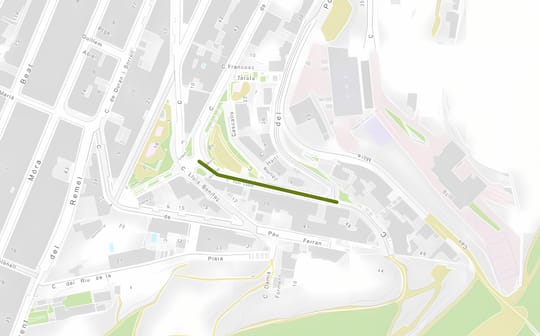
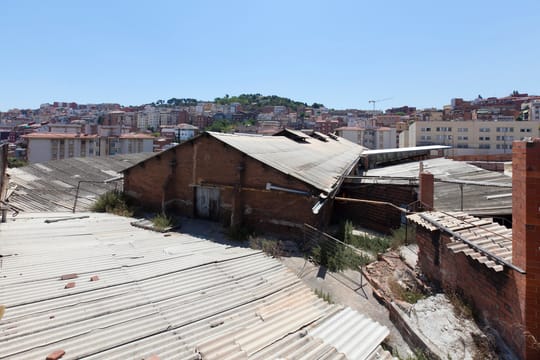
Barcelona has begun construction to redevelop a 2,850 square metre area in the Marina del Port neighbourhood, part of the Sants-Montjuïc district. The project, led by the Municipal Urban Planning Institute (IMU) under the Barcelona City Council, will transform the space between Mare de Déu de Port, Vilageliu and Gavaldà streets and Ferrocarrils Catalans Avenue. The renovation is expected to last six months and forms part of the city’s Program for Local and Interior Spaces, a strategy focused on repurposing underused urban zones into functional, green public areas. This initiative aligns with broader goals outlined in the Municipal Action Programme (PAM) 2023–2027 to improve urban livability, combat climate change and expand green infrastructure.
Design and Environmental Features
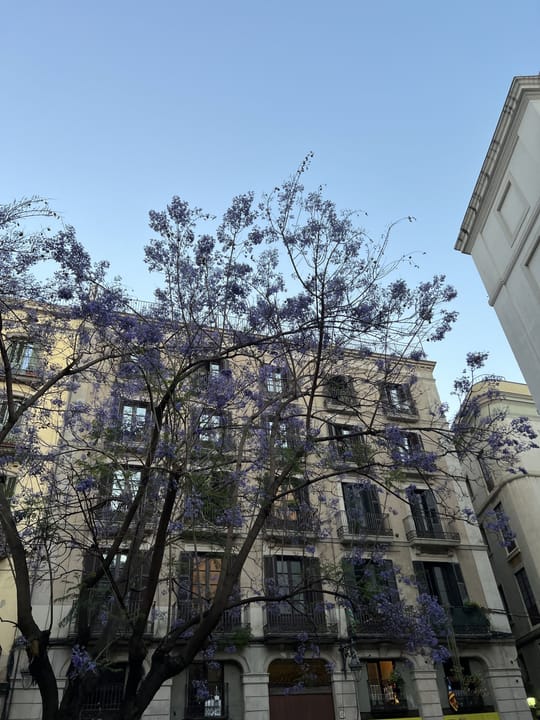
The redesign includes new pedestrian walkways, seating areas and extensive landscaping. Around 40 new trees will be planted, including Judas trees, stone pines, melia, ash and tipuana species, to increase shade and thermal comfort during hot months. Shrubbery adapted to local climate conditions will be installed in flowerbeds with efficient irrigation systems to minimise water use. On Vilageliu and Gavaldà streets, two continuous landscaped strips will run along much of the roadway, incorporating reused paving stones. A new internal passageway will link these streets with Ferrocarrils Catalans Avenue, featuring a central flowerbed intended to enhance the appearance of building rear walls. The sidewalk along Ferrocarrils Catalans Avenue will also be upgraded using panot tiles, maintaining existing trees and lighting while renewing the surface.
The project aims to complete the urban configuration of this sector of Marina del Port, improving connectivity and integrating future housing developments into the wider neighbourhood.
Improved Lighting and Community Integration
Approximately twenty new high-efficiency LED light points will be installed to improve night-time safety and reduce energy consumption. These upgrades are consistent with the city’s commitment to energy efficiency and sustainable urban development.
Community input helped shape the design through participatory processes involving local residents. Over 100,000 people have taken part in such initiatives across the city during the current term of office, according to official reports. The intervention supports ongoing residential development in Marina del Port, ensuring new homes are integrated into a cohesive public environment. It also advances the IMU’s role in managing urban regeneration projects like those in the 22@ and Marina del Prat Vermell districts, as detailed in its 2024 annual report.
Primary sources: ajuntament.barcelona.cat, Barcelona City Council. Reported by barnadiario.com, Barna Diario.