Record Thefts Disrupt Commuter Rail Services
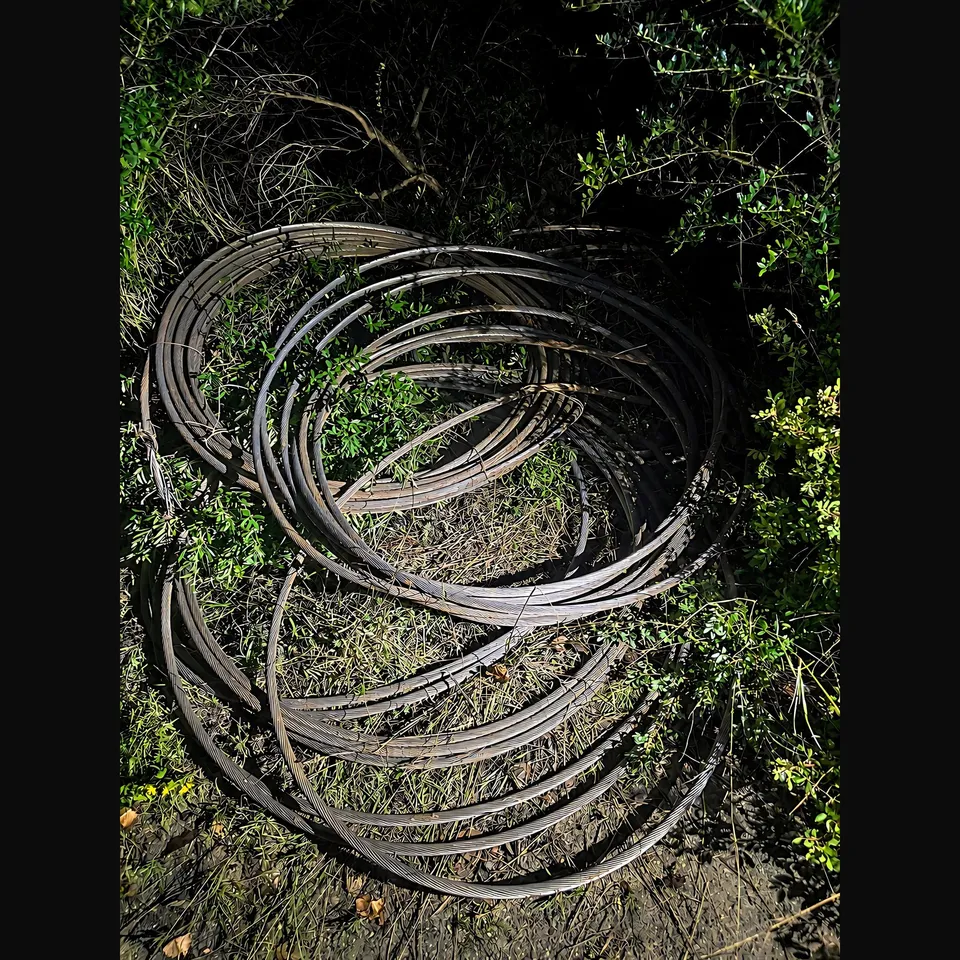
Catalonia's Rodalies commuter rail network has seen a record surge in copper cable thefts, with 229 incidents reported between January and August 2026, surpassing the previous annual high of 184 in 2025. The thefts, which primarily affect infrastructure such as communication cables, have become the leading cause of service disruptions, causing widespread delays and impacting daily commuters across the region. According to Adif, the state-owned rail infrastructure manager, Catalonia accounts for 37.8% of all such thefts in Spain, making it the most affected region. Intendent Joan Salamaña of the Mossos d'Esquadra, the regional police, explained that while organised criminal mafias have not yet emerged, two distinct offender profiles are active: opportunistic individuals with no infrastructure and loosely organised groups using multiple vehicles for targeted heists.
Plan Via Yields Rapid Results
Since the launch of Plan Via in late July 2026, a joint operation between the Mossos and Adif, 45 people have been arrested, two have been imprisoned, and three judicial restraining orders have been issued banning access to railway infrastructure. This represents half of all 80 arrests made in Catalonia for such crimes in 2026, with 45 occurring within just three months under the plan.
We are not encountering mafias, criminal groups as such, with a specific structure and different roles.
, Intendent Joan Salamaña, Mossos d'Esquadra Plainclothes officers have played a key role, including an operation near Barcelona’s new Sagrera station less than a month ago where two men, one aged 17, were caught stealing 134 kilos of copper cable. The minor, already wanted for burglary, attempted to sell the material for €1,246 at a nearby scrapyard.
Hotspots and Prevention Measures
Key theft locations include Barcelona-França station, which suffered six separate thefts in ten days, and sections of the R3 line between Montcada and Parets del Vallès, where major works are ongoing. The Mossos have established surveillance at high-risk sites, leading to interventions such as in Roda de Berà, where three suspects in two vehicles were intercepted attempting to loot monitored tracks. Adif and the Mossos are strengthening preventive measures, including installing security cameras and fencing at repeat-offence sites. In the metropolitan area of Barcelona, €20 million has been allocated to replace around 70 km of stolen cable.
Focus on Scrap Markets and Legal Reform
The Mossos have conducted 61 inspections of scrap metal dealers in the last three months, filing 25 complaints and seizing illicit material in three cases. Police stress that as long as stolen copper can be easily sold, thefts will continue. Trade unions SAP-Fepol are calling for more resources to target the sale chain, warning that the burden should not fall solely on patrols. Meanwhile, the Generalitat supports a legal proposal from the Transport Ministry to increase penalties when thefts endanger rail safety or service continuity.
Sources: El Mundo, Ara, diaricatalunya.cat.