Integrated Housing Model to Combat Displacement
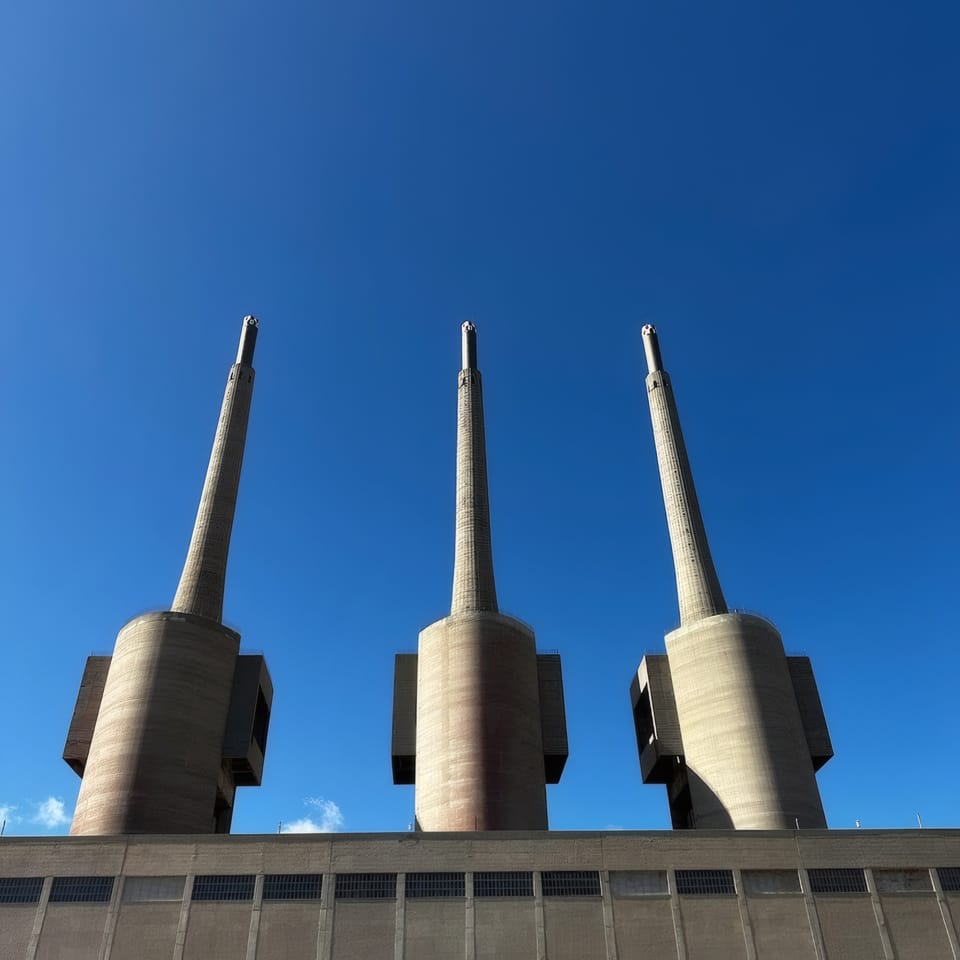
More than 1,700 new homes will be built in the Tres Xemeneies area of Sant Adrià de Besòs as part of a strategic effort to address the metropolitan housing crisis and prevent a 'two-speed neighbourhood'. The development, governed by the Urban Development Master Plan (PDU), will reserve 40% of residential floor space for official protection housing (HPO), with half of those units allocated to rental and half to purchase. This model is designed to serve both first-time buyers and households seeking regulated-price rentals in the Barcelona metropolitan area, according to Jorge Pérez de Leza, CEO of Metrovacesa and member of the Front Marítim Besòs consortium overseeing the project.
Shared Spaces, Equal Standards
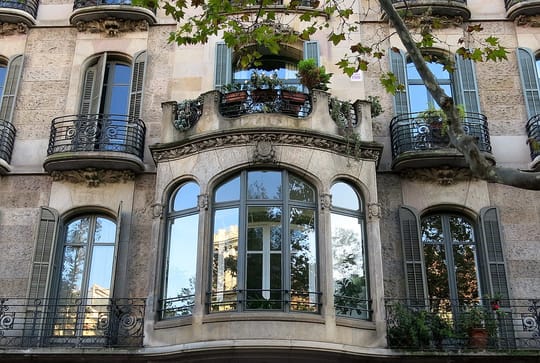
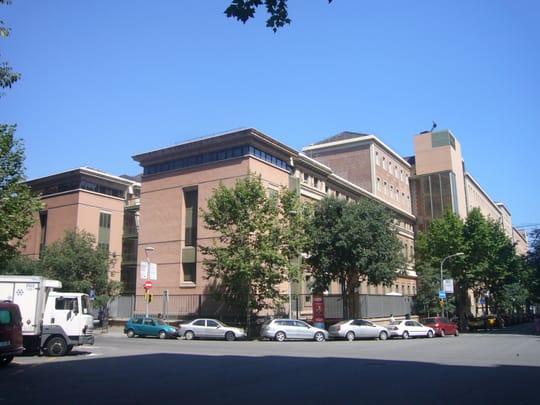
To avoid physical and social segregation, free-market and protected housing will be integrated within the same buildings and public spaces. There will be no closed developments or separate plots. Construction standards across all units will align with current Technical Building Code regulations, ensuring comparable energy efficiency, quality, and finishes regardless of tenure. "Today, the requirements for protected and free housing are practically the same," Pérez de Leza said during the BCN Desperta! forum. The urban design also prioritises openness: all blocks will be publicly accessible, with buildings set back to face a new 10-hectare coastal park.
Public Land Expansion and Social Goals
Currently, 80% of the land in the Tres Xemeneies sector is privately owned. Upon completion, 80% of the total area will become public domain, dedicated to roads, green spaces, community facilities, and HPO plots. This transformation is led by the Consorci del Besòs, a joint body representing Badalona, Barcelona, Montcada i Reixac, Sant Adrià de Besòs, and Santa Coloma de Gramenet. It forms part of the broader Agenda Besòs initiative aimed at reducing social vulnerability in the region. José Gras, Deputy Mayor and Councilor for Territory in Sant Adrià de Besòs, stressed that the goal is to halt resident displacement due to rising property prices. "I would like the people of Sant Adrià to feel proud of their city and want to stay living here," he said. The councilor described the plan as a decade-long shift from viewing the Besòs area as one of social vulnerability to one of social opportunity.
Project Timeline and Governance
According to participants in the BCN Desperta! panel, the development is progressing according to its planned roadmap. Key infrastructure projects, including street layouts, the coastal park, elevated walkways, and land redistribution, were approved in principle by the Consorci del Besòs on 12 June 2026. The financial and urban integration of the 1,700 homes results from this restructured land ownership model, supported by institutional coordination among local, regional, and metropolitan authorities. The full residential build-out and main facilities are expected within the next ten years.
Reported by metropoliabierta.cat, metropoliabierta.elespanol.com, consorcibesos.cat, pemb.cat.