Anti-Abortion Book Found in Public Hospital Reflection Room
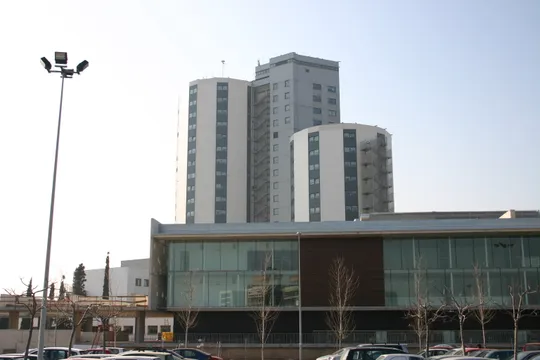
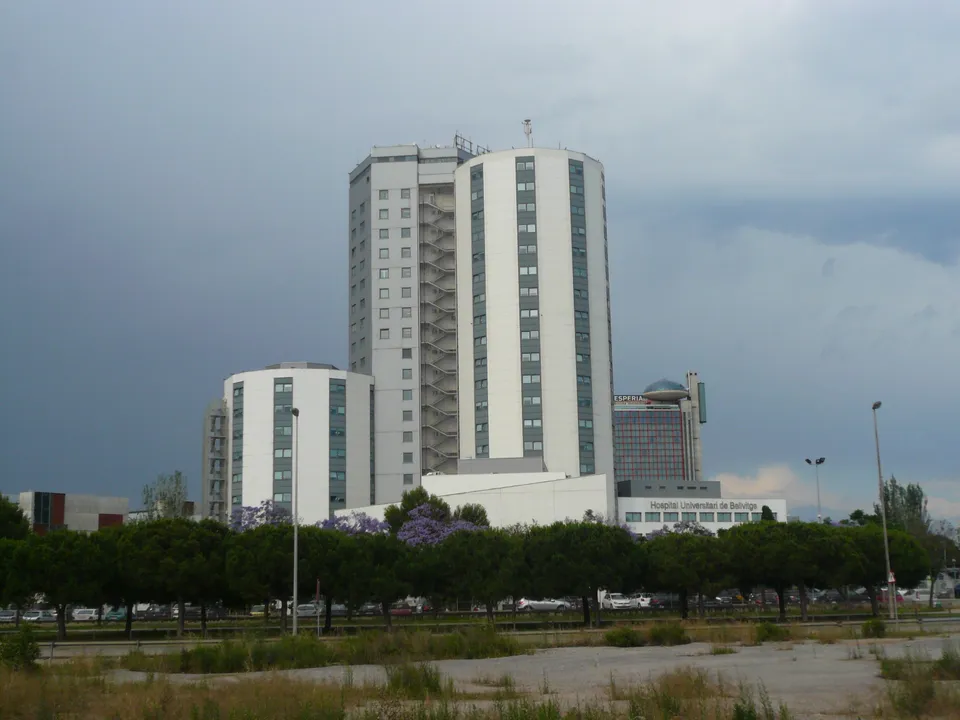
A book titled 100 Questions and Answers on the Defense of Human Life and the Attitude of Catholics, published by the Spanish Episcopal Conference, was discovered on Wednesday 28th October 2026 in the worship and reflection room at Bellvitge University Hospital, a public healthcare facility in L'Hospitalet de Llobregat. The space, intended to be non-denominational under Catalan law to accommodate people of all faiths or none, is meant to be free of religious symbols. However, hospital workers have documented up to 15 Catholic items, including crucifixes and holy cards, alongside leaflets from the Episcopal Conference and Opus Dei. Maribel Ramírez, a worker and delegate for the CGT union, called the presence of the book "alarming" and described it as anti-abortion propaganda that undermines women's rights. She stated that the materials include contact numbers and instructions for joining religious organisations to "save your soul", targeting vulnerable patients and families.
Longstanding Breach of Religious Neutrality
The issue is not new. In 2022, the hospital opened the reflection room, which should have complied with Catalonia’s regulations on religious neutrality in public institutions. The CGT filed multiple complaints, including one with the Sindicatura de Greuges (Catalan Ombudsman), which ruled in their favour in 2023. Following the ombudsman's intervention, the Catalan Government raised the matter in the 'Catholic Church–Department of Health' working group and forwarded concerns to Father Sebastià Aupí, Secretary of the Episcopal Conference of Tarragona. He apologised for the presence of Catholic symbols and pledged their removal. Despite this commitment, the religious materials remain. The anti-abortion book was found last Wednesday and had disappeared by Thursday 29th October, though workers insist they did not remove it. Ramírez explained that legal advice had warned against touching the material, as doing so could constitute an infringement of religious freedom. The hospital administration claims it was unaware of the book and has announced an internal review into how it came to be placed in the room.
Workers Consider Legal Action
The CGT says it is now considering legal action over the continued violation of secular principles in a public health setting. The union argues that the room’s current state fails to respect the beliefs of agnostics, atheists, and non-Catholic patients during moments of distress. Additionally, staff have expressed discomfort over a camera recently installed in the hospital cafeteria, with some workers stating they feel under surveillance. The controversy highlights ongoing tensions in managing religious diversity in public institutions, as outlined in academic studies on multifaith spaces in Catalan hospitals, which describe such areas as sites of material and ideological negotiation rather than neutral ground.
Sources: elDiario.es, digital.cic.gba.gob.ar, sindic.cat.