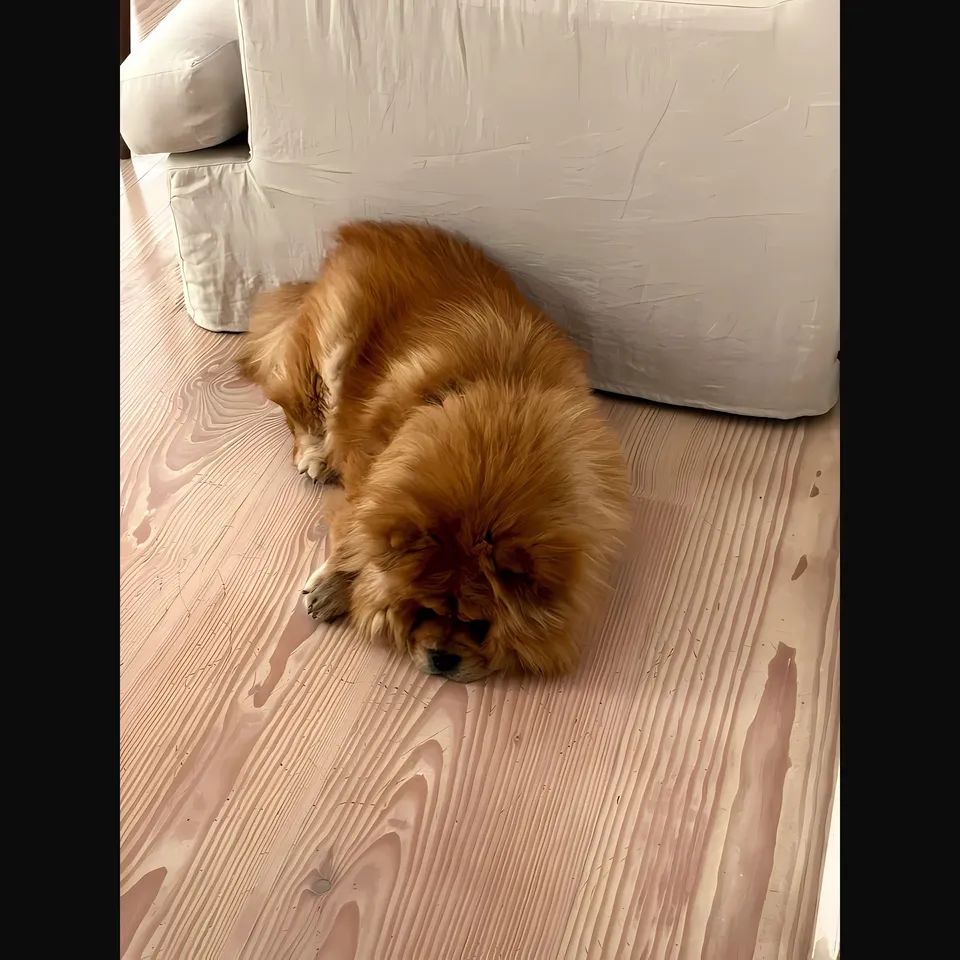
One-year sentence for animal cruelty
The Court of First Instance number 1 of Girona has sentenced a woman from Planoles, in the Ripollès region of Girona, to 12 months in prison for causing the death of her dog through abandonment. The animal, named Trunks, was left locked in a flat without food or water for at least two weeks and died in early February 2023. The court confirmed the woman had stopped providing sustenance during that period, leading to the dog’s slow and painful death. Although the sentence includes a 12-month prison term, it will not be served immediately. Because the woman has no prior criminal record, the sentence has been suspended for two years, provided she does not reoffend and completes an educational programme on animal protection. She has also been banned from owning animals or working in animal-related professions for four years, the maximum period allowed under Spanish law. The disqualification remains in force regardless of the suspended prison term.
Warnings ignored before dog’s death
The case has raised serious questions about institutional response. Neighbours first reported hearing barking and whining from the flat in December 2022. The mayor of Planoles was alerted, and the Mossos d'Esquadra (Catalan police) were informed. The woman initially claimed she visited the dog twice a week, then later told officers she fed it daily and walked it at night due to its aggression. The authorities accepted her account and did not verify the dog’s condition. On 1st February 2023, a municipal councillor visiting the building warned the mayor that the dog’s whimpers suggested it was near death. Two days later, on 3rd February, she entered the flat and found Trunks dead. According to the court ruling, the animal had been without food or water for at least 14 days.
When an administration receives warnings that an animal may be in danger, it is essential that it act with diligence and effectively verify its situation.
FAADA (Foundation for Advice and Action in Defense of Animals), which acted as the popular prosecutor in the case, had requested an investigation into possible criminal responsibility of the municipal authorities for failing to intervene. That request was dismissed.
Justice secured despite evidential challenges
Anna Maria Estaran, FAADA’s lawyer on the case, explained that evidential difficulties, particularly around accessing the flat and preserving the body, influenced the decision to accept a plea agreement. The maximum penalty for this crime is 18 months, but the prosecution requested 12, which the court upheld. The Foundation prioritised securing a conviction and the four-year animal ownership ban to prevent future harm. The necropsy, carried out by Rural Agents, and the preservation of the body by a veterinarian were crucial in proving the cause of death. FAADA released a distressing photograph of Trunks after his discovery to highlight the consequences of neglect and to advocate for earlier intervention in animal welfare cases. The sentence was officially issued on 19th October 2026 and reported on 5th November 2026 by multiple outlets including La Ciutat and ACN. The case underscores how prolonged neglect, even without physical violence, can constitute extreme cruelty, and how multiple warnings, when unheeded, can have fatal consequences.
Sources: El Nacional, laciutat.cat, rac1.cat.