Court rules on religious freedom grounds
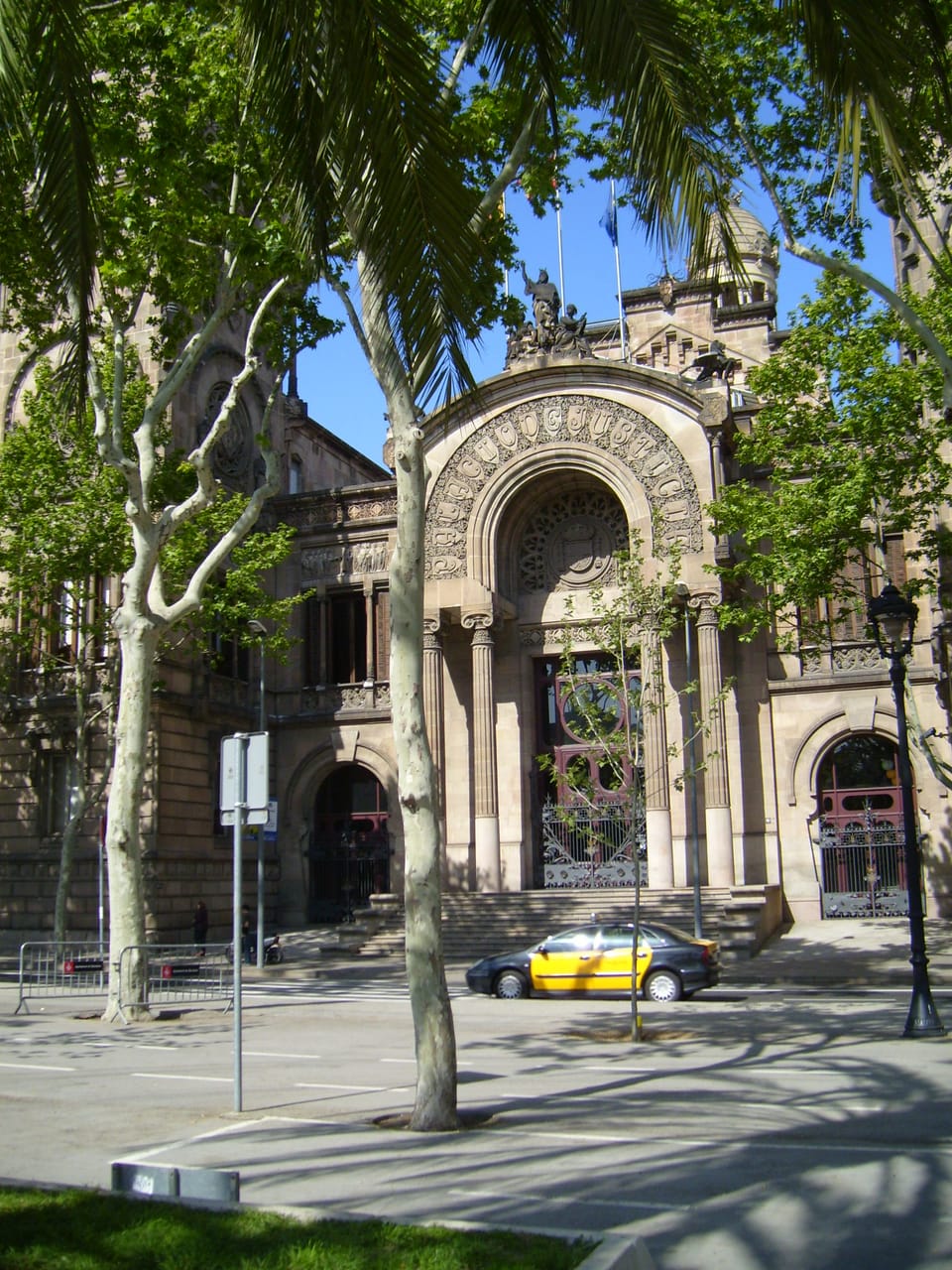
The Tribunal Superior de Justícia de Catalunya (TSJC) has annulled the Viladecans City Council's decision to refuse designating areas in its municipal cemetery for Muslim burials. The court found that the council did not sufficiently justify its claim of limited space, a failure that constitutes a breach of religious freedom under Spanish constitutional law. The case began in 2022 when a local Muslim family requested to transfer their son’s remains to Viladecans for burial according to Islamic rites, which require direct in-ground interment without a coffin and orientation towards Mecca. The council rejected the request, citing space constraints and the logistical challenges of accommodating such burials.
Legal reasoning and next steps
In a 30 September ruling, the TSJC’s Fifth Chamber of the Contentious-Administrative Division determined that the council’s justification was inadequate. While the court did not order the immediate creation of designated Muslim burial plots, it mandated that the council must now conduct a technical study to assess the feasibility of such burials. This follows an earlier ruling by a Barcelona administrative court in favour of the council, which the TSJC has now partially overturned, stating that the lower court failed to properly address the alleged infringement of religious rights.
The council must now provide technical reports on whether space can be allocated, as required by the court’s instructions.
Municipal sources have confirmed they will comply with the order to reopen the administrative process, while also stating that their legal department is considering an appeal to the Spanish Supreme Court. They argue that, like most cemeteries in the Baix Llobregat region, Viladecans’ cemetery lacks the physical conditions needed for Islamic burials.
Regional alternative cited
The council continues to refer families to the Roques Blanques cemetery in El Papiol, a comarcal facility established in 1984 specifically to serve religious minorities, including Muslim communities. This site, managed by the Baix Llobregat County Council, already includes designated areas for Islamic burials and is presented as a functional alternative. The council also cited the State Cooperation Agreement with the Islamic Commission of Spain, which allows for burials to take place outside the deceased’s municipality of residence when necessary. Residents affected by the ruling may contact the Viladecans City Council for updates on the ongoing study.
Reported by liniaxarxa.cat, metropoliabierta.elespanol.com, elperiodico.com, EFE, Newsroom Infobae, Línia Xarxa.