Leading figure in Catalan theatre
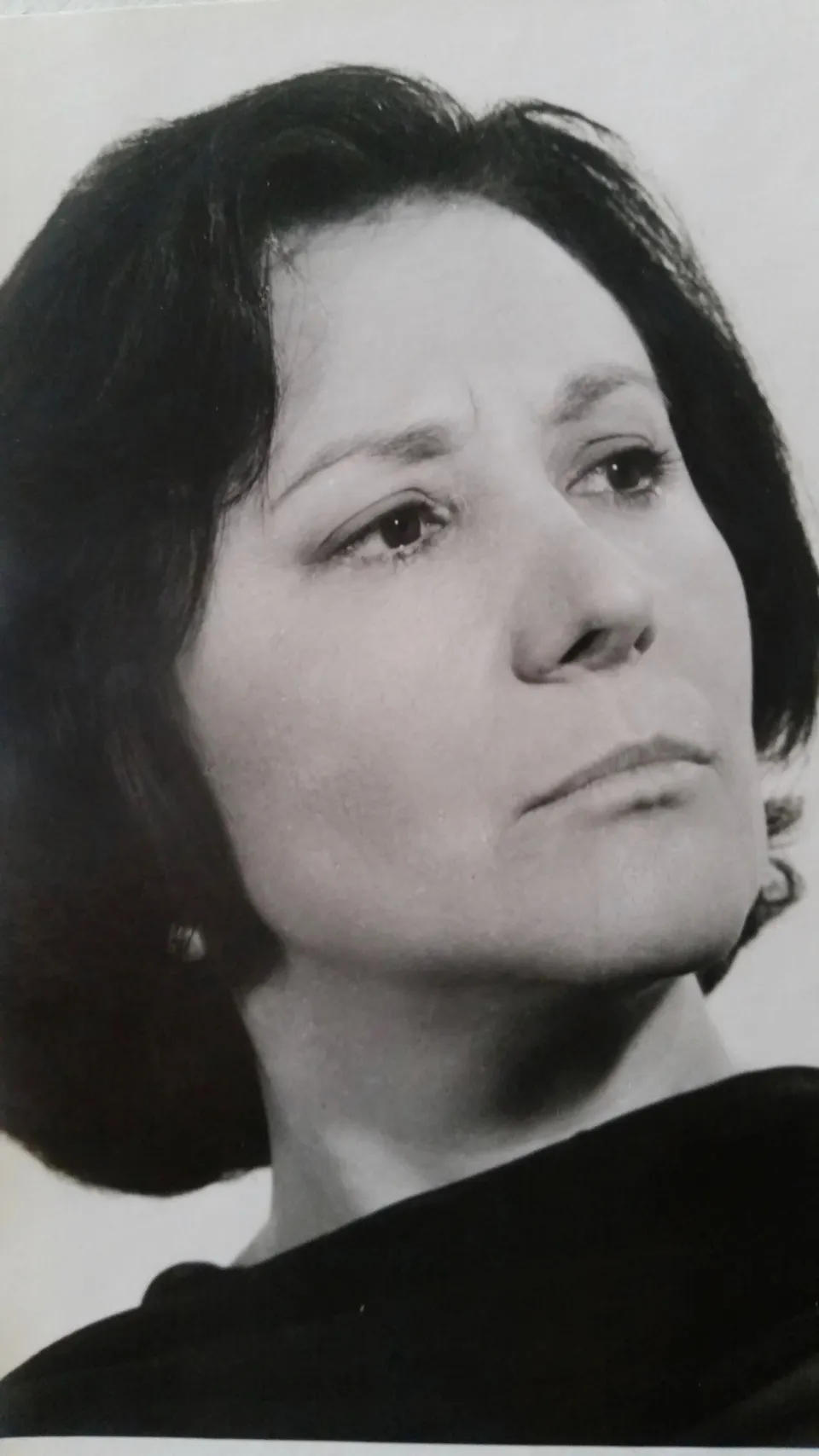
Teresa Cunillé, a foundational presence in Catalan theatre during the second half of the 20th century, has died at the age of 102, family sources confirmed to ARA on Friday 27th November 2026. Born in Sabadell on 22nd October 1924, Cunillé performed in over a hundred stage productions and was the most frequent performer in the history of Barcelona’s Teatre Romea. She worked with renowned directors including Hermann Bonnín, Joan Ollé, Esteve Polls and Sílvia Munt, and remained professionally active until her 80s.
Early life and career
Cunillé’s passion for theatre began in her childhood, influenced by her father, actor and director Jaume Cunillé, with whom she formed a comic duo and performed in zarzuelas. She trained at the Institut del Teatre, receiving the extraordinary award for interpretation in 1944. After a brief stint with Irene López Heredia’s company, she returned to Sabadell to perform with her father and Domènec Vilarrasa, whom she later married. It was during this time that she first encountered the work of Josep Maria de Sagarra, a writer whose plays would become central to her artistic identity.
Breakthrough at the Teatre Romea
In 1951, Cunillé and Vilarrasa were invited to join the newly formed Companyia Titular Catalana at the Teatre Romea, a turning point in her career. They performed in the 1953 premiere of La filla del Carmesí, marking her debut at the venue that would become most closely associated with her work. She brought to life numerous Sagarra classics, including L’alcova vermella (1952), L’amor viu a dispesa (1952), and La ferida lluminosa (1954), the latter becoming a landmark of post-war Catalan theatre. Cunillé rose to widespread popularity in Catalonia with the 1959 premiere of La Pepa maca by Cecília A. Màntua at the Romea, a tribute to the female sailors of the Costa Brava. That same year, she appeared in Les maletes del senyor Vernet at the Teatre Guimerà, where a young Josep Maria Flotats made his debut.
Television and later recognition
During the 1970s, Cunillé collaborated frequently with actor Joan Capri in productions such as L’amic ministre (1972) and El peu de la lletra (1973). She also participated in televised recordings of Catalan theatre for TVE’s Catalan Circuit, including Sagarra’s L’hostal de la Glòria (1976). She later appeared in Terenci Moix’s RTVE series Mare i fill. Societat limitada (1980) and gained further recognition for her role as a matriarch in TV3’s Nissaga de poder (1996).
Return to stage and final years
After stepping away from the stage during the 1980s, Cunillé returned in 1987 with a revival of La filla del Carmesí. Her later performances included El maniquí by Mercè Rodoreda at the Teatre Nacional de Catalunya (1999) and Dones com jo. Heroïnes de Sagarra (2002), a retrospective of her career. At 82, she accepted one final role in The Abandoned Garden by Santiago Rusiñol, which premiered in 2007 at Espai Brossa and marked her last stage appearance. Cunillé received numerous honours, including the Medal for Artistic Merit from the city of Sabadell, the Creu de Sant Jordi in 1996, and the Generalitat’s Centennial Medal in 2025. In 2018, the Teatre Romea established the biennial Teresa Cunillé Award for the best research on Catalan theatre history. A tribute to her centenary was held at the Romea in 2024. Speaking at the event, Cunillé said:
“I am so moved that the words almost won't come out; I don't know what to tell you because I am so proud. I have this feeling inside, and I don't know if I want to cry or laugh. You don't know how much good you are doing me!”
Sources: Ara, rac1.cat, laciutat.cat.