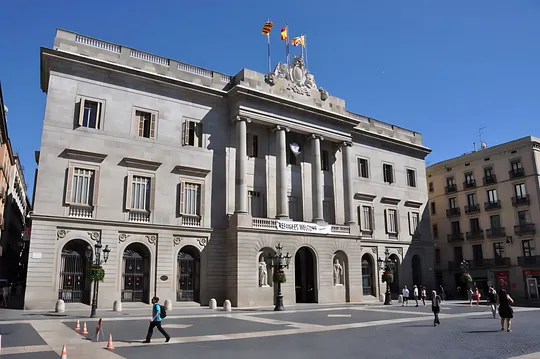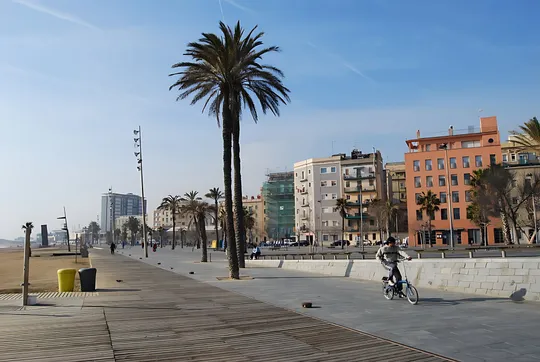
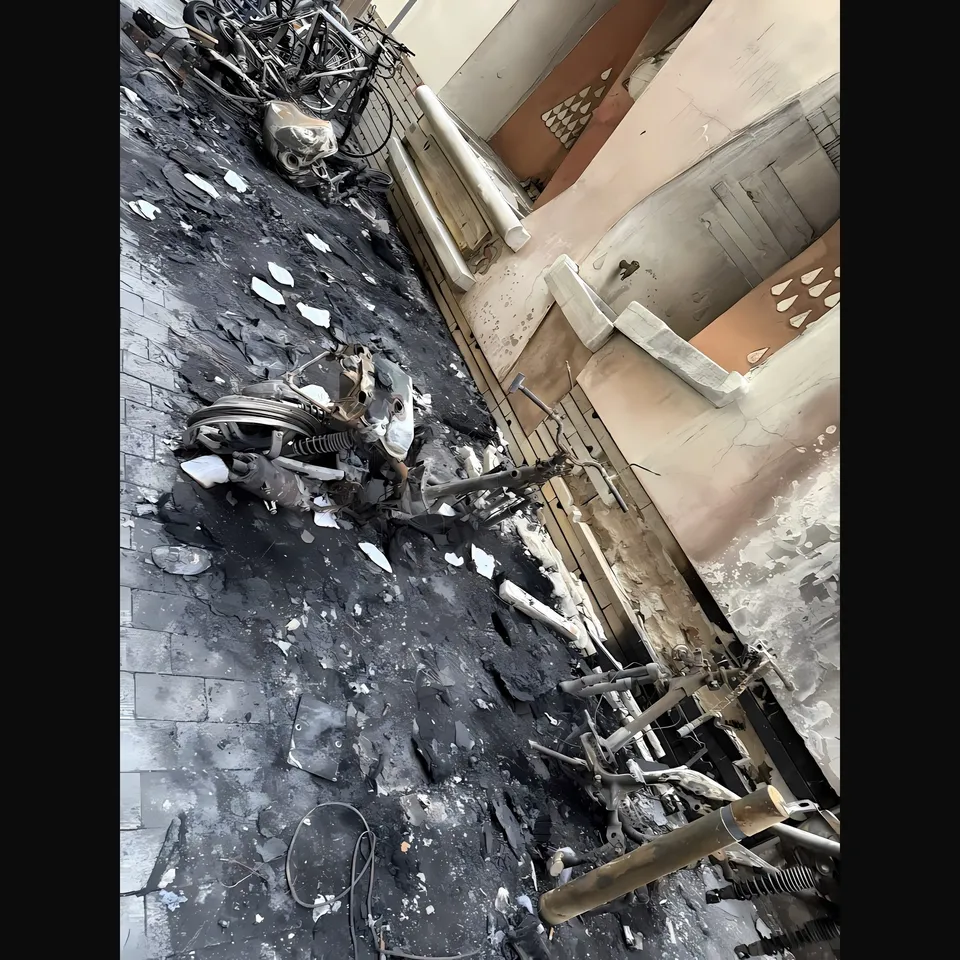
More than thirty businesses were damaged and 132 people arrested, 89 of them minors, during Saturday's riots in Barcelona, according to the public prosecutor's office. In the aftermath, teachers from Granollers and Vallès Oriental have spoken out about growing unrest among students, telling Ara Cat that deep-seated frustration and online influence played key roles.
"Accumulated Discontent and Rage"
Ester, a teacher at a high school in the Granollers area, speaking under a pseudonym, said two of her students were identified in the riots. "Tension has been palpable in classrooms for some time," she told Ara Cat. "There's a breeding ground that leads to situations like this." She cited housing insecurity, disillusionment with education, and bleak job prospects as drivers of what she called "accumulated discontent and rage."
"They thought they would find a clear-cut political protest; they got carried away by what they had seen on TikTok,"
Ester said students were misled by online content, believing they were joining a structured protest. Instead, she described it as a "trap." She suspects a "Machiavellian" motive behind the anonymous call to action, which spread via TikTok, WhatsApp, and Telegram. The timing, she noted, coincides with preparations for a general strike on 11th November, suggesting an attempt to discredit youth movements.
Screen Time and Information Overload
Jonathan, a vocational teacher in another metropolitan area, said students spend up to 10 hours daily online. "It's hard for adults to filter, but young people don't verify," he told Ara Cat. He warned that AI amplifies misinformation, making it spread like an "oil slick."
Some teachers fear addressing the topic in class, worried about opening "a can of worms." Marta, a teacher in Vallès Oriental, confirmed students remain active in closed Telegram groups, despite two being shut down. Teachers are divided on how, or whether, to discuss the events.
Sources: Ara.