Sant Adrià de Besòs City Council has formally challenged Barcelona's Metropolitan Urban Master Plan (PDUM), demanding an end to its long-standing role as an industrial service hub for the wider metropolitan area. The municipality insists on a radical transformation of its coastline, including the progressive dismantling of polluting infrastructure like the TERSA incinerator and Ecoparc waste treatment plant by 2050.
The City Council submitted seven critical objections to the PDUM's second initial approval. Official documents, including a mayoral decree and a detailed technical report from the Territory Service, establish a clear boundary. Sant Adrià refuses to indefinitely prolong its historical burden of heavy and polluting infrastructure, which has primarily benefited the Barcelona metropolitan area.
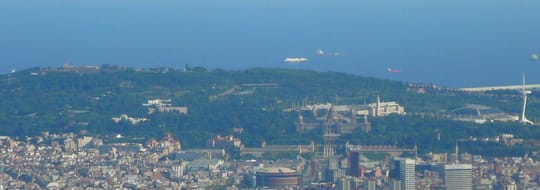
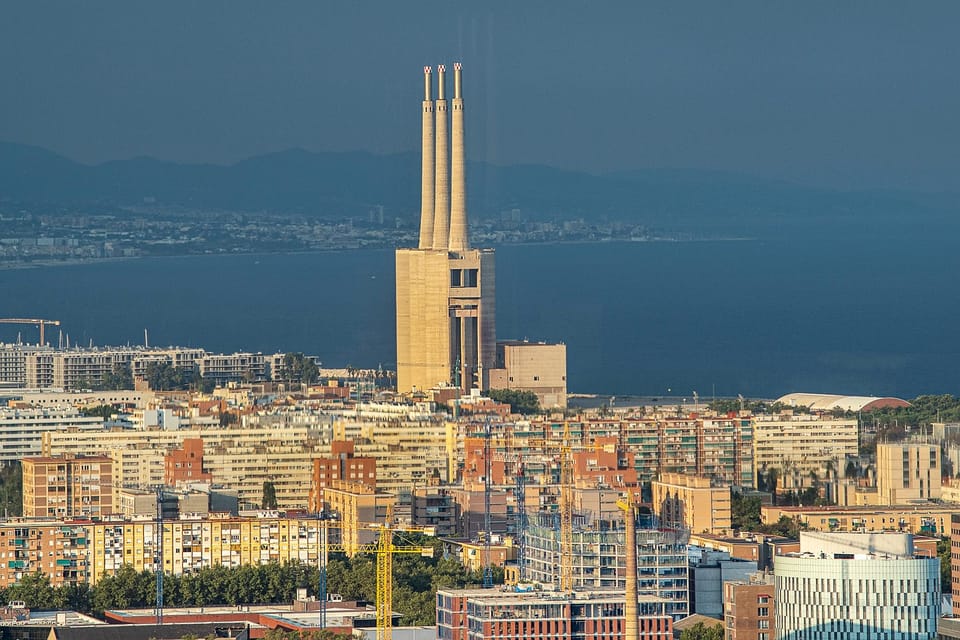
The technical report's most assertive point focuses on the maritime front. The Barcelona Metropolitan Area (AMB)'s PDUM proposes to consolidate coastal land under the STe (Technical Systems) urban classification. This would effectively perpetuate the presence of the Combined Cycle Power Plant, the TERSA incinerator plant, and the Ecoparc waste treatment plant.
Sant Adrià considers this decision unacceptable. The City Council formally demands the PDUM recognise this area as a Metropolitan Opportunity Area (AOM - South Besòs). Its strategic objective is to plan a radical urban transformation of the sector. The municipality also wants to set a firm deadline for the progressive disappearance and dismantling of these facilities by 2050.
Demanding Coastal Transformation
The City Council insists the land should be reclassified to open the coastline to residents. This change would cleanly connect the maritime front with the rest of the region. The current plan, according to municipal architects, risks perpetuating past grievances.
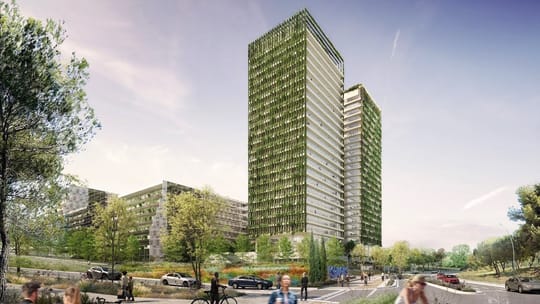
The PDUM also proposes a "mixed-use fabric" model for traditional industrial estates in the area, such as Montsolís and South Badalona. This model would introduce a significant percentage of housing, between 15% and 35%, into these industrial zones. Sant Adrià, however, aims to revolutionise its Montsolís industrial estate. It seeks to end logistical chaos and instead focus on Industry 4.0.
Rethinking Industrial Estates
The report from Sant Adrià's municipal architects raises concerns about diluting the productive fabric. The City Council argues for protecting land designated for high-value-added economic activity. The objection highlights the importance of safeguarding these strategic sectors instead of hastily converting them into residential areas. It also stresses the need to coordinate planning with imminent local developments. These include future headquarters and implementations by the textile giant Inditex, a key project for generating skilled employment near the Besòs river.
In environmental matters, Sant Adrià welcomes the classification of the Besòs river's left bank as a Park of Socio-Environmental Interest. However, it deems this insufficient. Municipal technicians demand extending this green corridor further into the urban interior. This expansion would incorporate adjacent land, such as the Rambleta promenade and the current Tennis Club. They propose assigning a transitional classification to the Tennis Club. This would protect its current activity but guarantee its future transformation into a public green space.
Expanding Green Spaces and Fixing La Mina
The social aspect of local urban planning also appears in the demands. The City Council identified an error in the Residential Urban Regeneration Area's delimitation. The PDUM had inexplicably excluded a block of residential buildings in the La Mina Vella neighbourhood. This block sits between Gregal, Mar, Manuel Fernández Márquez, and Ronda de Sant Ramon de Penyafort streets. The municipal objection demands its immediate inclusion. It reminds the AMB that this area suffers identical socio-cultural and housing intervention needs as the rest of the sector.
Finally, the City Council focuses its demands on major mobility infrastructure that fragments the municipal map. The C-31 motorway currently acts as an asphalt scar, segregating neighbourhoods. While the PDUM theoretically agrees on the need to transform it into a "metropolitan avenue" with surface public transport and pedestrian crossings, it relegates this work to a "gradual" character in its annex documents.
Prioritising C-31 Motorway Integration
Sant Adrià has taken a firm stance on this point. The technical report demands that the pacification and integration of the C-31 acquire a priority and binding regulatory character. For the municipality, ending urban isolation cannot wait for the metropolis's long-term agendas. It must be a preferential action for reasons of social cohesion and urban justice. These changes would significantly improve the quality of life for residents in Sant Adrià de Besòs, a municipality of over 36,000 people.
The Barcelona Metropolitan Area now faces the decision of whether to address Sant Adrià de Besòs's technical appeal. Alternatively, it could maintain a model that, in the municipality's view, perpetuates past injustices. This decision will shape the future urban and environmental landscape of the South Besòs area for decades.
Come and join our Barcelona English Speakers community on WhatsApp.
Originally published by Metrópoli Abierta - Urban Life. Read original article.