Connecting Waste with New Uses
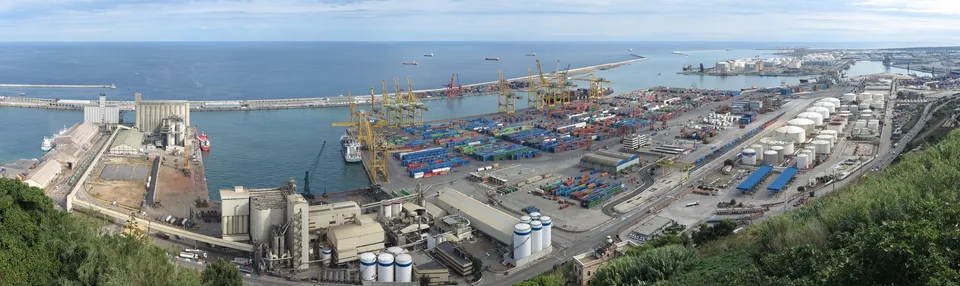
More than 40 companies operating in and around the Port of Barcelona are participating in a new circular economy initiative called DELTA, part of the CIRCULARS programme promoted by the BCN Port Innovation Foundation. The project aims to identify and redirect plastic waste from logistics and maritime operations into reusable raw materials for other industries. A comprehensive study, conducted with consulting firms inèdit and Símbiosy, has mapped the volume, condition, and destination of plastic flows within the port ecosystem. It identifies both waste generators and potential recipients, fostering industrial symbiosis where one company’s discarded material becomes another’s input. Among the materials identified for reuse are plastic wrapping used in cargo handling and heavy-duty tarpaulins employed in naval protection, both of which show strong potential for demand in secondary manufacturing sectors.
Local Recycling Plant and Training Proposed
Following the publication of the study and a networking event held last week at the World Trade Center Barcelona, the foundation is considering the establishment of a local plastic valorization plant within the port. This facility would focus initially on polyethylene and polypropylene, processing waste through sorting, shredding, and washing to prepare it for reintroduction into local value chains. The foundation also plans to launch technical training for companies in 2027 to improve source separation of plastics, a key obstacle identified in the study. The initiative is supported by a grant from the Catalan Waste Agency (Agència de Residus de Catalunya), reinforcing its public-private collaboration model.
What is waste for one company can be a valuable raw material for another
This principle underpins the DELTA project, which is designed to reduce landfill reliance, lower transport emissions by keeping material flows local, and support sustainability goals across the port’s industrial network. The CIRCULARS programme builds on the Port of Barcelona’s broader New Latitude open innovation strategy, which targets environmental and operational challenges in areas including the circular economy, green digital corridors, and port integration with natural ecosystems.
Sources: El Periódico, portdebarcelona.cat.