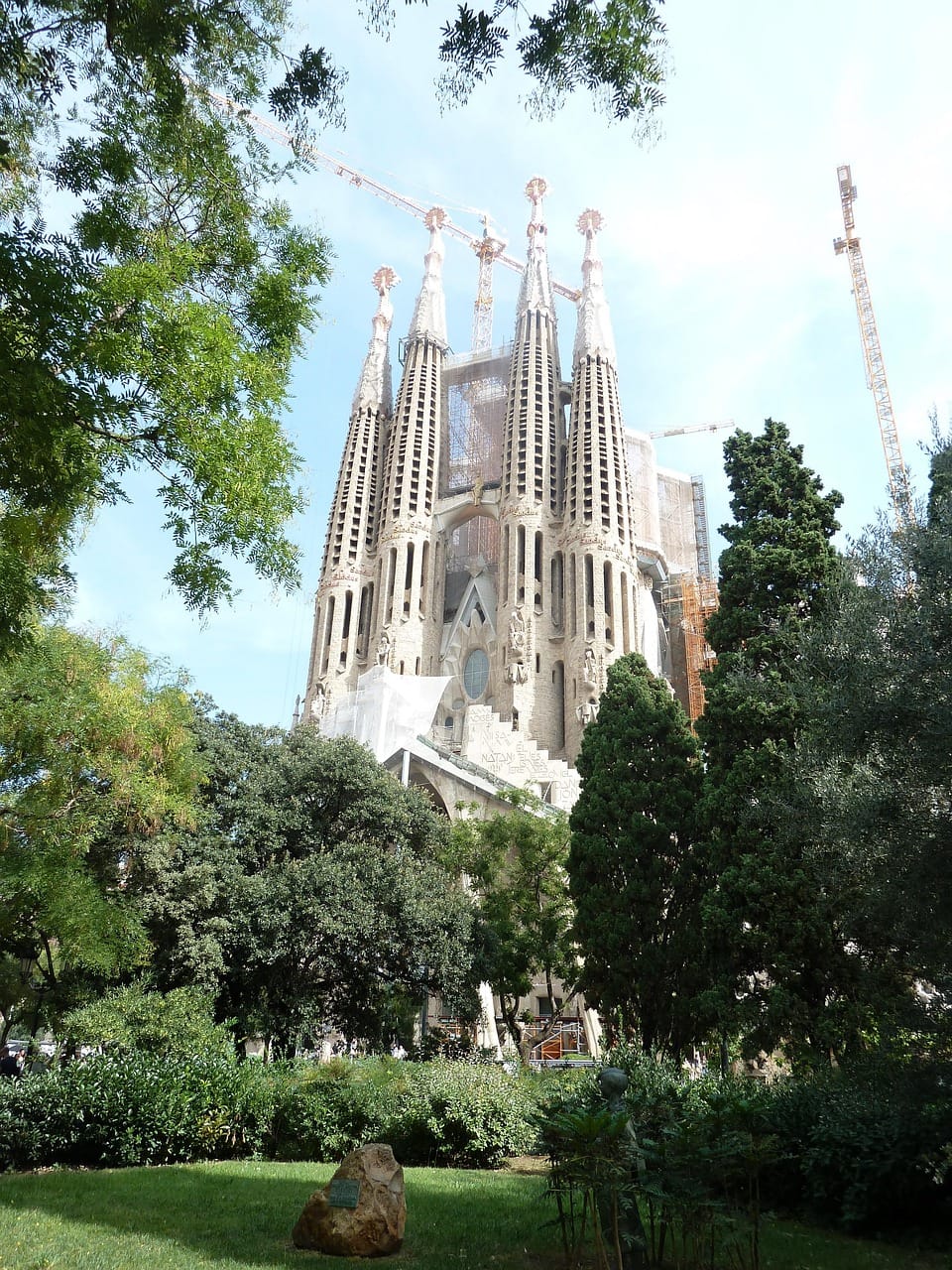
Miquel Barceló, the acclaimed artist, has opened his first commercial exhibition in Barcelona since 1992. He simultaneously revealed his profound aspiration to dedicate 15 years to designing the Sagrada Família's Glory Façade. His new show, "Gravats de Barcelona" (Barcelona Engravings), is now on display at Artur Ramon-Espai d’Art on Bailèn, 17.
Barceló, known for his diverse artistic practice, described this ambition as the peak of his career. "My whole life as an artist has been a preparation for this," he stated, referring to the monumental task. The exhibition features a range of works. These include etchings, Chinese ink drawings, watercolours, and pieces created with drypoint and sulphuric acid. Prices for the exhibited works range from 6,000 to 20,000 euros.
The artist, who will turn 70 next January, believes he possesses the necessary health and drive to undertake the 15-year project. This would see him complete the Glory Façade at 85 years old. The Sagrada Família, Antoni Gaudí's unfinished basilica, is one of Barcelona's most iconic landmarks. It attracts millions of tourists and holds deep cultural significance for residents. The Glory Façade faces Carrer de Mallorca. It is intended to be the largest and most important of the basilica's three main façades, symbolising humanity's journey to God.
Barceló's Diverse Artistic Endeavours
Barceló's current exhibition showcases his mastery across various mediums. He also recently completed three large tapestries for three chapels on the left side of the entrance to Palma Cathedral. These tapestries depict scenes such as Noah in his ark, Elijah in his chariot, and the Judgement of Solomon, notably without a sword. The Manufacture Royale des Gobelins, a historic French workshop founded in 1601, is currently weaving these pieces. They are expected to be ready in a couple of years. Barceló expresses deep satisfaction with these works.
He sees no fundamental difference between painting and sculpture. "They are the same for me," he explains. Currently, he is enthusiastically working on a 10-metre high ceramic mural in his workshop. Barceló maintains that he creates art out of an "intimate need" to do so. He prefers to keep further details of his ongoing projects a mystery.
Philanthropy and Connection to Nature
Beyond his studio work, Barceló has engaged in philanthropic efforts. He previously opened wells and dispensaries in Mali's Dogon Country. However, he no longer travels there due to safety concerns. The artist now spends much of his time on his farm in Cabo Farrutx, Mallorca. He lives surrounded by animals including dogs, pigs, cows, and donkeys.
Barceló shared a personal anecdote about his relationship with animals. He once hunted and ate many animals, including thousands of octopuses. About 30 years ago, he read about the intelligence of octopuses. This knowledge deeply moved and impressed him. It led him to stop hunting them entirely. Today, he only paints octopuses.
Caves, Prehistoric Art, and Artistic Philosophy
Entering caves, diving, and swimming are among Barceló's favourite activities. He continues to explore caves, reflecting on their profound impact. He draws a parallel between his childhood experiences in caves on his finca and Antoni Gaudí's inspiration from natural formations in mountains like Montserrat. Barceló is now passionate about prehistoric cave paintings. He visits them frequently and considers himself almost a specialist in the field.
He references Pablo Picasso's observation that "painting has not stopped declining since Altamira." Barceló finds it striking that the oldest art, dating back 46,000 years, appears the most advanced. This, he argues, demonstrates that all art remains contemporary. He rejects the use of military terminology, such as "avant-garde," in art criticism. He states it is "ridiculous" because "there is no progress in art." For Barceló, art defines what it means to be human. This explains its deep connection to funerary practices and humanity's awareness of death.
Looking Ahead to the Sagrada Família
Miquel Barceló remains optimistic about his future artistic contributions. He feels well and healthy, confident in his ability to undertake the demanding 15-year project for the Sagrada Família. He envisions himself going to his workshop every morning, "until the very last" day. "Artists are not good for anything else!" he asserts.
He expresses a deep desire to continue creating for the rest of his life. He states he would "pay with everything" he owns to do so. In the evenings, he enjoys walking his dog with his wife, swimming, and reading late into the night. Barceló's vision for the Sagrada Família's Glory Façade represents a potential monumental addition to Barcelona's architectural and artistic heritage. This project could define the later years of his distinguished career.
Sign up for our new entrepreneurs community Bizcelona, now accepting our second wave of applicants.
Originally published by La Vanguardia Catalonia. Read original article.