Barcelona City Council plans a major aesthetic overhaul for La Rambla. The council aims to unify all terrace furniture and parasols by February 2027. This initiative seeks to restore the iconic 1.2-kilometre promenade for residents. It also aims to enhance its overall appearance as a central artery of the city.
The plan introduces strict new regulations for the numerous outdoor dining areas along the popular thoroughfare. All parasols must be cream-coloured and of a uniform height, creating a consistent visual line. Establishments will choose from two approved table models and four specific chair designs. These must be made of polypropylene to reduce noise and improve durability.
The rules also stipulate four discreet colour tones for cushion and cover fabrics, prohibiting any patterns or bright designs. The council will ban all advertising on terrace furniture, allowing establishment names only on authorised blackboards. This marks an end to sponsored chairs, tables, and umbrellas, aiming for a cleaner, less commercialised look.
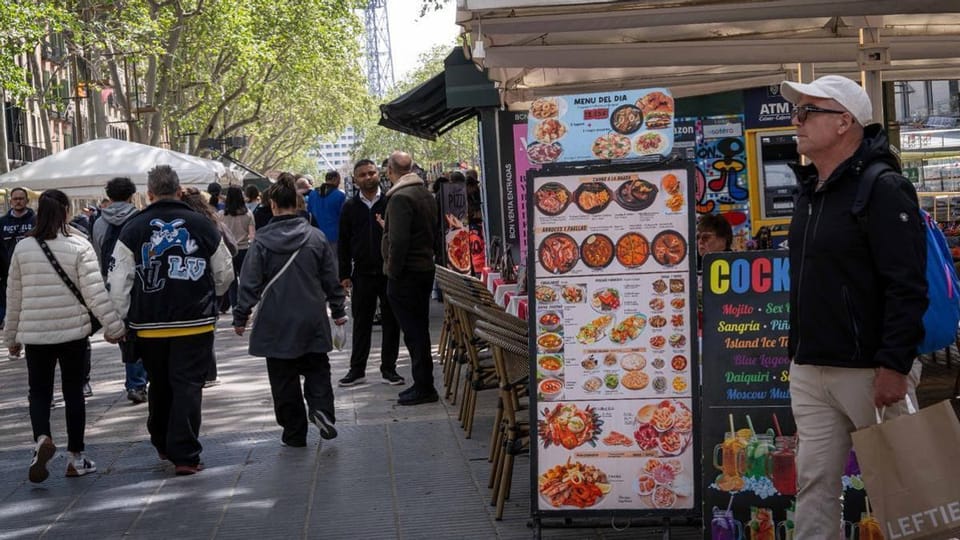
The City Council's decision comes amidst ongoing public debate about the commercialisation and tourist-centric nature of La Rambla. Many residents feel disconnected from the promenade, which once served as a central social hub for Barcelona. The current diverse and often cluttered appearance of terraces has drawn criticism. Their varied styles and colours contribute to a "visual chaos" along the historic street.
Unifying La Rambla's Aesthetic
The new regulations aim to create a more cohesive and visually appealing public space. By standardising furniture and colours, the council hopes to improve the flow for pedestrians and reduce the visual clutter that currently characterises parts of the promenade. This move is part of a broader effort to revitalise the area, which attracts millions of visitors annually.
The initiative also implicitly addresses concerns about the quality of offerings on La Rambla. While the regulations focus on aesthetics, the source article suggests that simply removing "atrocious paella photos" will not improve the actual quality of food or drinks. Critics argue that these superficial changes might not encourage locals to return to a boulevard they feel excluded from due to mass tourism and low-quality offerings.
Addressing Public Concerns
The plan seeks to transform La Rambla from what some perceive as a "graveyard of good taste" into a more orderly and pleasant environment. However, some observers express skepticism about the long-term effectiveness of purely aesthetic measures. They question whether the changes will truly deter the "trickery" and "flea market culture" that has taken root without consistent enforcement by "terrace police."
The council expects these changes to help contain the current disorder and improve the overall experience. The goal is to make walking along the plane tree-lined avenue a more enjoyable experience, reminiscent of its past. For years, the sheer volume of visitors and the commercialisation have made it challenging for locals to simply "ramble" through the area, turning it into a chaotic "pinball machine."
Future of the Iconic Promenade
The full implementation of these terrace standardisation rules is set for February 2027. This gives businesses along La Rambla ample time to adapt their outdoor setups to meet the new requirements. The success of this aesthetic operation will depend on its ability to not only improve visual harmony but also to foster a renewed sense of ownership among Barcelona's residents, encouraging them to reclaim this vital public space.
Sign up for our new entrepreneurs community Bizcelona, now accepting our second wave of applicants.
Originally published by El Periódico Barcelona. Read original article.