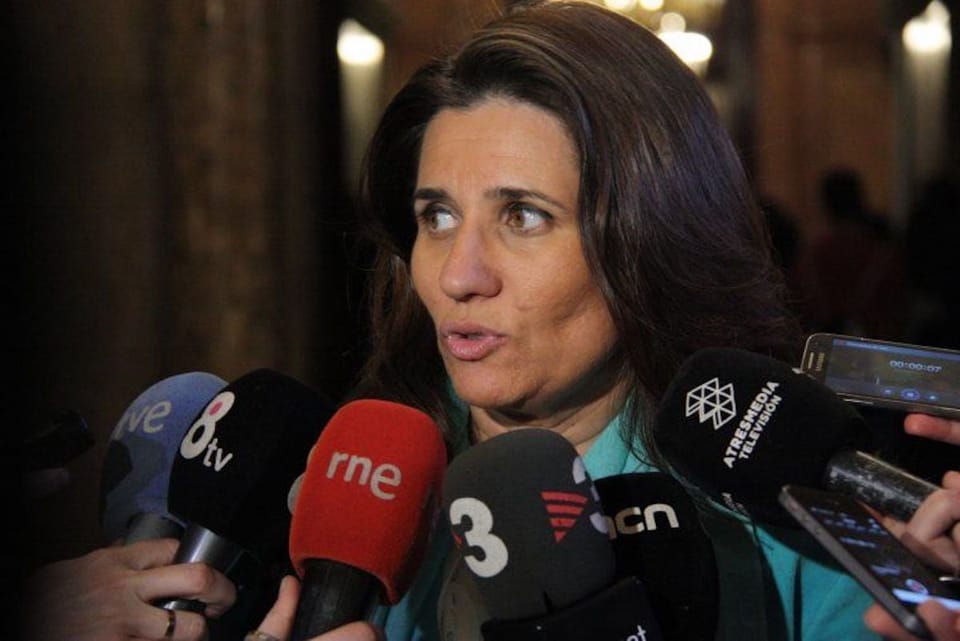
Gemma Calvet, a lawyer and former Republican Left of Catalonia (ERC) MP, has entered the race to become Barcelona's ombudsman. She confirmed her candidacy to Tot Barcelona, along with political and social sources. The current ombudsman, David Bondia, will complete his term next September and seeks re-election.
The government of Mayor Jaume Collboni started the selection process for the new Barcelona ombudsman on 16 March. Calvet stated that several city entities proposed her for the role. However, she did not specify which organisations put her name forward.
Barcelona's ombudsman is a critical independent office. It defends citizens' rights against the local administration. This role ensures accountability and transparency within the City Council.
Calvet's Extensive Public Service Background
Born in Barcelona in 1966, Gemma Calvet served as an independent Member of Parliament for ERC between 2012 and 2015. During her time in the Catalan Parliament, she chaired the Justice and Human Rights Commission. She holds a Law degree from the Autonomous University of Barcelona (UAB).
From 2015 to 2023, Calvet directed the Transparency Office of the Barcelona Metropolitan Area (AMB). Her long professional career also includes work as a criminal defence lawyer. This experience provides a strong foundation for the ombudsman role.
Calvet has previously sought other high-profile public positions. In 2019, the Popular Unity Candidacy (CUP) proposed her for the Catalan ombudsman role. This position was to replace Rafael Ribó. She later withdrew her candidacy due to a lack of cross-party agreement in the Catalan Parliament. Esther Giménez-Salinas, a Doctor of Law, currently holds that office. More recently, Calvet was a finalist for the director of the Catalan Anti-Fraud Office. However, the Catalan Parliament appointed Josep Tomàs Salàs Darrocha to that post.
Barcelona Ombudsman Selection Process
The process to choose Barcelona's new defender of citizens is extensive. Entities registered in the Register of Municipal Entities by 31 December 2025 could propose candidates. This proposal period ran from 16 March until 18 May.
After the candidate submission period ends, the City Council will announce the names. Barcelona residents can then support a candidate through a participatory voting process. This public vote will take place throughout June, from the 1st to the 30th.
Mayor Collboni initially dismissed the idea of a participatory process. He noted it was not included in the Regulations of the Barcelona Ombudsman's Office. However, previous administrations under Mayor Ada Colau included such public participation. Over 7,000 people voted in 2016, and just over 3,000 in 2021.
Barcelona en Comú, a municipal political group, proposed reinstating these public votes. The municipal commission approved the initiative. Deputy Mayor Maria Eugènia Gay initially stated the government would not comply. She argued that opposition proposals are not binding for the government. Mayor Collboni eventually reversed his decision. He accepted the inclusion of the participatory process.
Final Decision Rests with City Council
Neither the entity proposals nor the public support are binding on the City Council. The City Council plenary will ultimately decide who occupies the ombudsman's office from 2026 to 2031. The Mayor will propose a name after meeting with the municipal groups.
This nominee must receive support from two-thirds of the plenary. This means 27 of the 41 councillors must vote in favour. The ombudsman plays a vital role in ensuring good governance for Barcelona's 1.6 million residents.
Sign up for our new entrepreneurs community Bizcelona, now accepting our second wave of applicants.
Originally published by Tot Barcelona. Read original article.