The Diputació de Barcelona has approved a significant €10.5 million funding package. This will help six municipalities manage their "Pla de Barris" (Neighbourhood Plan) projects until 2030. This investment aims to improve urban, environmental, and social conditions across these areas, directly impacting thousands of residents.
The six beneficiary municipalities are Manresa, Mataró, Sant Joan Despí, Santa Coloma de Gramenet, Santa Perpètua de Mogoda, and Vic. This financial and technical support helps them develop projects. These projects "dignify neighbourhoods," according to Gemma Badia. She is the delegated president of the Urban Planning, Housing, and Urban Regeneration Area and a PSC deputy.
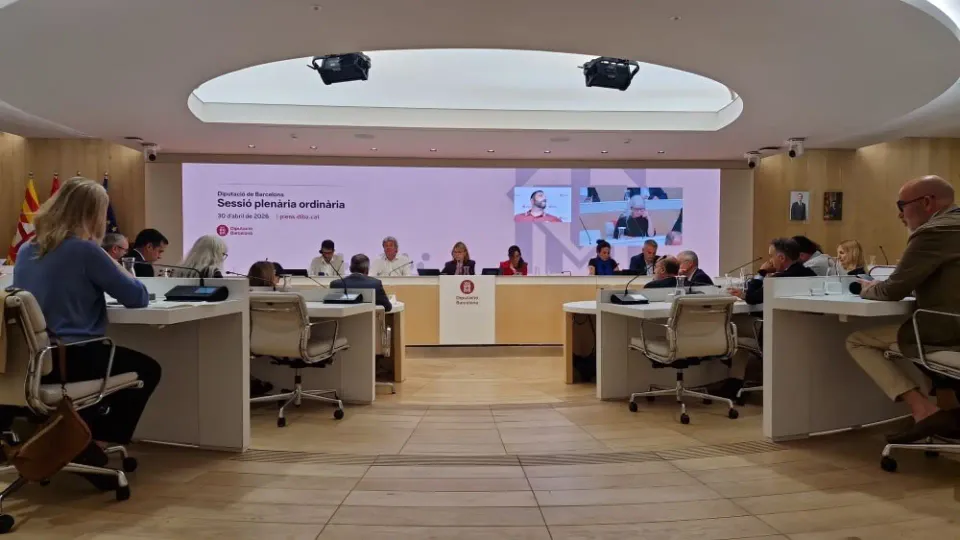
Ms Badia stated after the April plenary session that the funding continues the plan's core philosophy. This ensures "the urban, environmental, and social dignification of neighbourhoods." The Generalitat's Pla de Barris seeks to address inequalities and improve living standards in vulnerable urban areas across Catalonia.
Boosting Neighbourhoods with €10.5 Million
The €10.5 million allocation will strengthen the technical, administrative, and organisational structures within the recipient councils. This support is crucial for developing their "Programmes Memory of Integral Intervention (PMII)." These PMII documents outline specific improvements needed in particular neighbourhoods. They are also an essential requirement for municipalities to receive further funding from the Generalitat under the broader Pla de Barris initiative. Without these detailed plans, access to regional government support would be impossible.
Diputació Leads Regional Support
The Diputació de Barcelona is the first Catalan deputation to offer this specific type of direct support to municipalities for the Pla de Barris. This move highlights its commitment to local urban regeneration. Ms Badia also announced that the Diputació is already preparing a "second batch" of funding. This future allocation will support new calls under the "Llei de Barris" (Law of Neighbourhoods). This indicates a long-term strategy for urban improvement. This continuous investment helps ensure sustained development in areas needing it most.
Funding Breakdown and Key Recipients
The €10.5 million divides into two distinct funding lines. Approximately €4.5 million will cover the routine operational expenses for local offices and staff. These teams manage the plan from 2026 to 2030. The remaining €6 million provides specific, adaptable resources tailored to each municipality's unique needs during the first three years of the programme. Santa Coloma de Gramenet, a city in the Barcelona metropolitan area with over 120,000 residents, receives the largest individual contribution at €2.48 million. Mataró follows with €2.3 million, Vic with €2 million, and Manresa with €1.9 million. Sant Joan Despí will receive €1.09 million, and Santa Perpètua de Mogoda €642,000.
Conditions for Implementation
These six councils must formally accept the programme's resources by 1 June 2026. This deadline ensures timely commitment to the projects. All planned urban, environmental, and social actions must finish by 31 December 2030. This timeline provides a clear framework for project execution and accountability. The funding aims to create lasting positive change within the designated neighbourhoods.
Plenary Session Debates and Political Divisions
During the same April plenary session, deputies also debated three institutional declarations. However, they could not approve these unanimously. One declaration marked the International Day against LGBTI-phobia. Another concerned Europe Day. A third, urgent declaration expressed support for the Global Sumud Flotilla. This support was prompted by the detention of some of its members by the Israeli Army earlier that morning. The inability to reach unanimous agreement on these issues highlighted existing political divisions within the Diputació.
Procedural Challenges and Apology
The sole Vox deputy's dissenting vote prevented unanimous approval of the declarations. This forced them to proceed as motions, requiring a simple majority. Other political groups criticised this procedural hurdle. They noted that before Vox's representation, unanimous approvals were common despite ideological differences. The Global Sumud Flotilla support motion was presented unusually as a request by the Comuns parliamentary group. Deputy Aïda Llauradó justified this deviation by citing the "urgency" of the situation. The motion ultimately passed with votes from PSC, ERC, Comuns, and Tot per Terrassa. Vox and PP voted against it, while Junts, Junts per Igualada, and Impulsem el Penedès abstained. The abstaining groups argued against bypassing standard procedure, even with urgent circumstances. Plenary President Lluïsa Moret apologised for the voting process. She accepted full responsibility, stating, "We must follow the rules, but sometimes we need to compromise the rule for the dignity of human rights." This incident shows the complexities of political consensus in local governance.
Come and join our Barcelona English Speakers community on WhatsApp.
Originally published by 20 Minutos Barcelona. Read original article.