
ACCO warns of reduced mobility and innovation
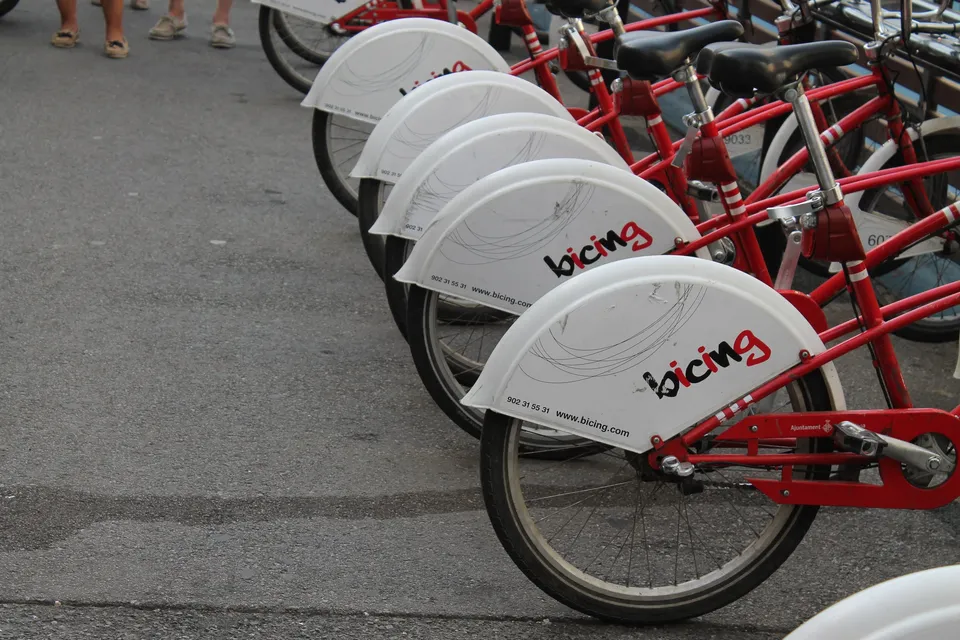
The Catalan Competition Authority (ACCO) has called for the preservation of private shared bicycle services in Barcelona, warning that eliminating them would reduce mobility options and weaken incentives for innovation, quality and fair pricing. In a document published this week, ACCO stated that ending licences for private operators in 2027, as proposed by Mayor Jaume Collboni, would remove competitive pressure on the municipal Bicing service. ACCO stressed that expanding Bicing alone would not compensate for the loss of competition, as it would fail to preserve the benefits brought by multiple providers. It also highlighted concerns over competitive neutrality, noting that Barcelona City Council acts both as regulator and owner of Bicing. This dual role, the authority said, requires "special caution" to prevent regulatory decisions from unfairly favouring the public operator.
Operators seek two-year extension
Seven private operators currently active in Barcelona, Bird, Bolt, Cooltra, Donkey Republic, Lime, RideMov, and Voi, have welcomed ACCO’s position. In a joint statement, they advocate for "better regulation" and dialogue with the council. The companies have requested a two-year extension of their current licences, granted in late 2024 and due to expire in 2026, to ensure service continuity while a new regulatory model is developed. They argue that a more structured framework is needed, with improvements in parking control, fleet management, and service quality to ensure coexistence with other public space users. The operators maintain that Bicing and private services can complement each other.
Council cites repeated breaches
Barcelona City Council has defended its decision not to renew the licences, citing repeated failures by operators to meet concession conditions and their impact on public space. Municipal sources report that since January 2025, 7,195 fines have been issued and 2,683 bikes, out of a total fleet of 3,500, have been removed by city tow trucks for obstructing pathways. The council says these figures, including record monthly fines over the summer, justify its position. Despite this, ACCO insists that any move to block private operators must be justified by necessity and proportionality, and must consider less restrictive alternatives first. The authority’s full assessment was published on 26 October 2026 (available here).
Sources: El País, El Periódico, betevé, Ara.