Reopening Expected by Year-End
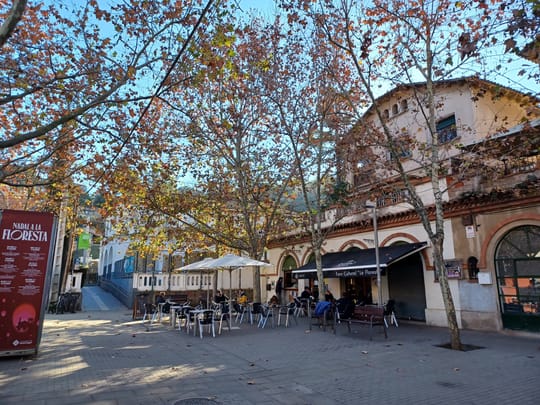
After nearly eleven months of closure due to African swine fever (ASF), the Collserola Natural Park will reopen in a controlled, gradual manner before the end of 2026, Catalan Agriculture Minister Òscar Ordeig has confirmed. The decision follows a significant decline in virus circulation, with only one new positive case detected in recent weeks, all linked to animal remains rather than live carriers.
Final Phase of Containment
Since the outbreak began, authorities have culled approximately 13,376 wild boars, reducing animal density in the core zone from 20 per square kilometre to under one. Ordeig stated that the virus is no longer actively circulating, describing the current phase as the final stretch of eradication. "We are about to finish," he said, noting that Spain has acted faster than any other EU country, with 350 perimeter closures and €100 million invested in operations.
"If we rush now, we could return to square one."
The reopening will not be immediate or uniform. Instead, it will involve a staggered rollout with designated safe corridors, coordinated with local mayors. Ordeig emphasized that the timing is determined by European, national, and Catalan regulations, not political pressure.
Support for Affected Businesses
The closure has impacted local economies, particularly in areas like Vallvidrera. In response, the Catalan government has approved a €10 million aid package for businesses in restricted zones, with eligibility based on a demonstrated 30% drop in 2026 revenue. Applications will open in February 2027. A separate €50 million subsidised credit line through the Catalan Institute of Finance (ICF) is already available to support the pork sector.
- €10 million in direct, non-repayable aid
- Eligibility requires proof of 30% revenue loss
- Applications open February 2027
- €50 million in subsidised credit available via ICF
Long-Term Ecological Management
Ordeig also addressed broader environmental challenges, noting that decades of non-intervention have led to uncontrolled wildlife populations and disease risks. The government is promoting a revised hunting model through new legislation and is supporting farmers with tools for game management, including funding for tree protectors and wildlife removal services. The administration continues to assess the impact on rabbit populations, having conducted around 310,000 captures. Logistics centres for processing game meat exist but require expansion to improve commercial use and reduce waste.
Next Steps
Residents and businesses affected by the restrictions should prepare documentation of 2026 revenue losses ahead of the February 2027 application window. Further support measures may be introduced depending on ongoing assessments. Updates will be published via the ICF portal at www.icf.cat.
Primary sources: SHermosilla. Reported by lavanguardia.com, barna.news, ARA, Catalan News, beteve.cat, El País, La Vanguardia Barcelona.