One Dismantling Service Per Day Carried Out in 2025
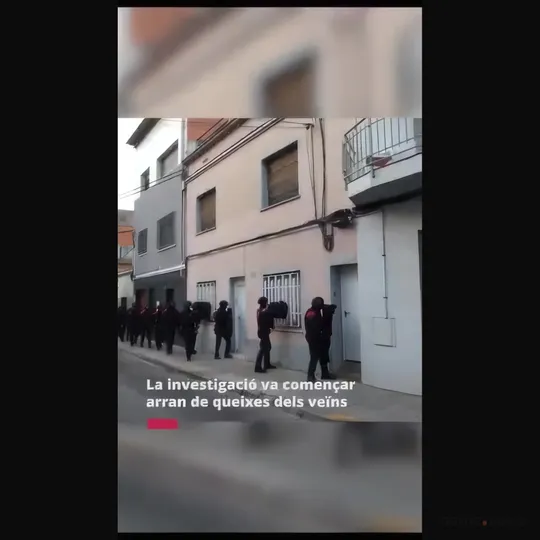
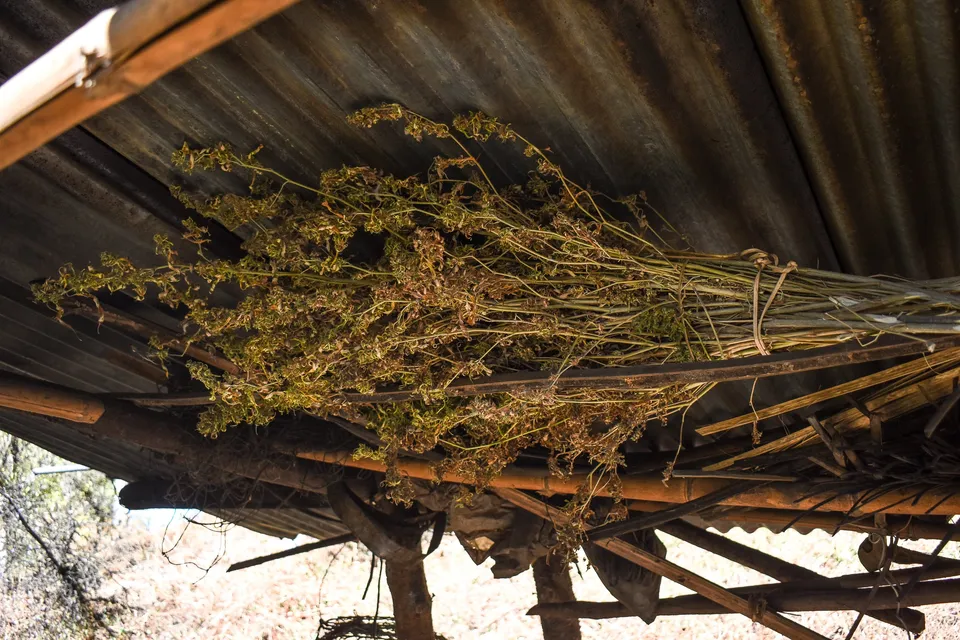
In 2025, an average of 1.72 services per day were carried out to dismantle marijuana plantations in Catalonia, amounting to 629 operations for the year. This equates to more than one service daily, or twelve per week, conducted by private gardening companies contracted by the Mossos d'Esquadra, the Catalan regional police. The work involves cutting, shredding, and packaging seized cannabis plants, a manual task outsourced to prevent police investigators from diverting time from core duties such as investigations, seizures, and arrests.
Contract Expansion Anticipates Increased 2027 Operations
According to a technical specification document published by the Generalitat’s Unitat de Gestió de Recursos [S4], the Directorate General of Police is preparing a new public tender for 2027 to maintain a capacity of 890 annual services, despite only 629 being executed in 2025. The projected budget for the contract is €802,756, including VAT, and is divided into four territorial lots to cover all of Catalonia. This figure reflects an expectation of increased police interventions in the coming years. The Mossos will retain responsibility for supervising operations, sealing containers, and transporting the processed plant material to police facilities or the Central Warehouse of Narcotic Substances in Barcelona.
- The first lot, covering Barcelona, Metropolitana Nord, and Metropolitana Sud, accounted for 278 services in 2025 (44.2% of the total).
- Metropolitana Nord alone recorded 184 services, the highest of any police region.
- Girona followed with 140 services, then Camp de Tarragona (85), Central (69), Terres de l’Ebre (38), Ponent (17), and Alt Pirineu i Aran (2).
2026 Activity Shows Sustained Demand
A partial tally for 2026, with data up to 4th May, recorded 113 dismantling services, averaging 6.38 per week, nearly one per day. The metropolitan area led again with 51 services, followed by Girona with 31. Together, these accounted for 72.6% of the total. Central, Ponent, and Alt Pirineu i Aran collectively accounted for 21 services, while Camp de Tarragona and Terres de l’Ebre made up the remaining ten.
The justification for the contract stems from an operational necessity: to prevent investigation units from having to undertake the manual tasks of cutting and dismantling plantations.
The administration states it lacks the specialised personnel and resources to carry out these tasks directly. Contracted companies must provide two operators per eight-hour shift, including tools, machinery, and travel.
Sources: Crónica Global, Zaira VP - Unitat de Gestió de Recursos.