Barcelona is still one of Catalonia’s most expensive places to buy a home, but the sharpest rises are now spread well beyond the city. In municipalities with more than 5,000 residents, housing prices have increased by nearly 63% on average between 2015 and 2025, according to Generalitat data compiled by ARA.
The figures show a housing crisis that is no longer limited to the Catalan capital or its immediate metro area. Prices have more than doubled in 12 local councils, with Badia del Vallès recording the biggest rise at 168.3%. A typical 81 square metre flat there, which cost €49,000 ten years ago, sold for €132,430 last year.
Other steep increases were recorded in Argentona, up 120.26%, Viella, up 112.39%, Arenys de Munt, up 110.61%, and Anglès, up 110.33%. Other municipalities where prices more than doubled include Llinars del Vallès, Montmeló, Esparreguera, El Masnou, Sant Cugat, Martorell and Esplugues de Llobregat.
Barcelona itself saw a 61.49% rise, slightly below the Catalan average. Even so, the city remains the third most expensive municipality for housing among those with more than 5,000 residents, at €4,797.02 per square metre. Sant Cugat del Vallès has now moved ahead of Barcelona into second place, while Sitges remains the most expensive at €5,378.43 per square metre.
Jaime Palomera, a researcher at the Barcelona Urban Research Institute (Idra), said the data points to “a territorial extension of residential pressure, rather than an exclusive concentration in the Catalan capital.” Ramon Bastida, director of the UPF-BSM Chair for Decent and Sustainable Housing, said the starting price matters when comparing rises, because a smaller percentage increase can still mean a very high final cost.
Experts also point to a wider pattern across Catalonia, where nearby towns are being pushed by demand from Barcelona and by pressure from their own regional centres. Luisa Fernanda Pinto, housing expert for the Barcelona Metropolitan Strategic Plan (PEMB), described Catalonia as “a territory of polycentric metropolises”, with places such as Granollers, Mataró, Sabadell and Vic shaping surrounding housing markets. The article also cites tourism pressure and second homes as factors behind price differences between municipalities.
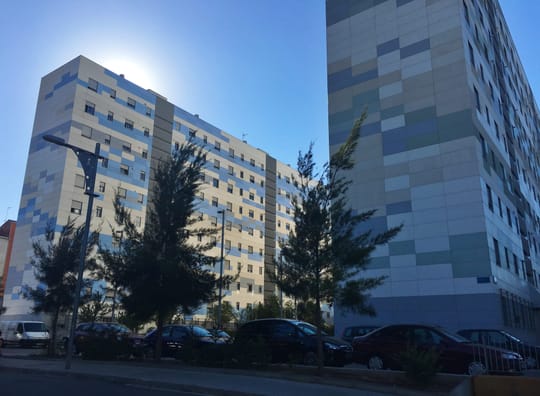
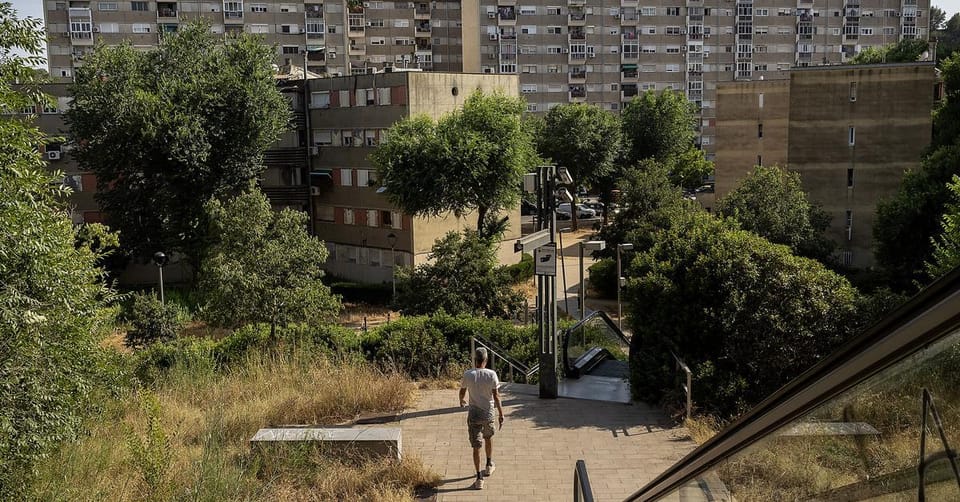
Badia del Vallès stands out for a different reason. The town was built entirely with protected housing, and most of those homes lost that status in 2023. It has little business activity, a population of just over 13,500, and a registered unemployment rate 70% higher than the regional average. The municipality says it wants to attract new residents, while Palomera says local dynamics, including population growth, household numbers, a lack of affordable housing and the use of homes as investment assets, help explain the rise.
For more Barcelona coverage, see our Community and Sport pages. You can also join our Barcelona English Speakers community on WhatsApp.
Originally published by Ara Cat. Read original article.