The future of Barcelona’s Transport Museum remains uncertain after the Associació Coordinadora Pro Museu del Transport filed an appeal challenging the city council’s decision to locate the facility in Vall d'Hebron, rather than the historic Palace of Communications and Transport on Montjuïc.
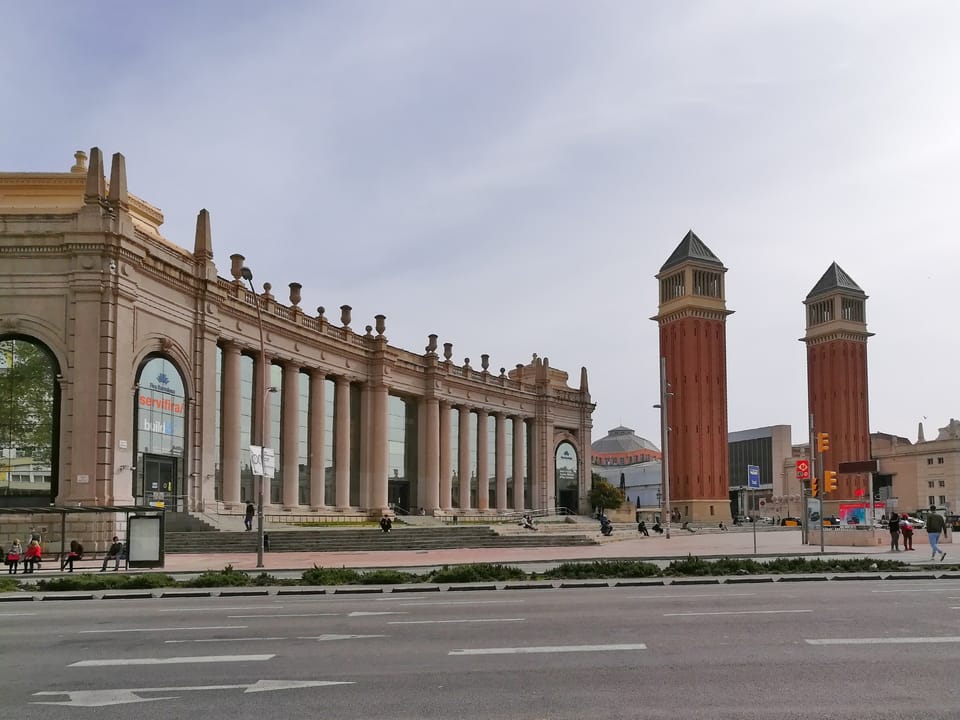
Almost eight months after the council unanimously approved the museum’s creation, disagreement persists over its location. The association insists the museum must be housed in the Palace of Communications and Transport, part of the Fira de Barcelona grounds which were granted a 50-year concession in March 2025. The building, which hosted a transport exhibition between 1929 and 1930, was “specifically built to exhibit large transport vehicles,” said Manuel Marina, a member of the coordinating committee. He added that the venue’s current use, open only 97 days per year, represents “very limited” public benefit.
The appeal, submitted to the City Council’s Economy and Finance Commission, demands the annulment of the March 2025 agreement that approved Fira’s long-term private use of the Montjuïc site. The campaigners argue this concession undermines a citizen initiative that later received unanimous plenary support. “It’s no longer about a museum or no museum; it’s about respecting what is unanimously decided in a Plenary Session,” Marina stated.
City Backs Vall d'Hebron Development
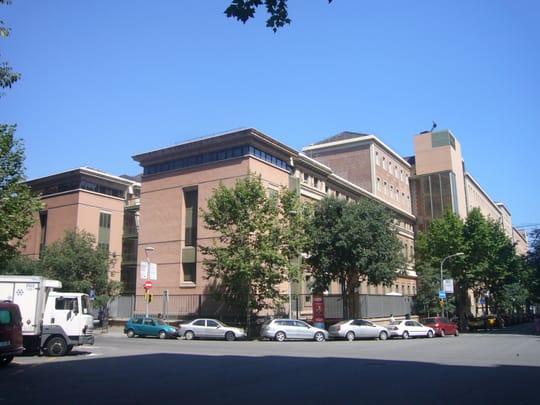
The city council maintains that the Palace of Communications is not a viable option, citing irreversible urban development plans for Montjuïc. A joint project with Transports Metropolitans de Barcelona (TMB) will instead focus on a 3,000-square-metre slab in Vall d'Hebron, an area also planned for hospital expansion and new public health facilities.
According to the council, the Vall d'Hebron location offers strong transport links via metro and bus, and presents an opportunity to regenerate the area. A working group including the association has been established, though the campaigners say they have received no concrete plans, reports or timeline for development.
“The transformation involving the expansion of Poble-sec with more than 500 new homes and urban and neighborhood facilities… went ahead.”
This refers to the broader redevelopment of the Montjuïc exhibition grounds, which includes a new Multifunctional Palace, redevelopment of the Alfonso XIII Palace into the future Palau de Congressos de Barcelona, and the Fira Barcelona Innovation Hub, projects set to begin in 2026 and finish by 2029, aligning with the centenary of the 1929 International Exposition.
Legal and Procedural Challenges Raised
The appeal also questions whether the Economy and Finance Commission had the authority to approve the 50-year concession to Fira de Barcelona, arguing no express delegation from the full council was made. The association claims the tender process lacked transparency, with the concession effectively awarded directly to Fira within the same agreement.
They are requesting the contract review process be restarted and that the city council commission an independent legal report from the Generalitat’s Legal Advisory Commission before proceeding.
Despite the impasse, the Barcelona City Council reaffirms its commitment to establishing the Public Transport Museum as a way to honour public demand and reflect on the city's transport heritage and social cohesion. For now, the association awaits the council’s response to its appeal before deciding on further action.
Primary sources: Barcelona City Council, historia.tmb.cat, noticies.tmb.cat, Ramon. Reported by elperiodico.com, firabarcelona.com, Judit Bertran, Anton Rosa, Toni Sust, Gala Torres, Carlota Serra, Recep Karaca, ÁRA, lavanguardia.com, El Periódico Barcelona.