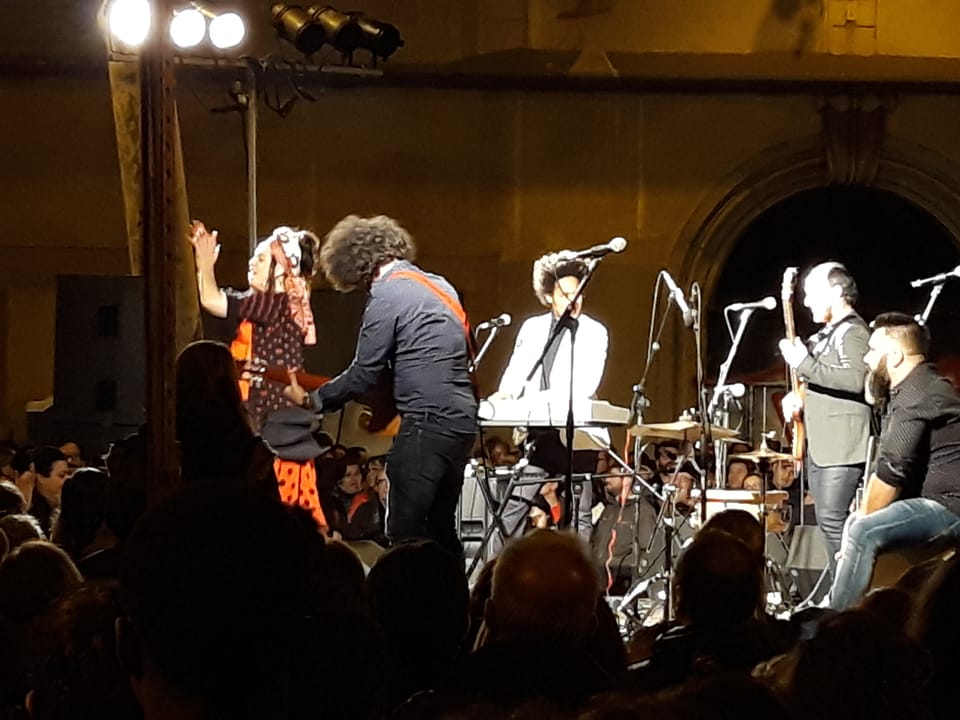
Barcelona’s vibrant rumba tradition is stepping into the international spotlight as efforts intensify to inscribe the genre on UNESCO’s Representative List of the Intangible Cultural Heritage of Humanity. The Platform for the Defence of Catalan Rumba has formalised an alliance with the Association Cap Gély Figuerolles from Montpellier, France, strengthening the bid with cross-border cultural collaboration.
International Push for Cultural Recognition
The partnership was sealed at the Museu d'Història de Catalunya, where Barcelona mayor Jaume Collboni and Montpellier mayor Michaël Delafosse met with cultural leaders including Rosa Pubill, daughter of rumba legend Peret, and Stéphane Hernandez 'Nano' of the French association. The agreement aims to prepare a joint candidacy ready for submission to UNESCO within three years.
According to Sicus Carbonell, president of the Fundació Sabor de Gràcia, the international dimension enhances the proposal's viability. The rumba emerged in the 1940s within Barcelona’s Roma communities in Gràcia, Raval and Hostafrancs, blending Cuban rhythms with flamenco and local traditions. It was declared a Cultural Heritage of Catalonia on 24 July 2015.
Resistance Over Name Sparks Tension
The Spanish Ministry of Culture has not formally objected to the term 'Catalan' in the application, but discussions have revealed resistance to the designation, according to Amadeu Valentí, president of the Platform for the Defence of Catalan Rumba. Valentí maintains that the label is essential:
The 'Catalan' distinction honours the creators and represents the philosophy of life of the Catalan Roma people. We will not give it up.
He described any attempt to remove the term as “mutilating art” and stripping identity from a music form born and developed in Catalonia.
Despite denials from the ministry of directly rejecting the term, the platform insists the adjective has become a de facto obstacle to national endorsement of the candidacy.
Dance Schools Keep Rumba Alive Locally
Beyond institutions and policy, rumba thrives in Barcelona’s dance halls. At Bailongu school in the Sagrada Família neighbourhood, instructor Ariadna Rojano teaches a form described as a “carefree sevillana” with strong flamenco posture and improvisational energy.
Anyone can dance rumba with just a minimum sense of rhythm, tapping feet and moving arms. It's festive, open, and connects with Mediterranean bodily knowledge.
Students like Loli Acebal, an Argentine-born art historian raised in Catalonia, say rumba feels innate.
When a rumba plays, the body moves on its own. I wanted to put technique into this way of dancing that is so ours.
Dance schools such as Gracia Flamenca, Ritmos Barcelona and U!Dance offer classes, though Cuban rumba currently draws more interest than the Catalan variant.
Reported by en.ara.cat, Marta Cervera, Marta Sánchez Iranzo, larazon.es, IR Autor, Amadeu Valentí Presidente de la Plataforma per la Rumba Catalana, Irene Casellas, Diari ARA.