Video: @secuenciasdeciencia, @crgenomica / IG
Investigating the link between flu and pneumonia
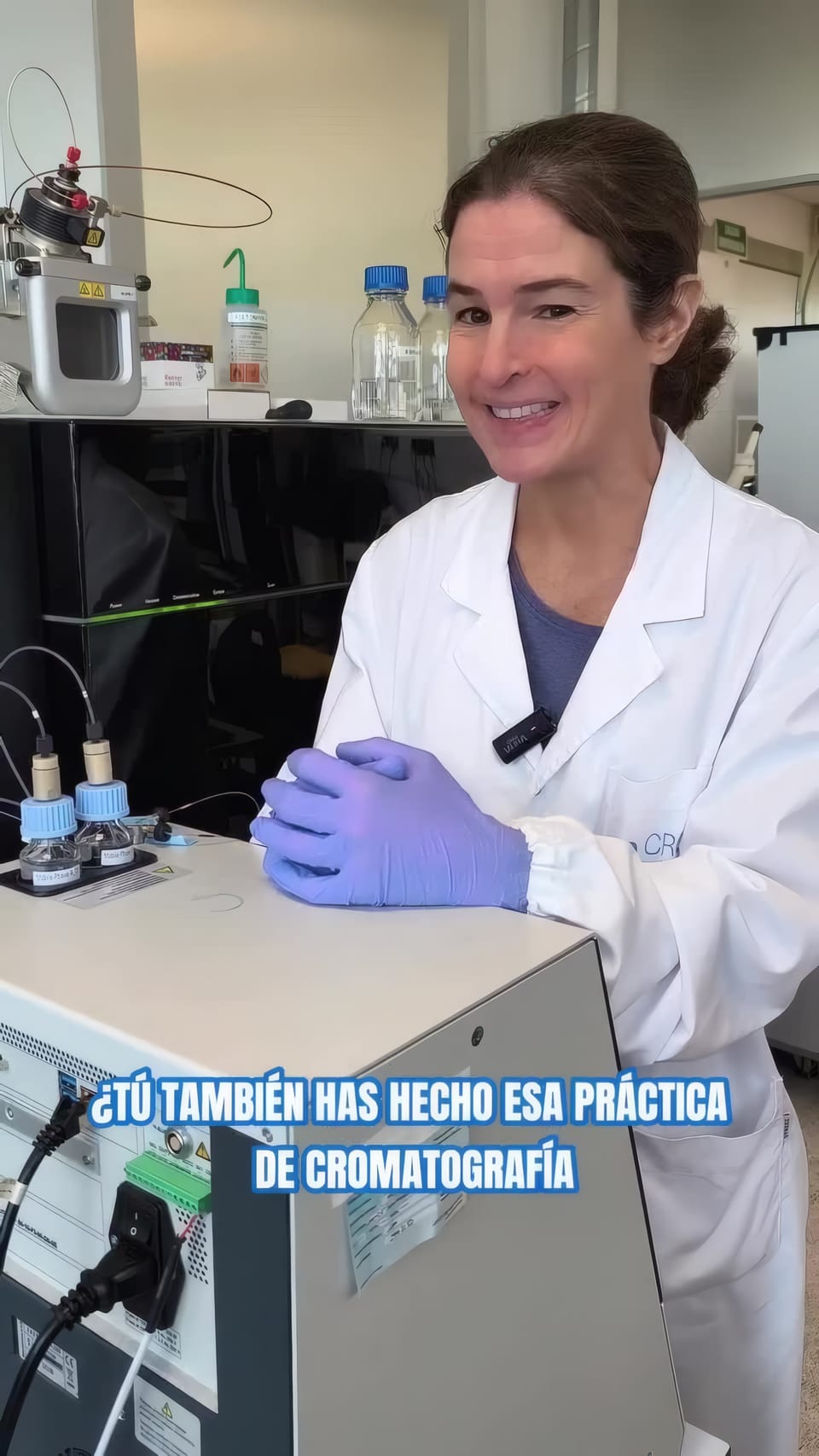
On Thursday 15 October 2026, the Centre for Genomic Regulation (CRG) in Barcelona announced it will lead a pioneering three-year study into why some influenza patients develop bacterial pneumonia, a dangerous complication that can be fatal. The project, led by biochemist and cell biologist Mónica Bettencourt-Dias, director of the CRG, has received nearly €1 million in funding from the CaixaResearch Health Research call 2026 of the 'la Caixa' Foundation. The funding is part of a larger €2 million allocation for two biomedical projects at the CRG.
Focus on airway cilia
The research will focus on microscopic hair-like structures called cilia, which line the respiratory tract and help clear mucus and pathogens. Preliminary findings suggest the flu virus directly damages these cilia, weakening the body’s first line of defence and potentially enabling secondary bacterial infections such as pneumonia. Scientists will investigate how and when the virus destroys cilia, using lab-grown respiratory tissue models and animal testing. They will also analyse samples from 100 patients to determine whether the extent of cilia damage can predict pneumonia risk.
We want to understand if protecting cilia can prevent bacteria from taking hold after the flu virus has weakened the airways,
said Bettencourt-Dias.
Collaborative international effort
The project brings together three research teams:
- Bettencourt-Dias’s team at the CRG, focusing on cell biology;
- Dr Maria João Amorim’s group at the Católica Biomedical Research Centre in Portugal, studying how the flu virus behaves inside cells;
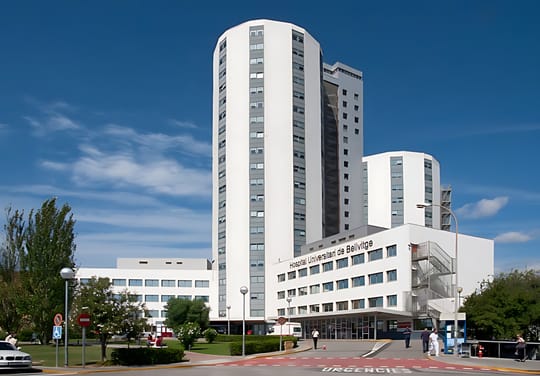
- Dr Juan Pablo Horcajada’s team at the Hospital del Mar Research Institute in Barcelona, validating findings in clinical settings.
This multidisciplinary approach combines molecular biology, virology, and clinical medicine to build a complete picture of post-flu complications.
Long-term medical impact
Currently, doctors cannot predict which flu patients are likely to develop pneumonia, limiting preventive care. If successful, this research could lead to diagnostic tools that identify high-risk individuals and inform early interventions. The findings may also support the development of new therapies aimed at preserving cilia function during influenza infection, potentially reducing hospitalisations and deaths. What this means for you: The study is ongoing and not open to public participation. Results are expected within three years. Updates will be published via crg.eu.
Reported by elperiodico.cat, crg.eu, elperiodico.com, ciencia.ucp.pt, mediahub.fundacionlacaixa.org, hospitaldelmar.cat, El Periódico (CA).