Historic market opens in Cathedral Square
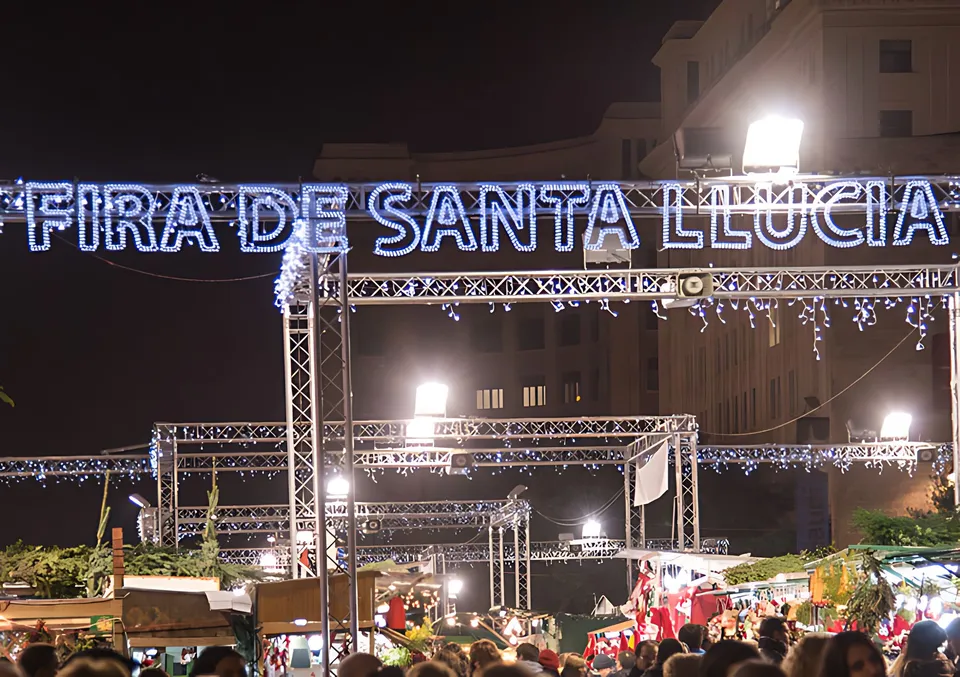
The Fira de Santa Llúcia, recognised as Spain's oldest Christmas market, will take place from Friday 27th November to Wednesday 23rd December 2026 in Barcelona’s Gothic Quarter, according to the Generalitat's Cultural Agenda. The 240th edition of the fair will occupy the Plaça de la Catedral and surrounding streets, including Carrer dels Comtes, Carrer de la Pietat, Carrer del Bisbe and Carrer de Santa Llúcia, as confirmed by the Department of Culture. Visitors can access the market for free daily from 10:00 AM to 9:00 PM. The event is organised by the Associació Fira de Santa Llúcia in collaboration with the Ajuntament de Barcelona (Barcelona City Council), with support from the regional government.
Over 200 stalls selling traditional crafts
More than 200 stalls will offer festive goods, with the previous edition featuring 215. Artisans will sell nativity scene figures, including traditional shepherds and the iconic Catalan caganer, as well as moss, cork, and decorative branches. The market also includes natural decorations such as fir trees and mistletoe. Craft stalls will line the streets around the Barcelona Cathedral, offering ceramics, jewellery, leather goods and handmade accessories. The market began as a religious fair tied to the feast of Santa Llúcia on 13th December, but has since expanded in duration and scope.
This fair is a living heritage of Catalan Christmas traditions, rooted in centuries of local craftsmanship and community celebration.
Family events and cultural activities planned
Beyond shopping, the market serves as a cultural hub for families. A highlight is the Tió Gegant, a large-scale version of the traditional Christmas log used in children's festivities. Also scheduled is the Diada de les Tradicions i Costums Nadalencs (Day of Christmas Traditions and Customs), an annual event since 1993 featuring music, dance and children's performances. The full 2026 activity programme has not yet been confirmed by organisers. Historical records show the market was first documented in 1786 by Rafael d'Amat i de Cortada, the Baron of Maldà, in his personal diary Calaix de sastre, now preserved as part of Catalonia’s cultural heritage.
Sources: Metrópoli Abierta (CA), Generalitat de Catalunya, Metrópoli.