Record Lighting and Citywide Celebrations Underway
Barcelona is set to become the European Capital of Christmas in 2026, a title awarded in December 2025 by the European Capital of Christmas organisation with EU backing. The announcement, made in Vilnius, marks the start of the city’s most extensive festive campaign to date, featuring over 130 kilometres of illuminated streets, 255 light arches, and nearly 300 luminous figures across all ten districts. The lighting programme, which will run from early December until Three Kings’ Day on 6th January 2027, includes decorative fountains, market facades, and 26 new light structures in less central areas. Signature designer installations will appear on Rambla Prim and Passeig Maragall for the first time, joining established displays on Passeig de Gràcia, Via Laietana, and Plaça Catalunya.
Funding from Tourism Tax Supports Local Festivities
The Barcelona City Council has allocated 4.6 million euros for the campaign, with more than 65% of the budget funded by the tourist tax (Impost sobre les Estades en Establiments Turístics). This revenue supports not only the installation and maintenance of lights but also cultural activities, enhanced cleaning, and security in neighbourhood commercial zones. Local creators are central to the design, with studios and illustrators producing custom light displays tailored to each street’s character. The initiative aligns with Barcelona’s designation as both the European Capital of Christmas and the European Capital of Local Commerce in 2026.
The surcharge that visitors pay when staying in hotels or tourist apartments in the city returns directly to the streets in the form of free lighting, shows in the squares, and support for traditional commerce.
Community Involvement and Sustainability Focus
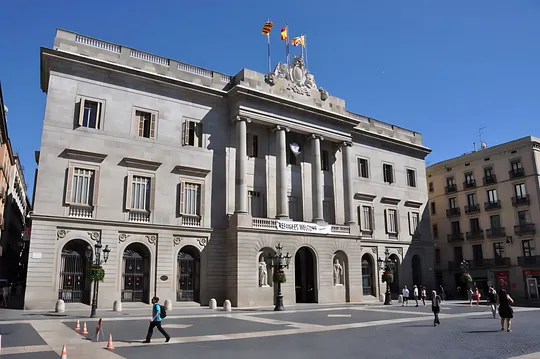
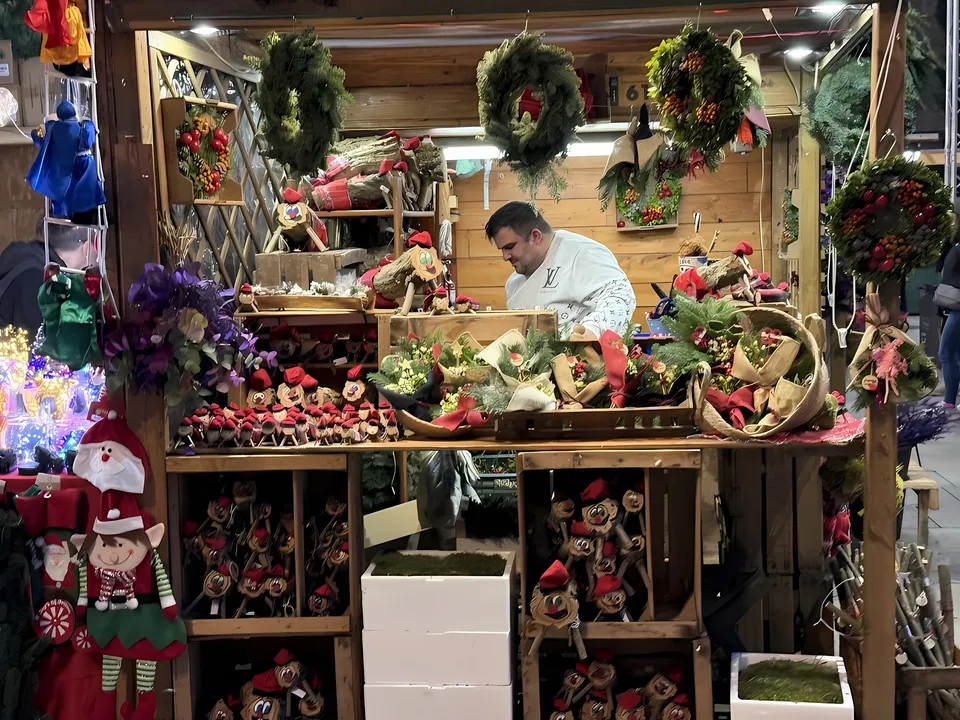
A pilot project at Mercat de la Marina in Sants-Montjuïc will feature Christmas drawings by 97 students from four local schools projected onto the market’s façade. The giant ‘galet’ pasta light installation by Ramon Bigas will return, appearing in 13 markets and Plaça de Sant Miquel. All lighting uses energy-efficient LED technology, and switch-on times have been coordinated with residents to minimise disruption. The programme also strengthens activities in neighbourhood community centres, with workshops and events aimed at supporting elderly residents during the holiday period. Traditional festivities such as the Fira de Santa Llúcia, the Tió, and Nativity scenes in Plaça Sant Jaume will run alongside contemporary concerts and children’s workshops. The city’s mild winter climate allows outdoor celebrations to thrive in public squares, parks, and commercial streets. Residents and visitors can expect a decentralised festival experience, with over 100 free performances, street art events, and illuminated markets accessible across the city. More information on the full programme is available via the Barcelona City Council’s official Christmas lights page.
Sources: Ajuntament de Barcelona.