

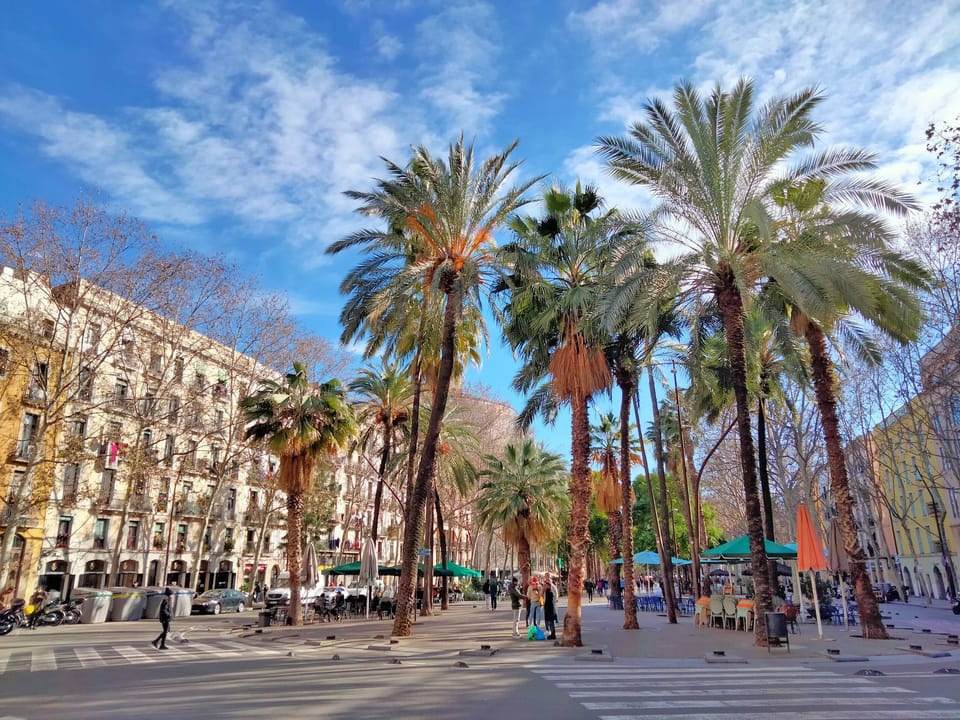
The City Council of Barcelona is moving forward with a targeted urban renewal initiative to revive deteriorating interior passages in the Raval, beginning with the Bernardí Martorell passage. The project, part of a broader strategy to combat economic decline and social fragmentation, follows years of speculative ownership and abandonment that left many ground-floor units vacant and infrastructure crumbling.
Maria Marimón, 74, has lived in the Bernardí Martorell passage since birth. She recalls a time when the passage bustled with local shops and community life. "We had everything, a chemist, a lamp shop, wine cellars, a furniture store," she said. "Now we don’t even know each other anymore." The passage, located between Carrer de l'Hospital and Rambla del Raval, contains around 60 flats and 15 ground-floor businesses. Ownership fragmentation after the deaths of two sisters who once managed the block led to rapid decline, with absentee investors selling off units and landlords attempting evictions.
At El Cafetín, one of the few remaining businesses, owner Toni Fragoso, who has worked there over 40 years, blames the collapse on private equity firm Blackstone and speculative ownership. "The decline seems to be spreading," he said, noting the recent closure of nearby bar Casa Leopoldo.
Restoration with Community Partnership
The Ciutat Vella district has now entered advanced talks with the Bernardí Martorell residents' association. Residents initiated contact with the City Council, and more owners are now willing to participate in restoration. A preliminary municipal agreement is in place, and the district confirms that, unlike in other passages, there are no entrenched drug dens here.
"If we all work together, it could turn out very well," said a community representative. The plan includes repairing sinkholes, already underway, followed by a full renewal of the sewage system and pavement. These projects will require a year of administrative procedures.
"The idea is to promote economic and community uses of interest to citizens in the district."
Barcelona Activa, the city’s economic development agency, will support the revival of ground-floor businesses. Under the "Officially Protected Ground-Floor Premises" programme, municipally owned vacant units are being made available to local commerce and sustainable economic activities. The initiative aims to combat gentrification and economic monoculture, as outlined in the Ciutat Vella Economic Development Plan (EDP).
- The programme prioritises areas such as care services, community interventions, local commerce, responsible consumption, cultural projects, small urban production, and the circular economy.
- So far, over seventy people in El Raval and other vulnerable neighbourhoods have received training in sewing, cooking, digital communication, and cleaning.
- A city-wide call with a budget of €10 million includes a dedicated allocation of €6 million for Ciutat Vella.
Future Uses and Broader Strategy
The city also plans to acquire and repurpose abandoned warehouses in the nearby Sant Climent passage, where neglect led to entrenched drug use. Owners have expressed willingness to hand over the properties for demolition and redevelopment, though the future use of the space has not yet been determined.
Other priority zones in Ciutat Vella include parts of the Gòtic, Santa Caterina, and Barceloneta, where vacant ground-floor premises are being targeted for revitalisation. Open calls will invite social, cultural, and entrepreneurial projects to occupy the spaces at below-market rents, with incentives for space rehabilitation.
The L-shaped area formed by Picalquers and Malnom streets remains at an early stage, with no concrete plans yet. However, the city’s "Amunt Persianes" strategy, which includes the purchase of 50 commercial premises to create a public portfolio of Protected Ground-Floor Units, signals a long-term commitment to reversing urban decay in the district’s most vulnerable areas.
Reported by barcelonactiva.cat, La Vanguardia Barcelona.



,_des_del_c._Hospital.jpg)