New Metropolitan System to Unify Bicing and AMBici
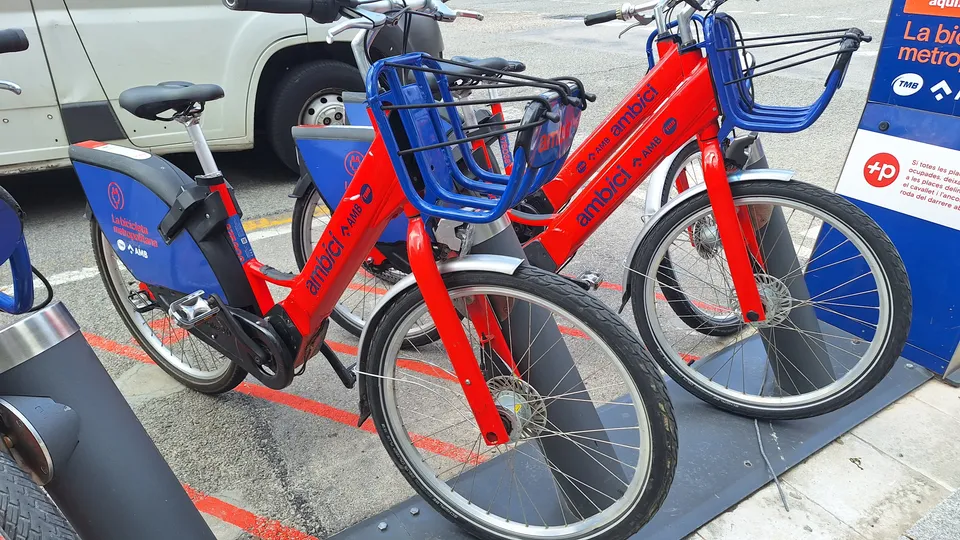
Barcelona City Council and the Barcelona Metropolitan Area (AMB) are advancing plans for a unified public bicycle system by 2029, aiming to integrate Bicing and AMBici into a single network that spans the wider metropolitan region. The move, confirmed by deputy mayor Albert Batlle during a municipal commission this week, marks a shift toward a 'metropolitan outlook' for sustainable mobility, with the goal of matching major European cycling capitals like London and Paris. The current Bicing contract in Barcelona is set to expire at the end of 2028, and preparations are already underway for the new tender. According to sources familiar with the mobility planning process, the integration of Bicing and AMBici is effectively agreed upon, pending final political approvals. This would end the current dual-operator model: Bicing, managed by Barcelona de Serveis Municipals (BSM) and operated by UTE Pedalem Barcelona, and AMBici, run by Transports Metropolitans de Barcelona (TMB) and operated by a consortium including Nextbike, Movement, and Movus.
Expansion to Vallès and Northern Baix Llobregat
The new system will extend beyond Barcelona to include municipalities in the Vallès region, Montcada i Reixac, Ripollet, Badia del Vallès, and Cerdanyola del Vallès, and the northern part of Baix Llobregat, including El Papiol, Corbera de Llobregat, Pallejà, Sant Vicenç dels Horts, and Santa Coloma de Cervelló. This expansion aligns with the Urban Mobility Metropolitan Plan approved by the AMB in April 2026. Preliminary studies are also assessing the feasibility of integrating the service into the T-Mobilitat system, which could allow seamless travel across different public transport modes. Currently, interoperability between Bicing and AMBici is limited to combined passes and transfer stations at border areas such as L'Hospitalet, Esplugues, Sant Adrià, and Santa Coloma.
Investment in Electric Bikes and Service Upgrades
Even as the long-term contract is being shaped, the city is reinforcing the existing Bicing service. Deputy mayor Batlle announced a six million euro investment to convert 3,000 mechanical bikes to electric models, add 400 reserve electric bicycles, upgrade batteries and critical components, and expand maintenance teams. This follows a budgetary plan outlined in BSM’s 2023 Annual Budget Report, which set aside 962,000 euros for upgrades to the SMOU platform used for managing city mobility services. The report also anticipated a shift toward electric bikes, aiming for a fleet of 4,000 electric and 3,122 mechanical bikes by the end of 2023.
Rising Demand and Calls for Expansion
Bicing has seen record usage in 2026, with over 17 million trips recorded so far and more than two million in October alone. The service now has over 171,000 subscribers and operates 8,000 bikes across 558 stations. On average, each bike is rented 13 times daily, rising to 16 on some weekdays. Annual projections suggest 20.5 million trips by year-end, 56% more than in 2019. ERC councillors have proposed doubling the fleet to 16,000 bikes and introducing cargo bikes and models with child seats in the new tender. Batlle did not commit, stating that contract specifications are still under development. The push for reform follows a 150,000 euro fine issued to the current Bicing operator for service deficiencies and precedes the removal of 3,500 privately operated shared bikes (from Bird, Bolt, Cooltra, Donkey Republic, Lime, RideMovi, and Voi) in January 2027 due to misuse by non-residents.
What it means for you
- When: The expansion and integration of Bicing and AMBici is planned to start in 2029.
- Where: The expansion will include municipalities in the Vallès area and the northern zone of Baix Llobregat.
Sources: El Periódico, Ajuntament de Barcelona.