Mobile Unit Completes Tour on World Stroke Day
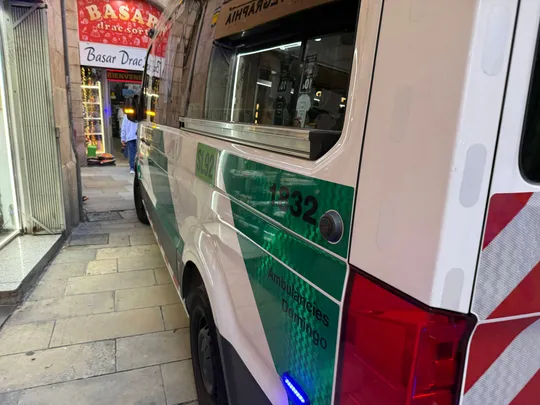
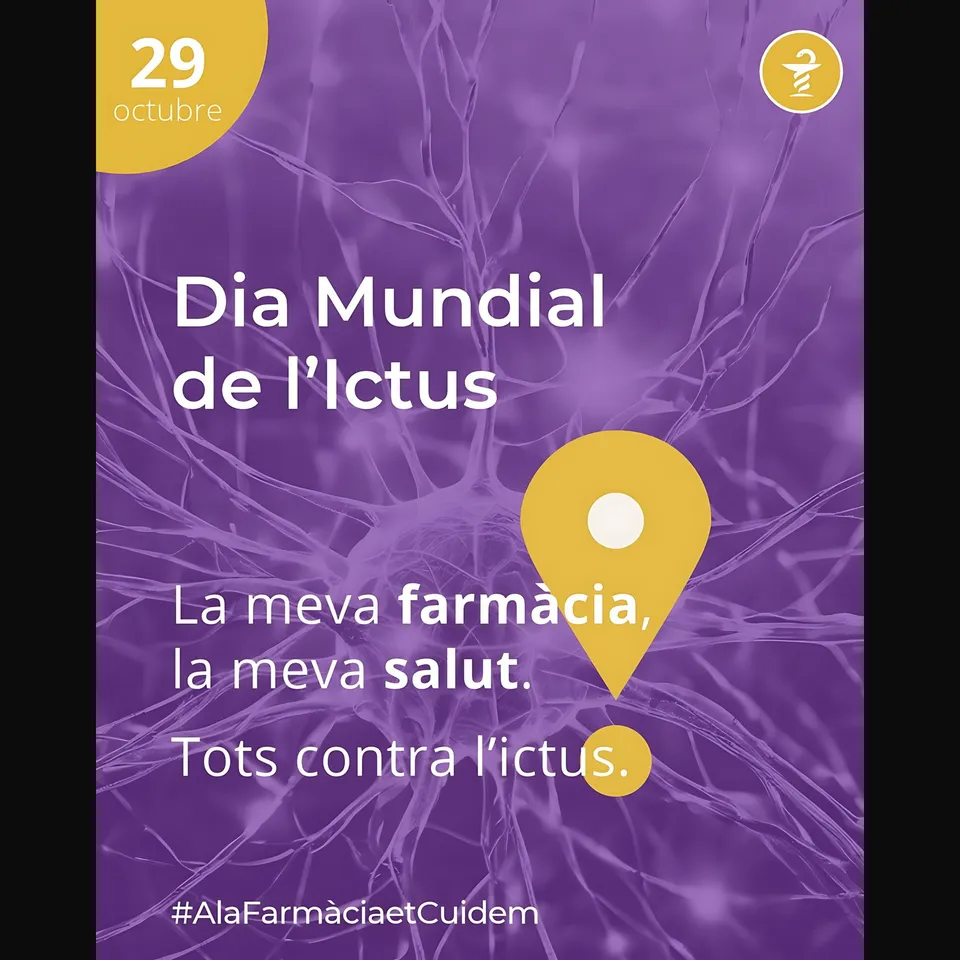
A large mobile health unit has concluded its province-wide tour today in Barcelona, marking the end of a stroke prevention campaign that reached over 600 residents and performed more than 2,500 medical tests. The initiative, titled “My Pharmacy, My Health. All Against Stroke,” ended on Thursday 29th October, coinciding with World Stroke Day. The campaign, now in its second edition, visited Rubí, Cerdanyola, El Prat de Llobregat, Sant Adrià de Besòs, and Barcelona in two-day stops since 22nd September. It was coordinated by the Col•legi de Farmacèutics de Barcelona (COFB), pharmaceutical company Sandoz, and the Fundació Ictus, with support from OMRON.
Integrated Care Model Detects Hidden Risks
Inside the mobile unit, a team of pharmacists, neurologists, and primary care physicians conducted a five-stage health circuit. This included blood pressure measurement, atrial fibrillation screening via ECG-enabled monitors, anthropometric assessments (weight, height, abdominal circumference), and basic blood tests for lipid profile, glucose, and glycosylated haemoglobin. A vascular risk score was calculated using the SCORE2 index, and participants received personalised medical and pharmaceutical advice. All data were recorded in FarmaServeis, the official digital platform used by pharmacies in Catalonia to document patient interventions.
- Over 600 citizens screened
- More than 2,500 tests performed
- Nearly 70 referred urgently to their CAP or reference hospital
Early Detection Key to Preventing Disability
Esther Duarte, director of the Fundació Ictus, stressed that stroke is the leading cause of death in women and second in men, as well as the main cause of disability. "It is a medical emergency that can affect us all: one in four people will suffer one during their lifetime," she said. However, 90% of strokes are preventable through early action on risk factors such as hypertension, high cholesterol, diabetes, smoking, and sedentary lifestyle. The campaign aimed to raise public awareness and empower residents to recognise early symptoms and adopt healthier habits.
We have taken a step forward in integrating the health system and in the prevention and early detection of stroke.
Jordi Casas, president of the COFB, highlighted the success of cross-sector collaboration: "Through public awareness, the promotion of healthy lifestyles, and direct coordination between pharmacists, primary care physicians, and neurologists, the campaign aims to place stroke prevention at the centre of public debate." The mobile unit worked in direct coordination with regional healthcare providers: Consorci Sanitari de Terrassa, Hospital Universitari de Bellvitge, Hospital Universitari Germans Trias i Pujol, Parc Taulí Hospital Universitari, Hospital de la Santa Creu i Sant Pau, and Hospital del Mar. In cases where abnormal parameters were detected, individuals were directly and preferentially referred to their local healthcare centre or hospital.
Sources: La Vanguardia, elfarmaceutico.es, redaccionmedica.com.