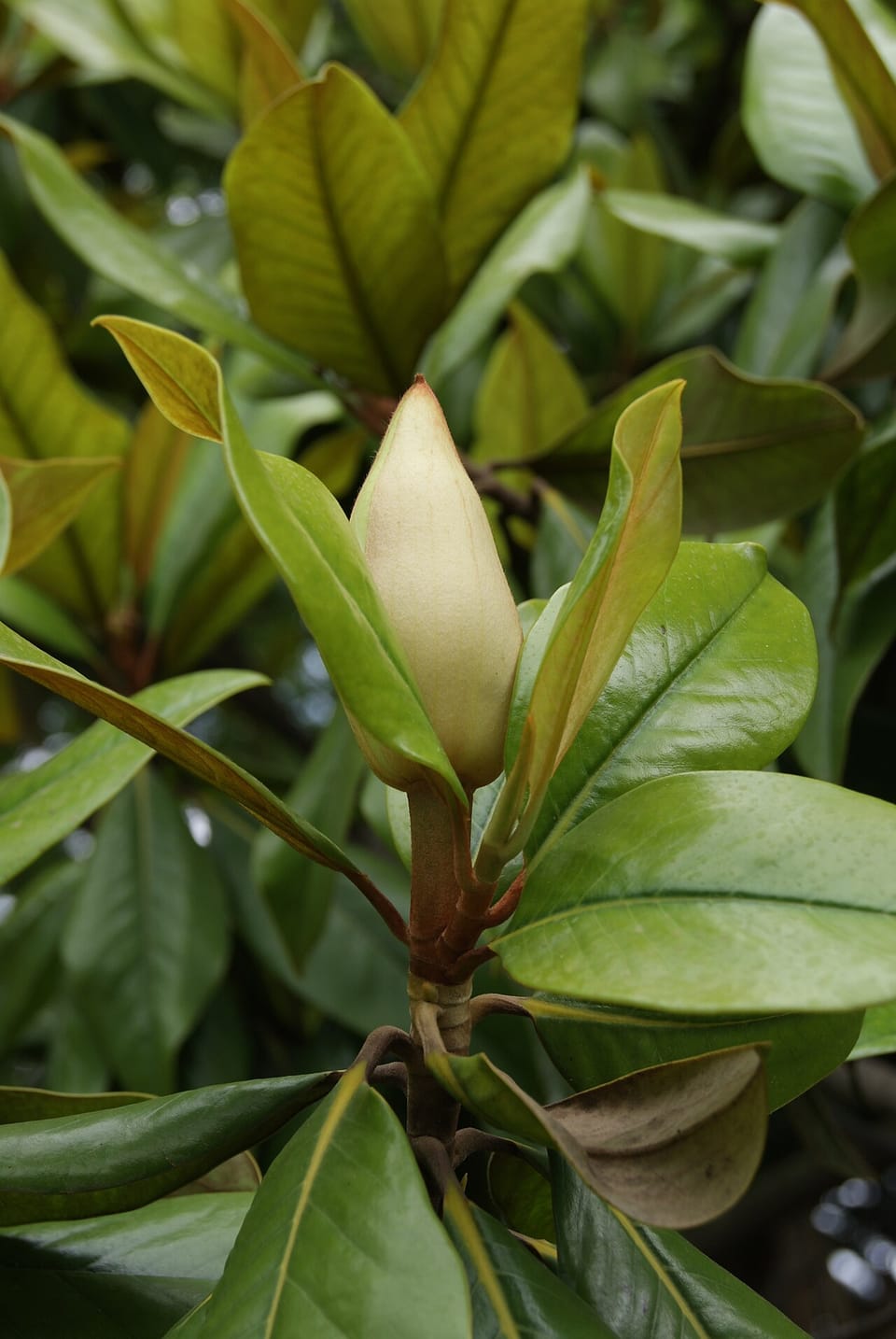
Barcelona's streets are currently transforming with the unexpected summer bloom of magnolia trees. These trees fill the air with their intense, sweet fragrance. These large, white flowers are often mistaken for spring blossoms. They are now appearing across the city's avenues and parks, surprising many residents.
The Magnolia grandiflora is an evergreen species. It is native to the southeastern United States and a common sight in Barcelona's urban landscape. Its dense, conical canopy provides year-round greenery. However, its spectacular flowers emerge during the warmer months, typically from June to August. Unlike many other flowering trees, magnolias bloom individually. This makes each large, white blossom stand out against the dark green foliage.
This timing often catches people by surprise, as many associate magnolias with spring. However, in Barcelona, their flowering period aligns with the city's hottest season. This creates a striking visual and aromatic experience. The flowers are highly aromatic, attracting pollinating insects, according to Barcelona Botanical Garden. Their scent can be noticeable from a distance on warm days.
Magnolia: A Resilient Urban Tree
Barcelona uses the Magnolia grandiflora gallisoniensis variety extensively as a street tree. Its hardiness, compact canopy, and ornamental value make it a popular choice for wide avenues, promenades, and parks. The large, thick, dark green leaves remain on the tree throughout the year. This helps to maintain a green urban feel even in winter. The species is also known for its resistance to urban conditions.
This particular magnolia variety is one of the most frequently used street trees in the city. Its elegant foliage and the size and scent of its flowers are highly appreciated. The trees often go unnoticed until they bloom. Then, for a few days, they become one of the streets' main attractions.
Where to Find Barcelona's Magnolias
According to the Atles de la biodiversitat de Barcelona (Barcelona Biodiversity Atlas), numerous magnolia trees are planted across various districts. In Sarrià-Sant Gervasi, residents can find them along Ganduxer, Calatrava, and Iradier streets. They are also present near Escoles Pies and in the Les Tres Torres neighbourhood.
Moving towards the Gràcia district, magnolias adorn areas around Plaça de Gal·la Placídia and Gran de Gràcia street. Near Plaça de Maragall, several passages also feature these trees. These include Passatge d'Aloi, Passatge d'Artemis, and Passatge de l'Ordi. Additionally, in Nou Barris, the Passeig de Valldaura is home to many magnolia specimens.
The Magnolia's Full Cycle
After the flowering period, the trees develop elongated fruits. These fruits start green and turn brown by autumn. When they open, they reveal bright red seeds. These seeds are very visible and curious, forming another part of the tree's natural cycle. The intense red colour of the seeds adds to the tree's visual appeal.
Magnolias often go unnoticed until their dramatic bloom. This transforms ordinary streets into fragrant gardens for a few weeks. This annual display offers a unique sensory experience for Barcelona's residents and visitors, highlighting the city's rich urban flora.
Come and join our Barcelona English Speakers community on WhatsApp.
Originally published by betevé. Read original article.