Silent Evictions Displace Renters Without Court Proceedings
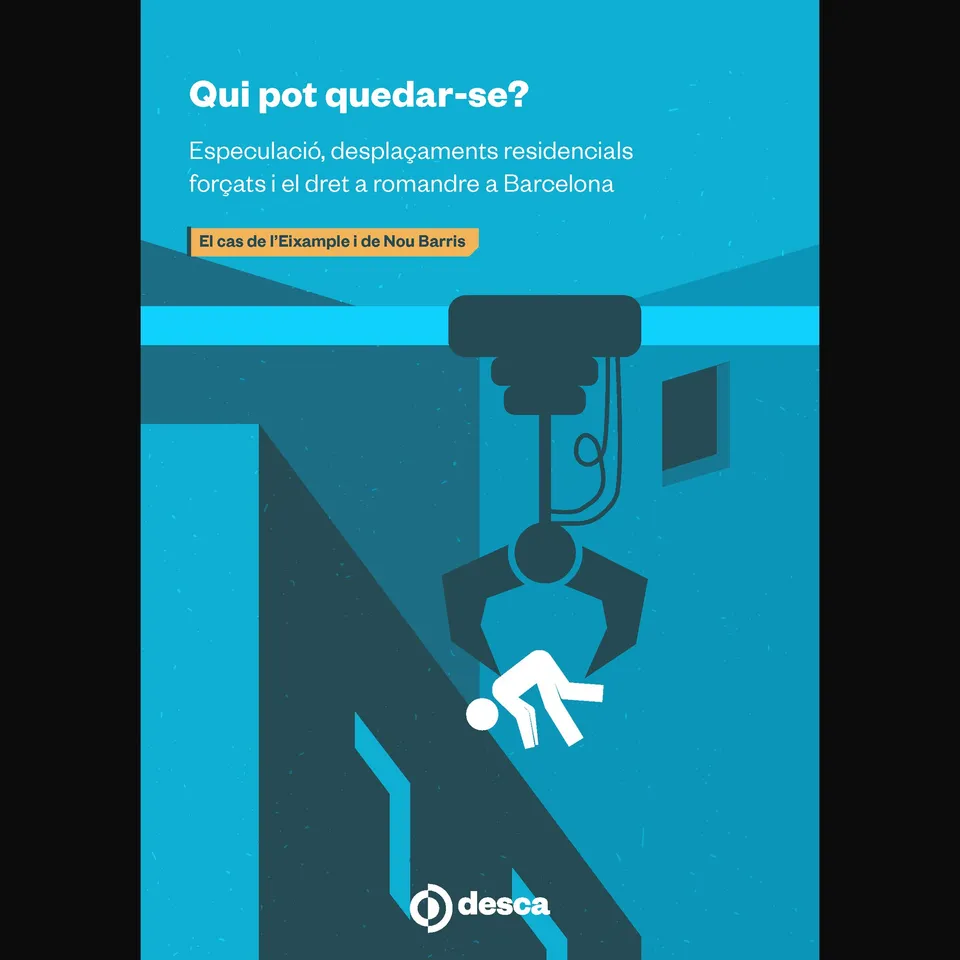
The DESCA Observatory and Architects Without Borders have published a report titled 'Qui pot quedar-se?' (Who Can Stay?), warning of a rising trend of so-called 'silent evictions' in Barcelona. These are forced residential displacements that do not go through the courts, occurring when tenants can no longer afford rent increases and are compelled to leave their neighbourhoods. The study, released on Thursday 29 October 2026, focuses on Esquerra de l’Eixample and several neighbourhoods in Nou Barris. It draws on interviews with affected individuals, community representatives, and public service professionals. Unlike formal evictions, these cases leave no legal record, making them invisible to official statistics and public awareness.
Residential Pressure and Market Imbalance
A snapshot of property listings on Idealista in July 2026 revealed 245 long-term rental adverts compared to 922 for short-term rentals in the Eixample district. DESCA states this imbalance undermines stable residency and fuels displacement. In Esquerra de l’Eixample, real estate pressure manifests through the purchase of entire buildings, such as Casa Orsola, and the expansion of temporary rentals. In contrast, in Nou Barris, the issue is compounded by greater economic vulnerability and the lasting effects of the 2008 mortgage crisis, after which many properties were acquired by financial institutions and investment funds.
Human and Social Consequences
Forced moves due to unaffordable rent often result in people moving into temporary accommodation, renting rooms, or relocating outside Barcelona. These displacements disrupt family and social networks and negatively impact the emotional well-being of children, the report states. Data from the Federation of Neighbourhood Associations of Barcelona (FAVB) indicates that between 2016 and 2024, around 180,000 people were affected by residential displacement, with approximately 75,000 rental contracts terminated without renewal.
Policy Recommendations to Protect Tenants
The report calls for urgent action from local and regional administrations to safeguard the right to remain in one’s neighbourhood. Proposed measures include:
- Prohibiting speculative housing purchases
- Recognising forced displacements as a structural indicator in urban planning
- Developing early detection systems for at-risk households
- Improving coordination between Housing, Education, and Social Services departments
According to DESCA, rising rents in both Eixample and Nou Barris exceeded 35% between 2015 and 2025. In Esquerra de l’Eixample, average monthly rents rose by €522.22 between 2013 and 2025, highlighting a deepening crisis of affordability and stability for long-term residents.
Sources: Público.