

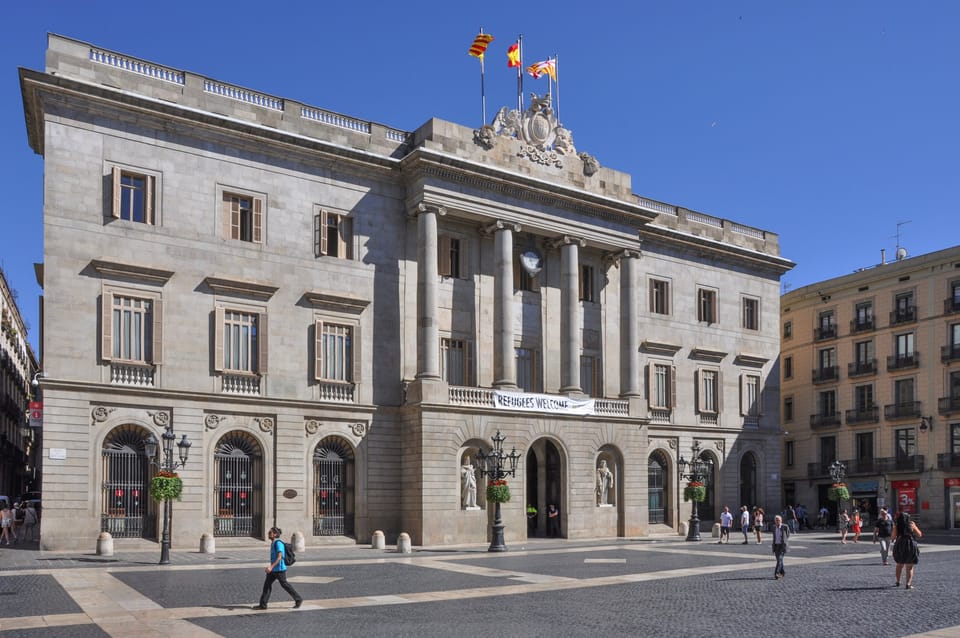
City-Led Mobility Transformation Beyond Municipal Borders
The Barcelona City Council is advancing plans to assume a "central role" in supramunicipal mobility, targeting the flow of people and goods that enter and leave the city daily. For the first time, the council aims to influence interurban transport connections beyond its municipal boundary, with a focus on reducing negative externalities and increasing public transport use. This strategic shift was confirmed in an official statement published on 30 September 2026, outlining the council’s intention to actively shape regional mobility policy in coordination with broader urban transformations taking place across the metropolitan area.
Mobility Studies Launching for Key Entry Corridors
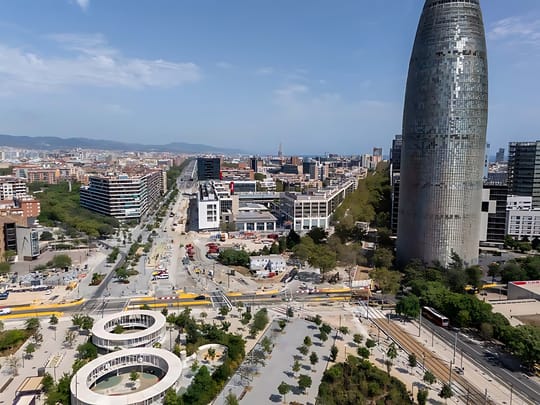
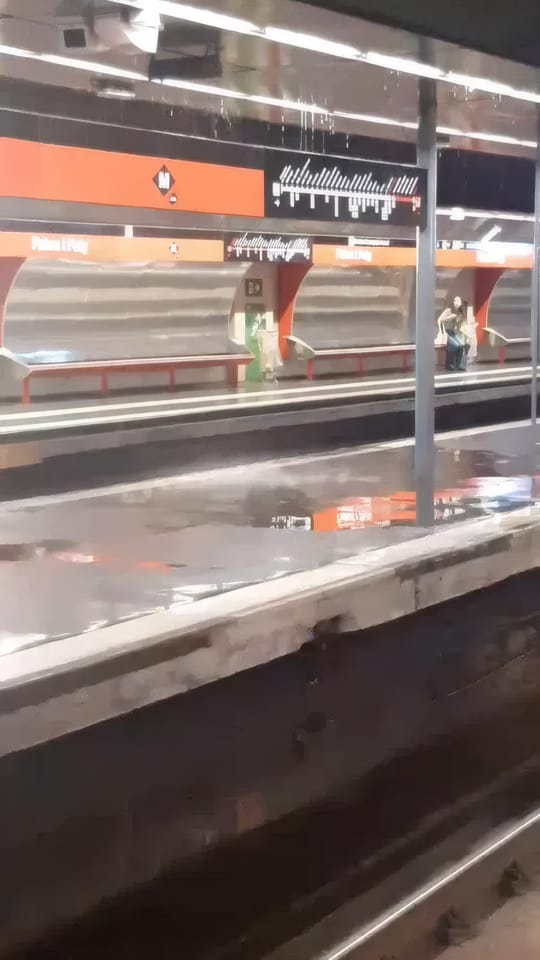
The council has begun analysing four major access corridors into the city, known as the "gates of Barcelona", through Meridiana, Diagonal, the northern Gran Via, and the southern corridor formed by Gran Via and Ronda Litoral. These studies will adopt a metropolitan and multimodal perspective, integrating all surface and underground transport models while considering urban environment impacts. The study for Avinguda Meridiana is already underway, linked to the pre-project for the avenue’s redevelopment between Fabra i Puig and the Sarajevo bridge. The council will soon launch a public tender for mobility studies covering the Diagonal and northern Gran Via gateways, as well as a joint study for the southern Gran Via and southern Ronda Litoral entrances.
The analysis will have a metropolitan and multimodal perspective, integrating all surface and suburban transport models while considering the urban environment.
Coordinated Planning with Regional Authorities
The project will draw on existing strategic municipal and metropolitan mobility plans, corridor characterisations, demographic trend analyses, and structural urban changes. Its development will be coordinated with the Generalitat de Catalunya, the Àrea Metropolitana de Barcelona, and the Autoritat del Transport Metropolità. The goal is twofold: to establish transformation criteria for key connecting avenues and to propose specific improvements in infrastructure, service delivery, and connectivity within these corridors. The findings are expected to guide future investment and policy decisions aimed at making cross-border commutes more sustainable. Residents, commuters, and logistics operators who rely on these routes will be directly affected by the resulting interventions. Final proposals will emerge from evidence-based assessments currently being developed under the council’s new proactive framework.
Primary sources: Ajuntament de Barcelona, barcelona.cat, ajuntament.barcelona.cat, Gerència de Mobilitat i Infraestructures, bcnroc.ajuntament.barcelona.cat, Barcelona City Council. Reported by metropoliabierta.elespanol.com, elpais.com, qoshe.com, beteve.cat, Metrópoli Abierta - Urban Life.



_City_Hall._Neoclassical_facade._1831-1847._Josep_Mas,_architect_(27664512650)_edited.jpg)