Security Upgrade in Sant Andreu
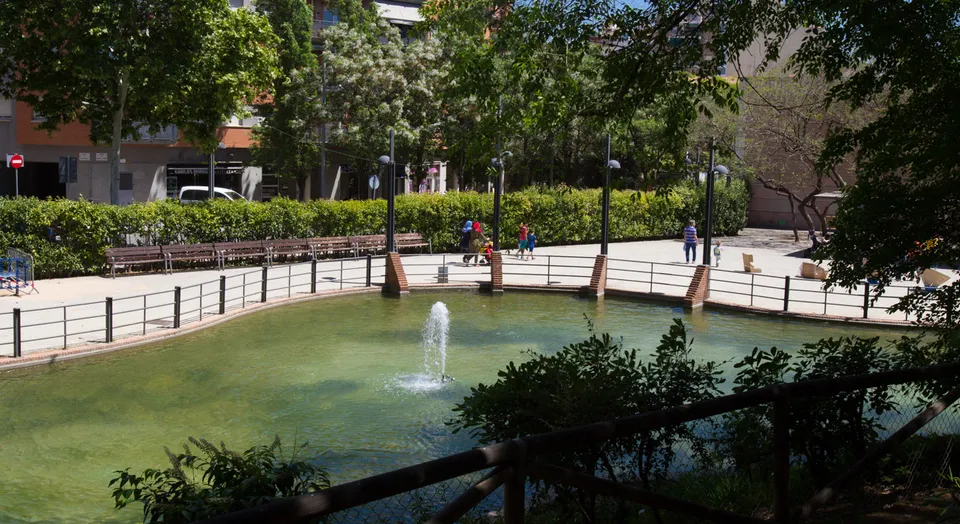
Barcelona City Council has approved the executive project to install 19 surveillance cameras in La Pegaso park, a move aimed at reducing crime in the Sant Andreu district. The project, which carries a budget of €528,674.30, was confirmed on Tuesday 27 October 2026. The installation forms part of a broader citywide Video Surveillance Plan, which will see 500 new cameras deployed across 34 locations by 2027. Once complete, the network will bring the total number of surveillance devices in public spaces to 660, up from 186 in August 2026.
Crime Prevention and Deterrence
According to the Guàrdia Urbana, the municipal police force, camera placements are determined using objective criteria such as crime analysis, vulnerability assessments, and reports of serious coexistence conflicts. The force states that the cameras serve a preventive and deterrent role, while also aiding investigations and evidence collection.
The cameras have a preventive and deterrent effect, and at the same time facilitate investigations and the collection of evidence.
Albert Batlle, Deputy Mayor for Security, confirmed in August that the plan for La Pegaso predated the July 2026 killing of 15-year-old Marlon, who died in a gang-related shooting in the park. He stressed the initiative is not a direct response to that incident.
No Facial Recognition Technology
The city has reiterated that the surveillance system does not use facial recognition or AI-based identification. All installations require authorisation from the Catalan government’s Video Surveillance Device Control Commission and must comply with principles of necessity, proportionality, and minimal intrusion into privacy. Cameras will also be installed at other high-traffic sites before the end of 2026, including nine on Passeig del Born, 11 at the Carmel bunkers, 30 at the Olympic Ring, and 30 across the Fira de Bellcaire and Fort Pienc neighbourhood. By 2027, video surveillance is expected to cover approximately 5.16% of Barcelona’s public space. Further locations, including Parc de la Guineueta and Plaça de la Universitat, have received preliminary approval and await final authorisation.
Sources: Metrópoli, Ajuntament de Barcelona.