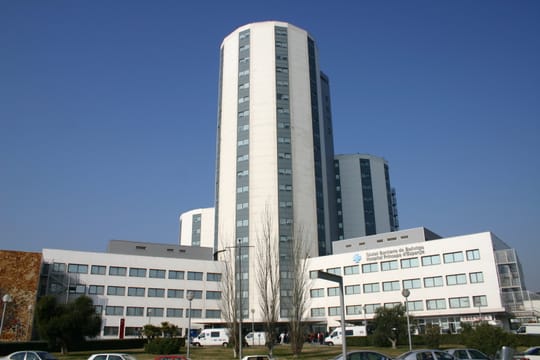
On Wednesday 21st October 2026, a new European study involving the Germans Trias i Pujol Research Institute (IGTP) in Badalona revealed that exposure to air pollution and temperature variability is associated with higher levels of glycated haemoglobin (HbA1c), a marker of average blood glucose over the past three months.
The analysis, published in the journal Environment International, examined data from 21,259 participants across nine European cohorts, including 5,464 from GCAT, a research group based at IGTP. The study focused specifically on individuals without diabetes to understand how environmental factors influence glucose metabolism before disease onset.
Key Findings on Pollution and Temperature
- Higher exposure to PM10 particulate matter was linked to increased HbA1c levels.
- Greater temperature fluctuations and warmer average temperatures also correlated with elevated blood glucose.
- Interactions between air pollution and temperature variability were observed, reinforcing the need to study environmental factors in combination.
The study did not find consistent evidence that access to green spaces mitigated these effects.
Climate Change and Public Health Implications
Researchers estimate that improving air quality could lead to measurable reductions in HbA1c levels. Notably, the benefits of reduced air pollution on blood glucose are amplified in warmer conditions, suggesting that clean air policies may become increasingly important as climate change progresses.
The same reduction in air pollution produces more beneficial effects on blood glucose levels in a warmer temperature scenario.
This synergy indicates that climate adaptation and air quality strategies should be developed in tandem, particularly in urban areas like Badalona and Barcelona, where both pollution and heat exposure are persistent concerns.
Mechanisms and Limitations
The authors suggest that inflammation and insulin resistance may be underlying mechanisms, consistent with prior scientific research. However, the study did not assess beta cell function or insulin secretion directly.
Further research is needed to determine whether reducing environmental exposures can delay or prevent the onset of type 2 diabetes, especially in vulnerable populations.
Primary sources: badalona.cat. Reported by europapress.es, Europa Press, Newsroom Infobae, diaricatalunya.cat, Europa Press Barcelona.