First in Europe using Da Vinci SP robot
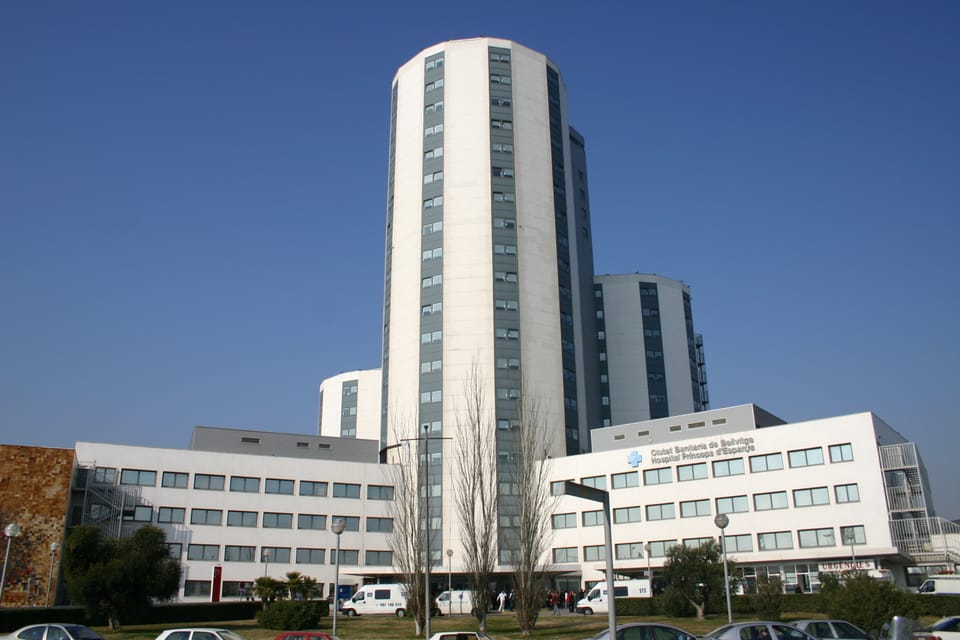
Last September, Hospital de Bellvitge in L'Hospitalet de Llobregat (Barcelona) performed the first living-donor kidney transplant in Europe using a single-port robotic system, the Da Vinci SP. This pioneering procedure, which required only one 7-centimetre abdominal incision, marks a significant advancement in minimally invasive transplant surgery. Until now, this technique had only been performed at Cleveland Clinic in the United States.
Reduced recovery time and postoperative pain
The new method significantly reduces surgical invasiveness. Previously, multiport robotic transplants required one 7cm incision for the organ and up to six additional incisions ranging from 8mm to 2cm for robotic arms and instruments. With the single-port system, all tools are introduced through the same opening, reducing trauma. Dr Óscar Buisan, Head of Urology at Bellvitge Hospital, explained that the robot’s single arm integrates micro-articulated instruments and a 3D endoscope, which separate internally once deployed. This design enables greater precision and a clearer, detailed 3D view of the surgical field.
Only one opening of about 7 centimetres in the abdomen is necessary, which reduces invasiveness and promotes faster recovery and less post-surgical pain,
, said Dr Buisan.
Patient reports near-full recovery
Silvia, a 58-year-old patient with polycystic kidney and liver disease, was the first recipient of the new technique. Diagnosed a decade ago, she avoided dialysis and received a kidney donated by her husband. Ten days after surgery, she was discharged and now reports being 95% recovered.
I thought I would have a worse time after the transplant, but I was surprised. I arrived in good physical condition and left well, with a minimal wound and hardly any discomfort,
, said Silvia.
Expertise behind the innovation
Bellvitge Hospital’s leadership in robotic surgery is well established. In July 2026, it became the first hospital in Spain to perform 300 robotic kidney transplants. It currently operates six robotic platforms and carried out 1,200 robotic interventions in 2025, with projections of 1,600 in 2026 and 2,000 in 2027. The robotic kidney transplant programme began in 2018 and now conducts around 50 living-donor transplants annually. Since Silvia’s surgery, three more successful single-port transplants have been completed. Dr Anna Manonelles, Head of Nephrology and coordinator of living-donor transplants, stressed that living-donor transplantation is the best therapeutic option for kidney disease, especially when performed before dialysis begins. Dr Francisco Vigués, former Head of Urology and pioneer of the programme, confirmed the single-port technique is not suitable for all patients but could benefit 20 to 25 of the hospital’s annual 50 living-donor cases. He affirmed that the hospital will continue exploring new applications to expand its use. The Da Vinci SP platform, controlled from an intuitive console, allows 360-degree movement and enhanced surgical control, making it particularly valuable for delicate vascular structures in living-donor organs.
Reported by larazon.es, Europa Press, ultimahora.es, bellvitgehospital.cat, null Redacción El Llobregat, La Razón Cataluña, apdnoticies.com, lavanguardia.com, russpain.com.