Surge in Enrolments Despite Inclusive Policies
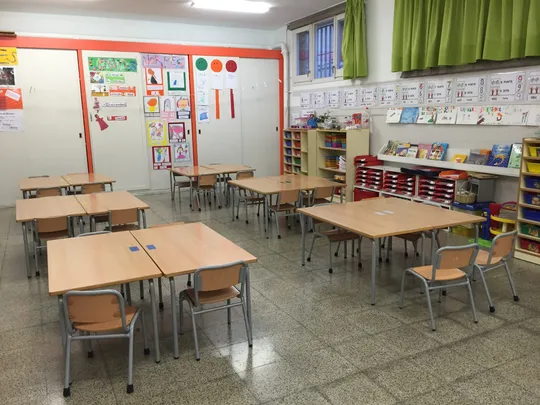
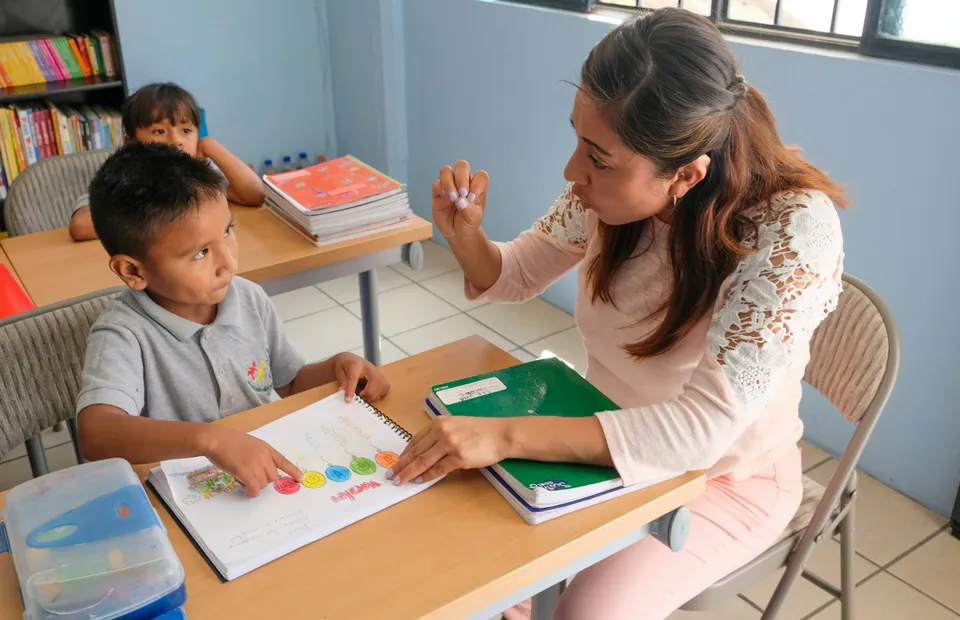
Student numbers in special education centres across Catalonia have increased by 32% since the 2017 inclusive education decree, rising from 6,839 pupils to 9,030 in the last academic year, according to data from Idescat and the Department of Education. This rise has occurred even as official policy aims to reduce segregation by supporting children with special educational needs in mainstream schools. The inclusive decree, approved in 2017, established that special education centres should be used only exceptionally, when students require high-intensity support. However, parents and educators say mainstream schools lack the resources to meet complex needs, forcing many families to seek placements in special education centres despite initial preferences for inclusive settings.
Families Face Long Battles for Access
Noemí Blazquez, mother of a seven-year-old boy with level 3 autism, ADHD, and epilepsy, described a difficult journey through private and mainstream schools before securing a place in a special education centre. She recounted how her son was initially rejected from a private school and later struggled in a public school with a SIEI (Intensive Support for Inclusive Schooling) placement. Although staff were supportive, they acknowledged they lacked the therapeutic resources to meet his needs.
They could give him all the love in the world, but they did not have the resources to help him.
Blazquez said gaining access to a special education centre involved multiple meetings and the preparation of a legal challenge, which was ultimately not filed. She now helps other families navigate the process, noting that not all have the time, knowledge, or resources to do so.
Government Response and Regional Gaps
In response to rising demand, the Department of Education has added 175 new mandatory special education places this academic year, at a cost of €6.3 million. The government stresses that schooling decisions are based on individual student needs, not model preference. A new single telematic application process has been launched to streamline enrolment. However, families still face challenges due to geographical disparities, some regions have no special education centres at all. Data from Idescat shows that areas including Alt Urgell, Alta Ribagorça, and Aran have no public or subsidised special education centres, leaving families to travel long distances or remain in unsuitable mainstream settings.
Elena Martínez, a pedagogue from the Autism Catalonia Federation, said some children could thrive in mainstream schools if adequate support were available. But without speech therapists, psychologists, or psychotherapists on site, many families feel they have no choice but to move to special education. The AFFAC federation of public school families also raised concerns, noting that while overall student numbers are falling, enrolment in special education has risen, suggesting systemic gaps in support provision. They warned that the burden of securing diagnoses and navigating bureaucracy falls unequally on families, with those less equipped often left behind.
Sources: Ara, idescat.cat.