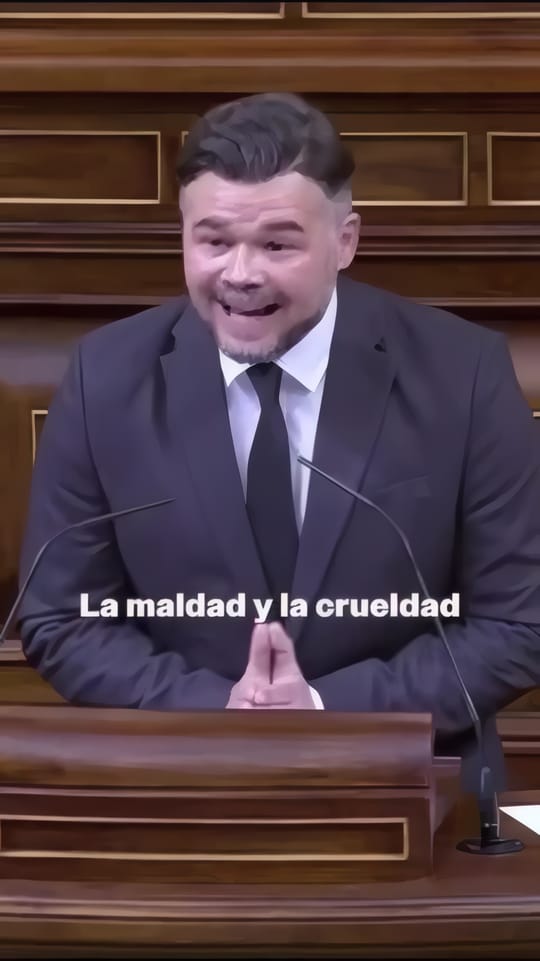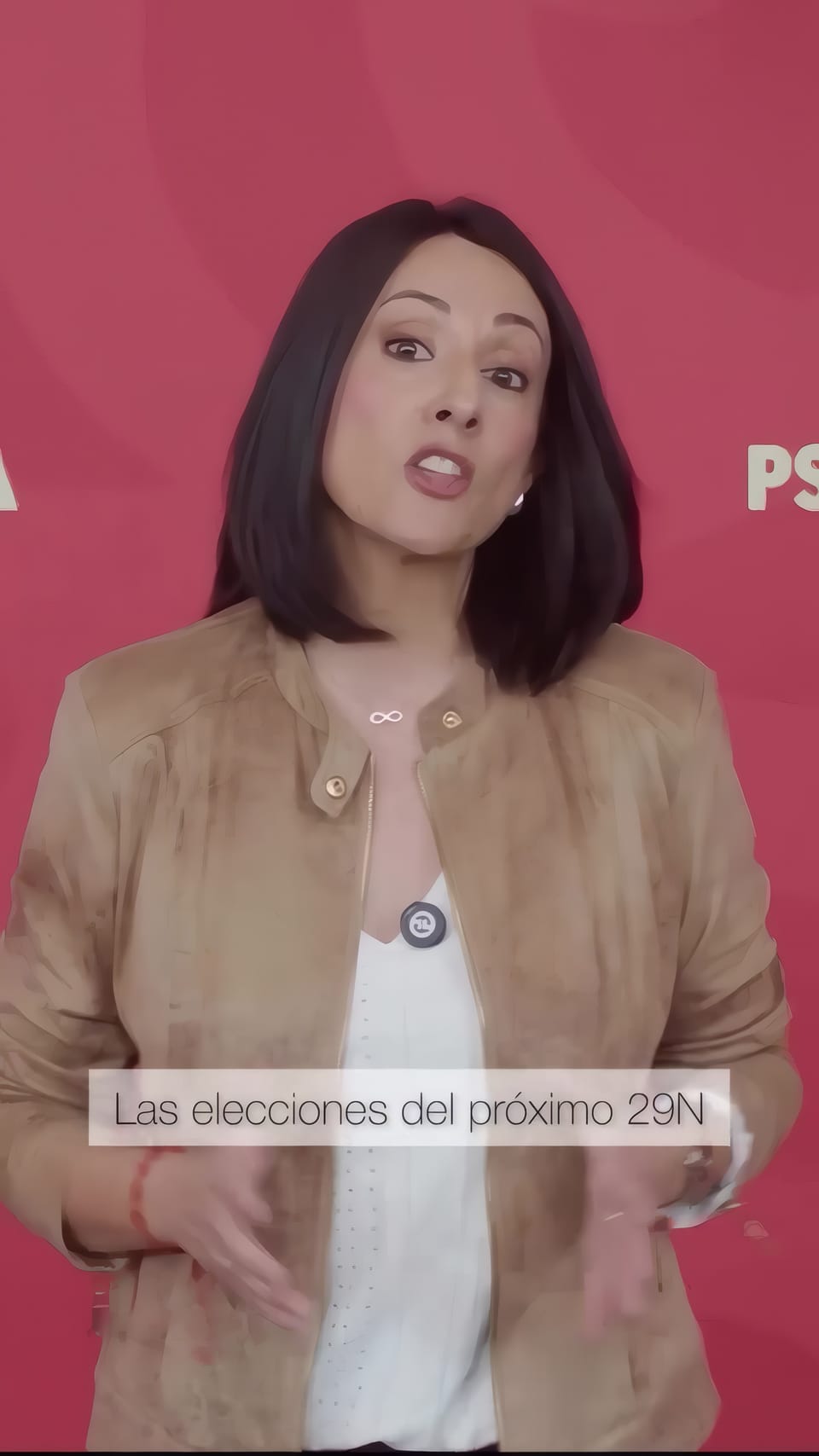
Video: @rebeca_torro, @psoe / IG
The PSOE and six left-wing parties have agreed to run joint Senate candidacies in Spain’s general election on 29 November, aiming to challenge the Partido Popular’s absolute majority in the upper house. The agreement will not apply in Catalonia, meaning Catalan voters will not see the joint Senado de Progreso ticket on their Senate ballot.
The coalition was finalised late on Friday 16 October and has been registered in 40 provinces, according to reporting by El Nacional. Its stated purpose is to combine votes from left-wing parties in constituencies where separate candidacies have previously reduced their chances of winning Senate seats.
The PSOE, Esquerra Unida, Movimiento Sumar, Compromís, Més Madrid, Chunta Aragonesista and Batzarre are part of the agreement. The PSOE has also reached an arrangement with Més and other left-wing groups in the Balearic Islands, while a joint candidacy has been agreed with all progressive parties on La Gomera.
The deal does not cover Catalonia or the rest of the Canary Islands. Podemos has not joined the coalition, although it may still put forward candidates if the other parties accept them.
Alliance targets the Senate’s voting system
Spain’s Senate election system strongly favours the largest candidacies. In most provinces, four directly elected seats are contested, with the leading party commonly winning three seats and the runner-up one.
- In the 2023 general election, the PP won 120 directly elected senators with 34.7% of the vote.
- The PSOE won 72 directly elected senators with 32.5% of the vote.
- Sumar received 11% of votes but won no directly elected Senate seats.
PSOE calculations indicate that a united candidacy could make a difference of up to 40 seats compared with left-wing parties standing separately. Those figures are projections rather than election results.
The platform Senadoras y Senadores por la Democracia, which campaigned for a common progressive ticket, has estimated that a PSOE-led alliance could win 112 senators, while the PP could fall to 84. The platform’s estimate concerns the make-up of the Senate after the election, not the current chamber.
Housing among issues cited by campaign group
For residents in Catalonia, the immediate electoral consequence is that the agreement will not change the Senate candidacies available to them. The potential change is concentrated in the 40 provinces where the coalition will run, and depends on its candidates being registered and elected on 29 November.
The Senate reviews and votes on national legislation. Senadoras y Senadores por la Democracia said it wants the chamber to focus on improving laws, strengthening links between territories and addressing matters including access to housing.
“This agreement is born from civil society.”Senadoras y Senadores por la Democracia
PSOE Organisation Secretary Rebeca Torró and Communist Party General Secretary Enrique Santiago played prominent roles in negotiations, which continued until shortly before the coalition-registration deadline of 23:59 on Friday 16 October, El Nacional reported.
The parties must now settle their candidate lists, which are due to be submitted between 21 and 26 October. The PSOE initially intends to take two of the first three places on joint lists in constituencies covered by the pact.
Reported by elnacional.cat, El Nacional.