AI Modifications Affect Thousands of Listings
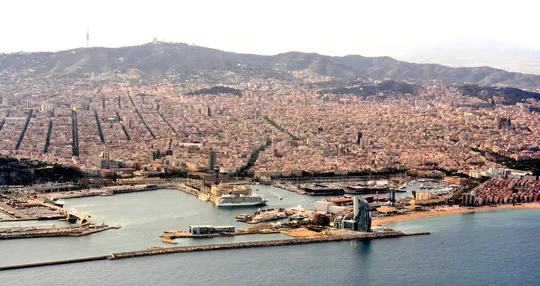
One in every 16 property listings in Barcelona contains at least one photograph altered using artificial intelligence, according to a study by the platform Coraly, accessed by Metrópoli. The analysis reviewed 182,503 images from 19,577 listings on Fotocasa, Habitaclia, idealista, Pisos.com, and jaencontre, identifying 1,227 listings with signs of AI manipulation. Barcelona’s rate of 6.27% is below the national Spanish average of 9.2%, where image alteration is more prevalent. However, within the property sales market specifically, the incidence in Barcelona rises to one in every 13 listings.
Higher Prevalence in Sales vs. Rentals
Sales listings show significantly more AI retouching than rentals. Among the platforms analysed, Habitaclia recorded the highest proportion of manipulated listings at 10.04%, followed by Fotocasa (9.91%), idealista (8.69%), and Pisos.com (5.62%). The portal jaencontre had the lowest rate, at 3.53%. Fouad Bekkar, founder of Coraly, stated: "Property sales deserve their own line of control. The higher volume of presentation changes and virtual home staging justifies specific thresholds and review queues." In rental listings, the figure drops to 2.77%, equivalent to one in every 36 listings.
Most Common Types of AI Retouching
Four main categories of digital alteration were identified. Colour enhancement was the most frequent, accounting for 56.3% of modifications. This can distort surface finishes, the perceived condition of the property, and the overall atmosphere of the space. Sky replacement was second, affecting 29% of manipulated images. This technique can misrepresent natural light conditions and external surroundings. Virtual home staging, used in 21.3% of altered photos, digitally furnishes empty rooms or simulates renovations, creating an impression of space and style that does not exist. Object removal, used in 5.6% of cases, erases unwanted features such as bins or clutter to improve the scene. A single photograph may contain multiple types of edits. Bekkar warned that these changes demand priority human review: "These modifications deserve priority human review because they can alter what exists, what remains, and what a person expects to find during a viewing." Exteriors and gardens were the most frequently altered areas, particularly skies, vegetation, swimming pools, and plot boundaries.
Legal and Ethical Concerns
Although no specific regulations govern the use of AI in real estate advertising in Spain, both Catalan and national legislation require that property ads adhere to truthfulness, omit no essential information, and avoid misleading content that could affect consumers economically. Currently, there is no standardised system for declaring alterations, applying visible labels, preserving original images, or maintaining a record of edits across platforms. Bekkar advocates for greater transparency: "It is not about eliminating legitimate uses of editing. It is about clearly distinguishing between the photographed property, a presentation proposal, and a significantly modified image." Recommended measures include declaring all changes, specifying which elements were altered, and linking each edited photo to its original version to safeguard buyer and tenant expectations.
Sources: Metrópoli Abierta (CA), Metrópoli, proxera.es.