Unprecedented police presence planned
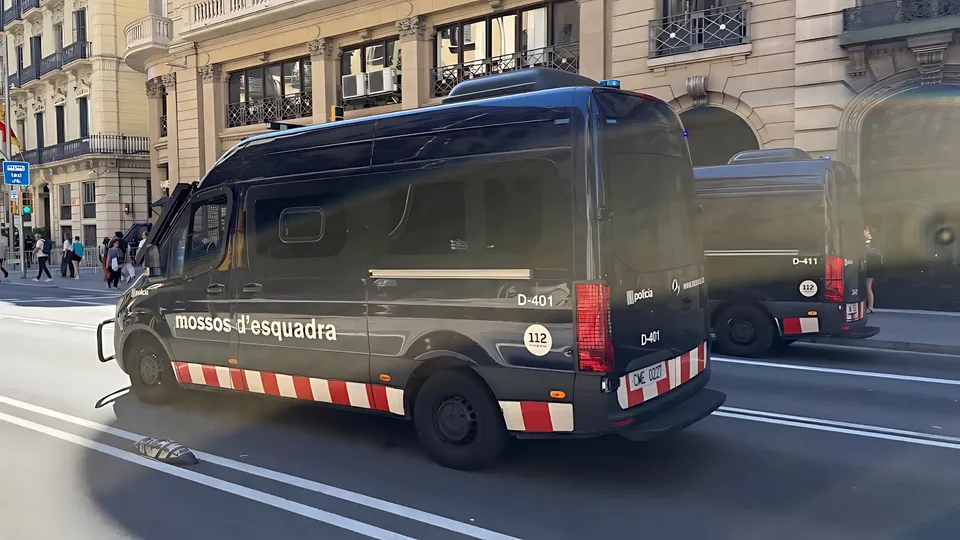
The Mossos d'Esquadra (Catalan police force) will deploy 9,000 officers on Wednesday 11th November for the general strike, a 50% increase over normal working-day staffing levels. The operation, running from 10pm on Tuesday 10th November to midnight on Thursday 12th November, involves four shifts and is designed to manage mobility, protect public order, and ensure essential services remain functional. This marks one of the largest security operations in recent months, driven by concerns over potential violence during the afternoon demonstration on Passeig de Gràcia in Barcelona, which is expected to draw at least 50,000 people. According to sources within the Mossos, intelligence assessments classify the event as level 4 out of 4 in risk, indicating a high likelihood of combative episodes such as container fires, vandalism, or clashes with police.
The situation in Europe is complicated, in Spain very complicated, and in Catalonia a bit more complicated.
Focus on hybrid threats and mobility
The operation includes reinforced units for public order, including the Brigada Mòbil and Àrees Regionals de Recursos Operatius (ARRO), as well as citizen security, mediation, traffic, and cyber units monitoring online activity. Authorities are alert to a possible hybrid strategy combining street disturbances with digital campaigns, such as false bomb threats or sabotage attempts on critical infrastructure. Special attention will be given to key transport routes including the B23, AP7, A2, C17, C58, and C25 highways, ring roads, logistics centres, industrial estates, ports, airports, and metropolitan access points. The General Mobility Commissioner’s Office, led by Commissioner Mònica Lluís, will coordinate efforts to ensure picket lines do not obstruct workers wishing to travel.
No expectation of Blocus involvement
Although the strike follows a wave of unrest linked to the Blocus protest movement, responsible for violent demonstrations on 24th October, the Mossos do not anticipate its active participation this time, citing low online activity and recent arrests of alleged organisers. However, police stress that the current climate is unlike previous strikes, describing it as reflecting broader social discontent rather than specific labour demands. Officials note that additional sectoral strikes by Renfe train drivers and meat industry workers have already caused disruptions in Garrotxa and Osona. While the encampment in Plaça de Catalunya will not be removed for now, authorities are monitoring unconfirmed protest calls that could alter plans. In extreme cases, the Mossos say they may use pepper spray, tear gas, or smoke canisters, though the latter two have not been deployed in over 15 years. Their aim remains to balance the right to strike with the right to mobility and work, ensuring interventions are targeted and proportionate.
What it means for you
- When: Wednesday 11th November, with a 32-hour service from 22:00 on Tuesday to midnight on Wednesday.
- Where: Barcelona, especially the top of Passeig de Gràcia.
Sources: El Món, Mossos d'Esquadra.