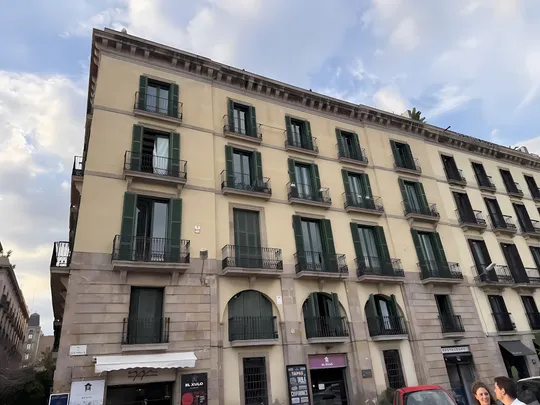
Video: @sindicatlloguer / IG
Strike to Precede 29-N Campaign Amid Political Divide
On Wednesday 11th November 2026, a general strike will halt economic activity across Spain, with major mobilisations planned in Barcelona and other cities. The action, called by major unions including CCOO and UGT alongside housing groups like the Sindicat de Llogateres, demands urgent improvements in wages and housing access. It comes less than 48 hours before political parties officially begin campaigning for the 29 November parliamentary elections, giving the strike a clear political backdrop. The unions insist the strike is of a labour nature and not a political strike, but acknowledge its potential to mobilise left-wing voters. Polls suggest the conservative PP and far-right Vox are on course to win government, a prospect that has galvanised union support for progressive causes. Representatives from CCOO and UGT confirmed they will encourage progressive voting during strike events, citing left-wing parties’ efforts to advance housing and labour reforms during the current legislature.
Partisan Responses Reflect Political Fault Lines
The political response to the strike follows a clear left-right divide. On 3rd November, the Board of Spokespersons at the Parlament de Catalunya approved an institutional declaration supporting the strike, promoted by PSC-Units, ERC, Comuns and CUP, all of whom voted in favour. Junts, PP and Vox opposed the motion, while Aliança Catalana abstained, preventing it from being read in plenary due to lack of a two-thirds majority. The declaration supports the "legitimate demands" of the strike, calling on both the Spanish and Catalan governments to end housing speculation and expand public housing. It urges employers to unblock collective bargaining to increase wages, reduce working hours and eliminate precarious work. It also calls on the Generalitat to limit minimum services during the strike to strictly essential sectors.
We must listen to the signals sent by the citizens. The economy is functioning but is not being redistributed well.
Salvador Illa, President of the Generalitat, said he "understands" the strike but will not participate as head of government. He denied any pressure from his administration on workers to join the action. ERC president Oriol Junqueras, however, confirmed he will take part, calling the strike "timely, necessary, and essential" for defending the right to housing. Lluc Salellas, mayor of Girona, and Guanyem councillors will also strike and donate their salaries to a resistance fund. By contrast, Badalona mayor and PP candidate Xavier Garcia Albiol issued an internal directive affirming workers’ right to strike while ensuring non-strikers can access their workplaces without pressure. He stated he does not support the stoppage and emphasised his duty to maintain institutional functioning.
What to Expect on 11 November
The work stoppage begins at midnight, affecting night shifts and aiming to bring economic activity to a standstill. Unions want the next central government to recognise the power of the working class. Demands include a reduction of the working week to 35 hours, a rise in the minimum wage (SMI) to €1,500, and salary indexation to inflation. On housing, organisers call for lower rents, a ban on speculative purchases, indefinite rental contracts, and a halt to evictions without alternative housing. Barcelona will host two major demonstrations. At 17:00, an alternative march begins at Plaça de Jacint Verdaguer, promoted by socialist housing groups. At 17:30, the official union-backed demonstration starts at Jardinets de Gràcia, supported by CCOO, UGT and the Sindicat de Llogateres. Though separate, both share the same core demands.
Sources: Nació Digital, Newsroom Infobae (EFE).